
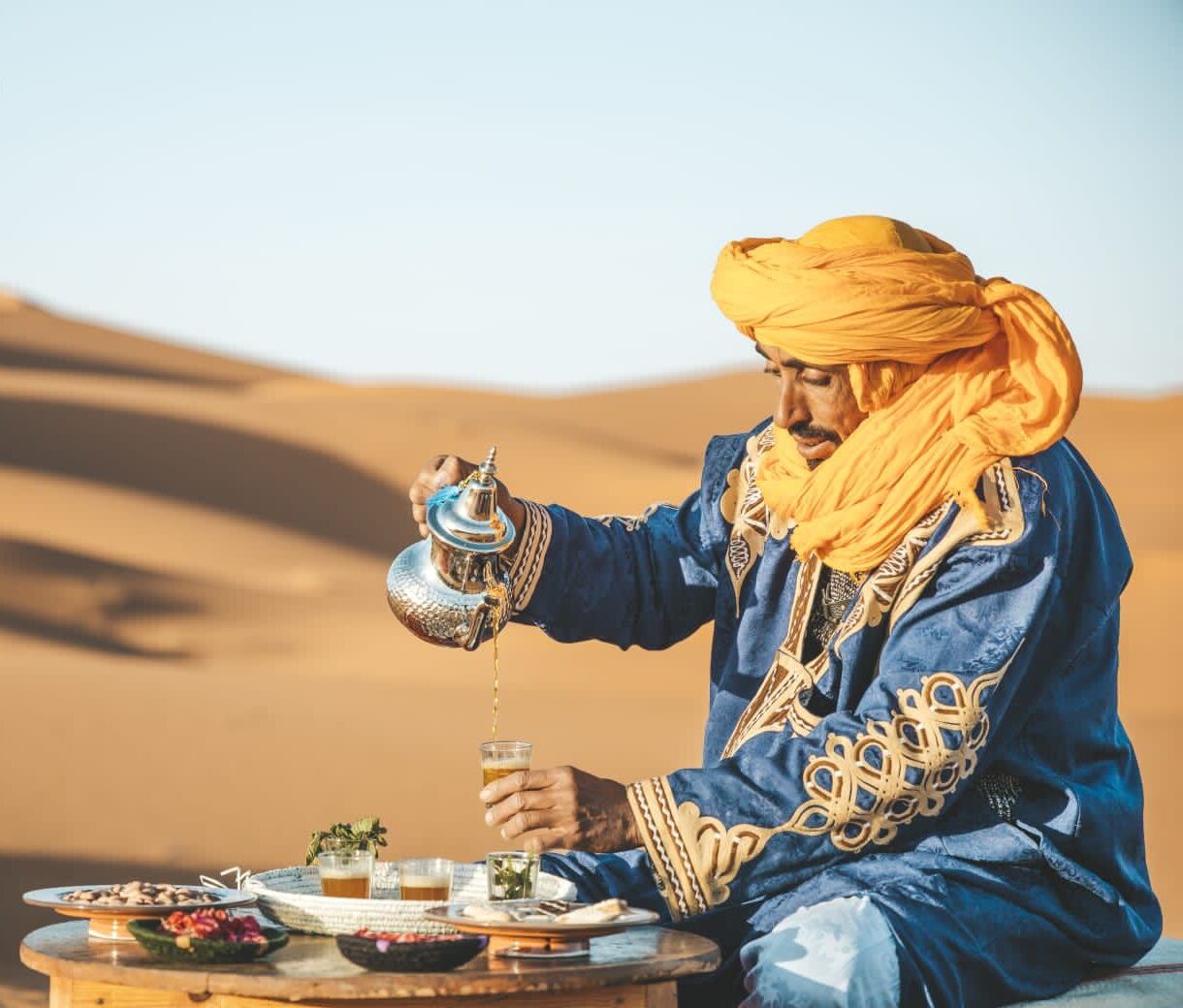
Merzouga 3-Day Desert Camp Tour: The Complete Itinerary Guide
Planning a desert adventure in Morocco? A 3-day Merzouga camp excursion is the perfect sweet spot—long enough to truly immerse yourself in the Sahara's magic, yet short enough to fit into most travel itineraries. Whether you're traveling solo, with family, or as a couple, this comprehensive guide will walk you through exactly what to expect, what to pack, and how to make the most of your time in one of North Africa's most stunning landscapes.
The Merzouga desert, home to the towering sand dunes of Erg Chebbi, draws travelers from around the world seeking authentic desert experiences. At Original Desert Camp, we've guided thousands of visitors through transformative desert journeys. Let me share everything you need to know to plan your perfect 3-day Merzouga desert camp tour.
Why Choose a 3-Day Merzouga Desert Experience?
Before diving into the itinerary, let's talk about why three days is such a magical duration for desert camping.
The Perfect Balance
A 3-day Merzouga camp tour gives you enough time to:
- Acclimate to the desert environment
- Experience both sunrise and sunset over the dunes
- Participate in authentic Berber cultural experiences
- Explore different areas of Erg Chebbi without rushing
- Recover from camel trekking (trust me, your legs will thank you)
Many travelers attempt 1-day or 2-day tours, only to find themselves exhausted and wishing they'd had more time to savor the experience. Conversely, trips longer than four days often become repetitive unless you're undertaking serious trekking expeditions.
What Makes Merzouga Special
Merzouga is Morocco's gateway to the Sahara Desert and home to Erg Chebbi, a sea of golden sand dunes that can reach heights of 150 meters. Unlike the rocky, hamada terrain found in other parts of the Sahara, Merzouga offers the dramatic, picturesque dunes that define desert imagery. The village itself is a traditional Berber settlement where you can experience authentic Moroccan culture in its purest form.
Day 1: Arrival and Introduction to the Desert
Your three-day Merzouga camp excursion typically begins in the morning from either Fez or Meknes, with most tours covering the 4-5 hour drive across the Middle Atlas Mountains. This first day sets the tone for your entire experience.
Morning Departure
Tours usually depart around 7-8 AM from major cities. The drive takes you through Morocco's diverse landscapes: rolling farmland, cedar forests, and gradually transitioning into semi-arid terrain. Your guide will provide commentary about the regions you're passing through, pointing out Berber villages and explaining local customs.
Afternoon Stops and Activities
En route to Merzouga, most tours include stops at:
Ifrane - Often called the "Switzerland of Morocco," this charming mountain town sits at 1,650 meters elevation. Here, you'll find relief from the heat and perhaps time for lunch and a short walk through the cedar forests nearby.
Midelt - A historic town known for handicrafts and traditional Berber culture. Some tours pause here to browse local markets where you can purchase authentic Moroccan crafts.
Erfoud and Erfsoud - These towns are famous for fossilized remains and marble. Many camp excursions include a quick stop at local fossil shops, where you can purchase genuine paleontological specimens.
By late afternoon (typically around 4-5 PM), you'll arrive in Merzouga village. At Original Desert Camp, we ensure guests have time to settle in, freshen up, and acclimate before evening activities begin.
First Evening at Camp
Your Merzouga desert camp tour continues with an orientation to camp facilities. This is where you'll meet the camp team—your camel handlers, cooks, and guides who'll become your friends over the next three days.
Camel trekking begins immediately. After a light snack and water, you'll be introduced to your camel and shown how to mount and sit properly. The initial trek typically lasts 1.5-2 hours, taking you into the dunes as the afternoon light becomes magical golden hour.
This first camel ride is special because you're fresher, and the novelty makes it easier to enjoy the experience despite any initial discomfort. As you ride deeper into the dunes, the village of Merzouga gradually disappears behind you, and you realize you've entered another world entirely.
Sunset and Evening Meal
The evening trek culminates at your desert camp, positioned perfectly to capture the sunset. Nothing—and I mean nothing—compares to watching the sun descend behind endless dunes while sitting atop a camel. The sky transforms through shades of orange, pink, and purple as the temperature begins to drop.
After sunset, you'll enjoy dinner around the traditional Berber fire. The cook prepares authentic Moroccan cuisine: often a tagine (slow-cooked stew) with bread, couscous, or pastilla (phyllo pastry filled with meat). Vegetarian options are always available if requested in advance.
Stargazing is the final activity of your first evening. Far from light pollution, the Sahara's night sky is spectacular. On clear nights, the Milky Way is visible in stunning detail. Your guide might point out constellations while sharing Berber folklore and stories.
Day 2: Full Immersion in Sahara Experiences
Day two is the heart of your Merzouga camp tour experience, offering the most comprehensive and immersive activities.
Pre-Dawn Wake-Up
Yes, it's early. Yes, it's worth it.
Most camps wake guests around 5 AM for the sunrise trek. This early start allows you to reach prime dune positions just as the sun emerges on the horizon. The experience of watching shadows retreat across the dunes, revealing their contours in gradually increasing light, is profoundly moving for most travelers.
The pre-sunrise trek also showces desert wildlife. You might spot desert foxes, jerboas (small jumping rodents), or if you're fortunate, a desert eagle. Your guide knows where these creatures are most likely to appear.
Sunrise and Return to Camp
By 7-7:30 AM, you'll return to camp for breakfast. The morning meal at Original Desert Camp features:
- Fresh bread or pastries
- Local honey and jam
- Fresh fruit (dates, oranges, or melons depending on season)
- Mint tea or coffee
- Eggs prepared to order
Breakfast tastes infinitely better when you've already been awake long enough to feel genuinely hungry.
Daytime Cultural Experiences
After breakfast and a rest period (usually 9 AM-12 PM), day two includes cultural activities that transform your understanding of Berber life.
Village visits bring you to nearby Berber settlements where you'll meet locals, learn about traditional construction methods (often using clay brick and straw), and understand how people live in harmony with the desert's harsh environment. Families often welcome visitors warmly, though always be respectful of privacy and ask permission before photographing.
Berber cooking classes are offered at many camps. You'll participate in preparing a traditional meal—grinding grain, preparing vegetables, and cooking bread in a traditional tandoor oven. By lunchtime, you'll have created an authentic Merzouga meal and eaten your own creation.
Handicraft demonstrations show you traditional methods for creating carpets, leather goods, and textiles. Many camps allow you to purchase directly from artisans, ensuring your money supports the community rather than middlemen.
Afternoon Activities and Rest
The hottest part of the day (typically 1-4 PM) is when most camps offer rest time, though some Merzouga camp excursions include:
- Visits to the town of Merzouga itself
- Trips to Lake Lakhmis (a seasonal salt lake that attracts flamingos during migration)
- Photography walks focusing on dune formations and light play
At Original Desert Camp, we encourage guests to rest during peak heat and explore with fresh energy in the late afternoon.
Second Evening Camel Trek and Activities
Around 4 PM, a second camel trekking session begins. This ride typically extends deeper into the dunes than the first, as you're now more comfortable with camel riding. Your guide might take you to different dune formations—towering sand mountains, curved swales, and flat plains where you can see for miles.
Some camps offer optional sandboarding or desert activities during this time. If you're comfortable with it, try sliding down dunes—it's exhilarating and feels almost childlike in its joy.
Evening Entertainment and Music
The second evening often includes more extended cultural entertainment. Musicians from the camp or nearby villages might perform traditional Berber music, often featuring the oud (a stringed instrument), drums, and vocals in Tamazight (the Berber language).
This is also when many guests feel most comfortable engaging socially. After a full day in the desert, you've shed some of your tourist anxieties. Conversations flow more naturally. Questions about Berber culture, Moroccan politics, desert life, and personal stories emerge around the fire.
Dinner on night two often includes meat dishes—lamb or chicken slow-cooked with vegetables and served with bread. Some camps offer almonds, walnuts, or dates for dessert, often followed by more mint tea.
Day 3: Departure and Final Desert Magic
Your final day represents a bittersweet transition from the desert back toward civilization.
Early Morning Finale
Many guests opt for a final early-morning trek to experience the dunes one last time. This walk is often less structured than previous ones—sometimes your guide will simply let you wander, pausing at scenic spots for photographs or quiet reflection.
The third morning often feels different emotionally. The novelty has worn off, but appreciation has deepened. You're noticing details: the particular shade of sand, how wind creates patterns on slopes, the warmth of the sun, the quiet.
Final Breakfast and Departure
Around 8 AM, you'll enjoy your last camp breakfast, often lingering longer than previous meals. Many travelers find themselves reluctant to leave. The camp staff typically presents you with opportunities to tip your guide, camel handlers, and crew—these individuals work incredibly hard to create your experience and rely heavily on gratuities.
Journey Back
The drive from Merzouga back to Fez or Meknes on day three follows the reverse route. Some tours extend this journey with additional stops:
Midelt - If you missed it on arrival or want to revisit, this town is worth exploring more thoroughly.
Ifrane - Many tours stop here for lunch, taking advantage of restaurants and the cooler mountain climate after desert heat.
Fez Medina - If your tour includes a Fez leg, you might spend the evening exploring the world's oldest continuously operating university and wandering the historic medina (old city).
Most 3-day Merzouga desert camp tours deposit you back in your starting city by early evening on day three.
Practical Information for Your Merzouga Camp Tour
Best Time to Visit
October-April represents the ideal season. Daytime temperatures range from 20-25°C (68-77°F), and nights are cool but not freezing.
May-September brings extreme heat—daytime temperatures can exceed 40°C (104°F). While some camps operate year-round, the intense heat makes camel trekking uncomfortable and potentially dangerous for unaccustomed travelers.
What to Pack
Essential items:
- Lightweight, long-sleeved shirt and pants (sun protection)
- Sturdy walking shoes or hiking boots
- Comfortable sandals for camp
- Sunscreen (SPF 50+)
- Sunglasses and wide-brimmed hat
- Light jacket or sweater (desert nights cool significantly)
- Toiletries and medications
- Reusable water bottle
- Camera or smartphone for photos
- Cash (limited ATMs in Merzouga)
Don't pack:
- Heavy luggage (most tours have weight limits)
- Excessive electronics
- Light fabrics that reveal too much (respectful of local culture)
Physical Fitness Requirements
Most 3-day Merzouga camp excursions require moderate fitness. While camel trekking isn't strenuous, it does involve:
- 2-3 hours daily of sitting on a camel (which uses different muscle groups)
- Some walking on uneven sand dunes
- Early morning wake-ups
People with back problems should discuss their concerns with Original Desert Camp staff before booking—we can arrange shorter trek durations or alternative activities like desert photography walks and stargazing sessions.
Children as young as 8-10 can participate, though younger children may find extended camel rides tiring. Elderly travelers are welcome; we simply customize the pace and duration to ensure comfort and enjoyment.
Booking Your Merzouga Experience
The best time to book is 2-3 months in advance, particularly for October-April when availability fills quickly. Original Desert Camp offers flexible packages ranging from overnight stays to multi-day adventures, with options for private groups, families, and solo travelers.
Our team handles all logistics—transportation from nearby towns, meals, bedding, and guidance. You simply arrive ready to experience the magic of the Sahara.
Final Thoughts
A desert camp experience in Merzouga is more than just a tourist activity—it's a transformative journey into one of Earth's most mesmerizing landscapes. Whether you're seeking adventure, cultural immersion, or peaceful solitude under endless stars, the Sahara delivers unforgettable moments. Plan your visit during the ideal season, pack smart, and prepare yourself for an experience that will stay with you long after you leave the golden dunes behind.