
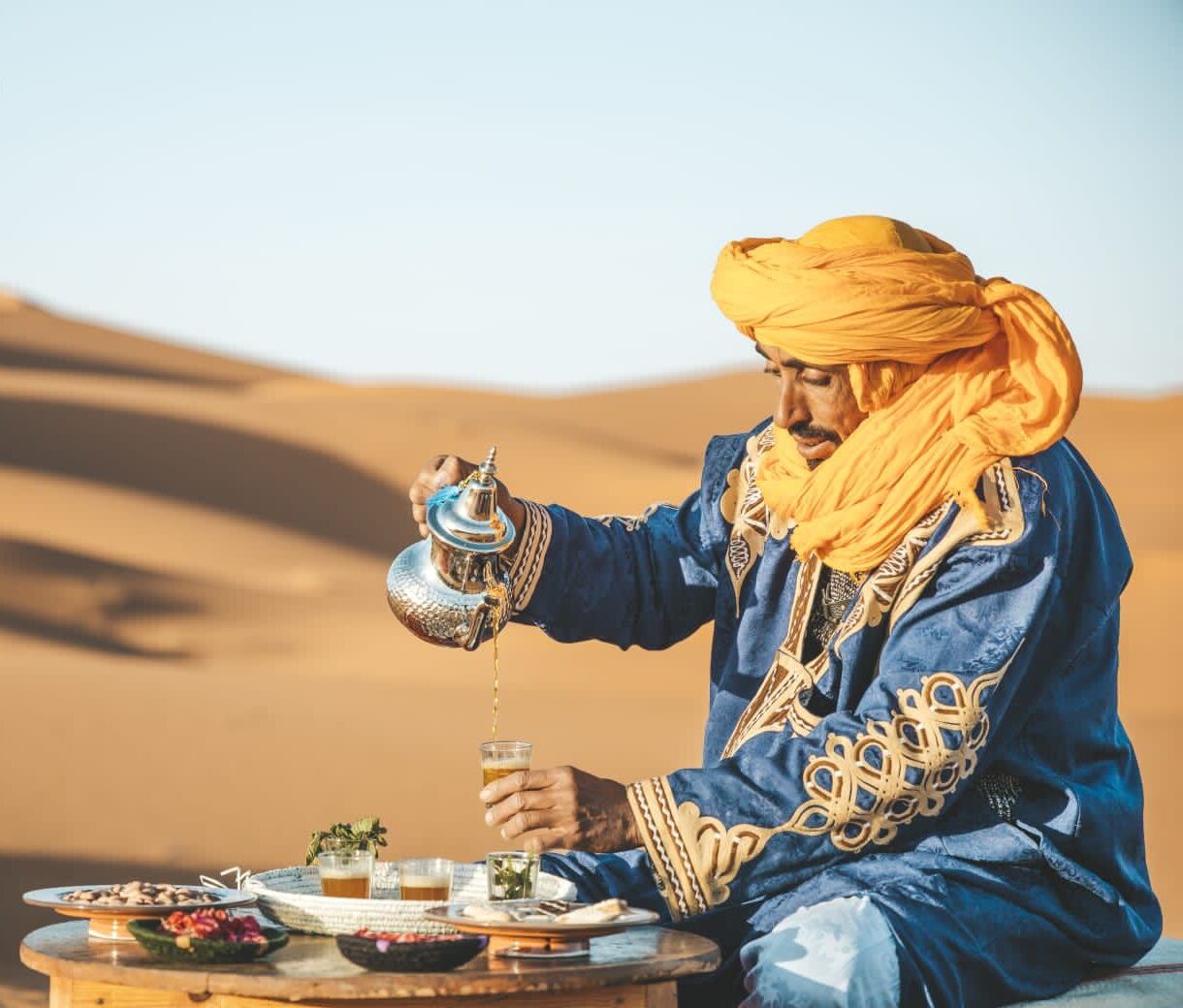
Merzouga Bedouin Camp: Traditional Desert Living in the Sahara
When most people dream of the Sahara Desert, they imagine towering golden dunes, star-filled nights, and the romance of nomadic life. A Merzouga Bedouin camp offers exactly that—and so much more. Located in southeastern Morocco near the magnificent Erg Chebbi sand dunes, these traditional desert camps provide an authentic window into a way of life that has endured for centuries.
Whether you're a first-time desert visitor or a seasoned traveler seeking genuine cultural immersion, understanding what a traditional Merzouga desert camp experience entails will help you make the most of your time in this remarkable landscape. This guide walks you through everything you need to know about Bedouin camp life, what to expect, and how to choose an experience that aligns with your travel goals.
What is a Merzouga Bedouin Camp?
A Merzouga Bedouin camp is a traditional settlement where visitors can experience the lifestyle, hospitality, and culture of the Bedouin people and Berber communities. These camps are typically set up on or near the Erg Chebbi dunes—one of Morocco's most iconic desert landscapes—and offer guests the chance to step outside modern life and into a world shaped by desert traditions.
The term "Bedouin" refers to traditionally nomadic Arab communities, while "Berber" describes the indigenous peoples of North Africa. In Merzouga, these cultures intersect, creating a rich tapestry of desert traditions. Modern Merzouga Bedouin camps blend this heritage with hospitality infrastructure designed for visitors, allowing authentic cultural exchange while ensuring comfort and safety.
The History of Merzouga and Its People
Merzouga is a small village that has served as a gateway to the Sahara for centuries. Historically, it was a crucial stop on trans-Saharan trade routes where merchants, explorers, and adventurers would prepare for their desert crossings. The region's Bedouin and Berber inhabitants developed sophisticated knowledge of desert survival, navigation, and resource management—skills passed down through generations.
Today, Merzouga remains deeply connected to these roots. The village sits at the edge of Erg Chebbi, a 40-kilometer stretch of towering sand dunes that rises up to 150 meters high. This dramatic landscape has been home to desert communities for millennia, and their presence here is woven into the very fabric of the region.
The Authentic Merzouga Bedouin Camp Experience
Accommodations and Setup
Traditional Merzouga Bedouin camps use several types of structures to house guests. The most iconic is the Berber tent, a sturdy canvas or fabric structure that provides shelter while maintaining connection to the desert environment. These tents are often decorated with traditional rugs and cushions, creating a cozy atmosphere despite the stark surroundings.
More substantial camps, like Original Desert Camp, offer a range of accommodations from traditional Bedouin tents to more contemporary structures, ensuring guests can choose their level of comfort. Regardless of accommodation style, quality camps maintain authentic aesthetic details and provide essential amenities like private bathrooms and comfortable bedding.
Daily Life and Activities
A stay at a Merzouga traditional camp typically revolves around several core experiences:
Camel Trekking is the quintessential desert activity. These single or multi-day excursions take you deep into Erg Chebbi, where you'll navigate towering dunes and experience the silence and vastness of the Sahara. Most camps, including Original Desert Camp, offer morning and sunset camel treks that are perfectly timed to catch the best light and avoid midday heat.
Sunset and Sunrise Viewing may sound simple, but witnessing the sun transform the sand dunes from golden to fiery red remains one of the most transcendent experiences travelers can have. Many visitors wake before dawn specifically to climb the dunes for sunrise, and evening expeditions are equally rewarding.
Cultural Interactions form the heart of the Merzouga Bedouin camp experience. You'll have opportunities to learn about traditional Berber culture, meet local guides and staff, hear stories about desert life, and participate in daily activities like preparing meals or learning traditional crafts.
Stargazing deserves special mention. Far from light pollution, Merzouga offers some of the clearest night skies in North Africa. The Milky Way stretches across the darkness in breathtaking detail, and many nights you'll see more stars than you ever imagined possible.
What Makes a Quality Merzouga Berber Camp
Not all desert camps offer the same quality of experience or commitment to authenticity. Here's what distinguishes genuinely excellent Merzouga Berber camps:
Authentic Cultural Integration
The best camps employ local Berber and Bedouin staff, ensuring that cultural knowledge and traditions remain in community hands. When you interact with your camel guide, cook, or camp manager, you're learning from someone with genuine heritage and expertise in desert life.
Quality camps also maintain transparent relationships with local communities and contribute economically to the region. They source food locally, hire local labor, and often support local artisans and craftspeople.
Environmental Responsibility
The Sahara is a fragile ecosystem. Responsible Merzouga traditional camps implement practices like:
- Waste management systems that minimize environmental impact
- Water conservation in an arid region where every drop matters
- Sustainable energy use, including solar power
- Protocols that protect desert wildlife and vegetation
Genuine Hospitality
Authentic Bedouin culture is built on the concept of generous hospitality. Quality camps embody this principle through attentive service, genuine warmth, and willingness to accommodate individual needs and interests. Staff members should seem genuinely pleased to share their culture rather than merely performing a service.
Comfortable but Not Excessive Amenities
The best balance for a Merzouga Bedouin camp experience maintains authenticity while ensuring reasonable comfort. You should have clean water, functional plumbing, warm blankets, and adequate shelter—not marble bathrooms or WiFi throughout. Original Desert Camp, for instance, provides private en-suite bathrooms and quality bedding while maintaining traditional design and aesthetic.
Practical Tips for Your Merzouga Camp Stay
Best Time to Visit
Merzouga can be visited year-round, but timing affects your experience:
- October to April: Ideal temperatures (15-25°C daytime), comfortable for activities, stunning clear skies. These are peak months.
- May to September: Very hot (40°C+), but fewer tourists, stunning sunsets, and incredible star clarity.
- July and August: The hottest months; many visitors avoid this period, though dedicated travelers find it manageable.
What to Pack
Essential items for your Merzouga traditional camp visit:
- Sun protection: High-SPF sunscreen, sunglasses, and a hat
- Layers: Mornings and nights get cool; bring a light jacket or fleece
- Comfortable walking shoes and sandals (the sand gets extremely hot)
- Modest clothing: For cultural respect and sun protection
- Camera: To capture the stunning landscapes
- Personal medications and toiletries
- Light reading material: For downtime
- Swimwear: Some camps have pools
Cultural Considerations
When staying at a Merzouga Bedouin camp:
- Dress modestly, particularly women
- Ask before photographing people
- Remove shoes when entering tents
- Respect prayer times
- Avoid eating or drinking in public during Ramadan
- Learn basic Arabic or French phrases as a sign of respect
Managing Expectations About Comfort
Authentic desert camp experiences require some adjustment. You might experience:
- Sand finding its way into unexpected places
- Basic bathrooms rather than luxury fixtures
- Limited electricity and no WiFi (in traditional camps)
- Early mornings and physically demanding activities
- Limited food variety (though meals are typically delicious and filling)
These aren't drawbacks—they're part of the authentic experience and exactly why many travelers find desert camps so transformative.
The Merzouga Landscape: Understanding Erg Chebbi
To truly appreciate a Merzouga Bedouin camp experience, it helps to understand the landscape surrounding it.
Erg Chebbi's Geology
Erg Chebbi is a "sand sea"—a massive field of sand dunes formed over thousands of years by wind patterns and sand accumulation. Unlike smaller dunes, these massive formations create their own weather patterns and visual drama. The tallest dunes reach 150 meters, casting dramatic shadows and creating stunning visual contrasts throughout the day.
The sand itself varies in color—golden, red, and orange tones shift depending on light angle and mineral content. This variation makes photography endlessly rewarding and sunrise and sunset incomparably beautiful.
Wildlife and Flora
Contrary to expectations, the Sahara isn't completely barren. You may encounter:
- Desert foxes and jackals
- Various lizard species
- Spiders and insects adapted to heat extremes
- Sparse desert plants like acacia trees and desert shrubs
Your guides from a quality Merzouga traditional camp can point out adapted species and explain how they survive in this extreme environment.
Beyond Your Camp: Exploring the Greater Merzouga Region
While your camp serves as base, the broader Merzouga area offers fascinating day trips:
Khamlia: The Gnaoua Village
This nearby village is home to descendants of West African musicians and has become famous for its Gnaoua music tradition. Many camps arrange evening visits featuring live Gnaoua performances—a mesmerizing blend of African rhythms and spiritual music.
Ifrane: The "Switzerland of Morocco"
A scenic drive (about 5 hours) takes you to this cool, forested mountain town—a striking contrast to the desert. Some multi-day itineraries combine desert camp stays with Ifrane visits.
Todra Gorge
Another spectacular day trip, this dramatic canyon features vertical rock walls up to 300 meters high with a river flowing through. The contrast with desert dunes makes it a worthwhile excursion.
Tafilalt Oasis
Just south of Merzouga, this palm-filled oasis represents the other extreme of desert geography and demonstrates how humans have lived sustainably in arid environments.
Choosing Your Merzouga Camp Experience
Camp Types and Styles
Camps range from ultra-basic budget options to luxury experiences:
- Budget camps: Simple tents, shared bathrooms, minimal amenities, $20-40/night
- Mid-range camps: Private tents with en-suite bathrooms, better meals, organized activities, $60-150/night
- Luxury camps: High-quality accommodations, excellent food, professional guides, premium experiences, $200+/night
The right choice depends on your budget, comfort preferences, and travel style.
Questions to Ask When Booking
Before committing to a Merzouga Bedouin camp:
- What's included in the package price?
- What's the staff-to-guest ratio?
- Are guides trained and experienced?
- How are meals prepared and sourced?
- What's the camp's relationship with local communities?
- Are there activities if weather becomes problematic?
- What's the cancellation policy?
- Are there hidden costs for activities or transport?
The Transformative Power of Desert Camp Living
Beyond the activities and logistics, many travelers find that Merzouga Bedouin camp experiences are profoundly transformative. The desert's vastness, silence, and beauty create space for reflection. Away from digital distractions and daily routines, people often experience:
- Renewed perspective on life priorities
- Deeper appreciation for simplicity
- Enhanced creativity and problem-solving ability
- Spiritual or transcendent moments
- Genuine cross-cultural understanding
- Physical rejuvenation
These internal shifts often prove as valuable as the external experiences of camel trekking and stargazing.
Making the Most of Your Stay
To maximize your Merzouga traditional camp experience:
Engage Authentically
Rather than treating camp staff as servants, engage them as teachers and cultural ambassadors. Ask questions about their lives, their perspectives, and their communities. Most Bedouin and Berber people take pride in sharing their culture when genuine interest is shown.
Unplug Intentionally
If your camp has WiFi, consider limiting its use. The gift of digital disconnection is one reason many travelers seek desert experiences. Give yourself permission to simply be present.
Participate in Camp Life
Offer to help with meal preparation, join in games or activities, and participate fully rather than remaining a passive observer. This deepens cultural connection and often creates wonderful memories and stories.
Keep a Journal
The desert experience benefits from reflection.