
Merzouga Camel Camping Trek: The Full Guide to a Classic Sahara Adventure
There's something almost magical about the idea of riding across golden sand dunes on the back of a camel, watching the sun disappear behind vast desert horizons. It's a vision that has captivated travelers for centuries, and a Merzouga camel camping trek makes this dream wonderfully accessible. Whether you're a seasoned adventurer or someone seeking their first taste of desert exploration, this comprehensive guide will help you understand everything you need to know about planning an unforgettable experience in Morocco's Sahara.
The town of Merzouga sits on the eastern edge of the Sahara Desert, right where the landscape transforms from rocky terrain into the magnificent Erg Chebbi dune field. This isn't just any desert camping experience—it's an opportunity to connect with ancient Berber culture, experience the raw beauty of one of the world's most iconic deserts, and challenge yourself in ways that will stay with you long after you return home.
Understanding Merzouga and the Sahara Setting
What Makes Merzouga Special
Merzouga is a small Berber village located in the Drâa-Tafilalet region of southeastern Morocco, approximately 465 kilometers southeast of Fez. What makes Merzouga truly special isn't just its location, but its position as the gateway to Erg Chebbi, one of the Sahara's most stunning sand sea formations.
Erg Chebbi consists of towering sand dunes that can reach heights of up to 150 meters. Unlike the flat, sandy plains many people imagine when they think of the Sahara, these dunes create a dramatic landscape of peaks and valleys that shift subtly with wind and light throughout the day. The settlement of Merzouga itself is home to around 1,500 residents, predominantly Berber people who have lived in harmony with this landscape for generations.
The Geography of the Desert
The Sahara isn't a uniform expanse of sand. Around Merzouga, you'll encounter several distinct landscape types. The dunes themselves—the ergs—are the most photogenic, but you'll also traverse rocky plateaus called hamada, gravel plains called reg, and scattered oases that have sustained life here for millennia. This geographical diversity is part of what makes a Merzouga camel camping trek so captivating; you're not just seeing one type of scenery repeated endlessly.
The climate here is extreme. Daytime temperatures can exceed 40°C (104°F) in summer, while nighttime temperatures can drop dramatically—sometimes to near freezing in winter. The desert receives virtually no rainfall, and the air is incredibly dry. This environment has shaped not only the landscape but also the culture of the people who call it home.
Planning Your Merzouga Camel Camping Trek
Best Times to Visit
Timing your visit is crucial for a comfortable and enjoyable experience. Summer months (June through August) are technically possible but challenging. Temperatures regularly exceed 45°C (113°F), and the intense heat makes lengthy camel treks exhausting. You'll find fewer tourists, accommodations may offer better rates, but you'll also face significant physical demands.
Spring (March through May) and Autumn (September through November) are ideal seasons for a Merzouga camel camping trek. During these months, daytime temperatures range from 20-35°C (68-95°F), which is warm but manageable. The weather is stable, skies are typically clear, and the desert reveals its full dramatic beauty. These seasons also coincide with local festivals and celebrations, giving you a richer cultural experience.
Winter (December through February) offers cooler temperatures (10-20°C or 50-68°F during the day) and is another popular season. Night temperatures can be chilly, so packing warm layers is essential, but many travelers enjoy the crisp, clear desert air and the relative comfort of cooler days.
Trek Duration Options
Merzouga camel camping treks come in various lengths, each offering different experiences:
Single-Night Trek: A good introduction if you're uncertain about camel riding or desert camping. You'll ride out in the afternoon, spend one night under the stars at a desert camp, and return the following morning. This typically covers 20-30 kilometers.
Two-Night Trek: The most popular option for most travelers. You have more time to acclimate to camel riding, venture deeper into the dune field, and enjoy a more relaxed pace. You might explore different dunes, visit Berber settlements, and truly experience the desert's rhythm.
Three-Night Trek and Beyond: For serious desert enthusiasts, multi-day treks allow you to venture far into the dune field, visit remote areas, and develop a deeper connection with the landscape and local culture. Some treks can be customized to last a week or longer.
Preparing for Your Merzouga Camel Camping Trek
Physical Preparation
Camel riding uses different muscle groups than most daily activities. If you're not accustomed to horseback or similar activities, your legs, lower back, and inner thighs may feel sore after your first day. This is completely normal and doesn't necessarily mean you're unfit—it's simply muscle adaptation.
Before your trip, some gentle preparation helps: regular walking, light cycling, or swimming can build relevant muscle groups. Practicing flexibility exercises, particularly hip openers and hamstring stretches, will make camel riding more comfortable. That said, people of all fitness levels successfully complete these treks. Pacing yourself, taking breaks when needed, and communicating with your guide about discomfort is key.
What to Pack
Packing smart makes an enormous difference in your comfort and enjoyment. Here's what experienced desert travelers recommend:
Clothing:
- Lightweight, loose-fitting clothing for daytime (allows air circulation and provides sun protection)
- A long-sleeved shirt and pants to minimize sun exposure
- A warm sweater or fleece for nighttime temperatures
- A wind-resistant outer layer (desert winds can be surprisingly strong)
- Comfortable, broken-in hiking boots or sturdy walking shoes
- Sandals or slip-on shoes for camp
- Socks (including thermal socks for colder seasons)
- Wide-brimmed hat and sunglasses
Sun and Skin Protection:
- High-SPF sunscreen (SPF 50+)
- Lip balm with UV protection
- A lightweight scarf or buff for covering face and neck
- Aloe vera gel for sunburn relief
Essentials:
- Reusable water bottle (you'll want to drink constantly—at least 3-4 liters daily)
- Medications you regularly take
- Personal hygiene items (wet wipes are particularly useful in the desert where water is precious)
- Toilet paper and a small trowel (for use away from the camp)
- Any prescription glasses or contact lenses
- Headlamp or small flashlight with extra batteries
Optional Comfort Items:
- Camera or smartphone for photographs
- Journal for recording thoughts
- Earplugs (if you're sensitive to sounds)
- Sleeping bag liner (some camps provide these, but bringing your own ensures comfort)
- Toiletries (though luxury camps like Original Desert Camp provide amenities)
Physical and Mental Expectations
A Merzouga camel camping trek is an adventure, not a luxury resort experience. Understanding what to expect helps you appreciate the experience fully.
Camel riding can be uncomfortable initially. Camels sway differently than horses, and the saddle position feels awkward at first. However, most people adapt after an hour or two, and by day two or three, it becomes quite natural. Your guides are experienced in helping nervous riders, and they'll adjust pace and breaks to your comfort level.
Accommodations at desert camps vary but typically involve sleeping in Berber-style tents or under the stars. Modern camps offer more amenities, while traditional setups are more basic but arguably more authentic. At Original Desert Camp, you'll find a balance—traditional aesthetic with thoughtful comfort considerations like thick mattresses, clean linens, and proper facilities.
Bathroom facilities are usually basic. Most camps have designated bathroom areas with privacy. In some cases, this means using a toilet tent or designated area away from the main camp. Wet wipes become your best friend. This is part of the authentic desert experience and requires a flexible attitude.
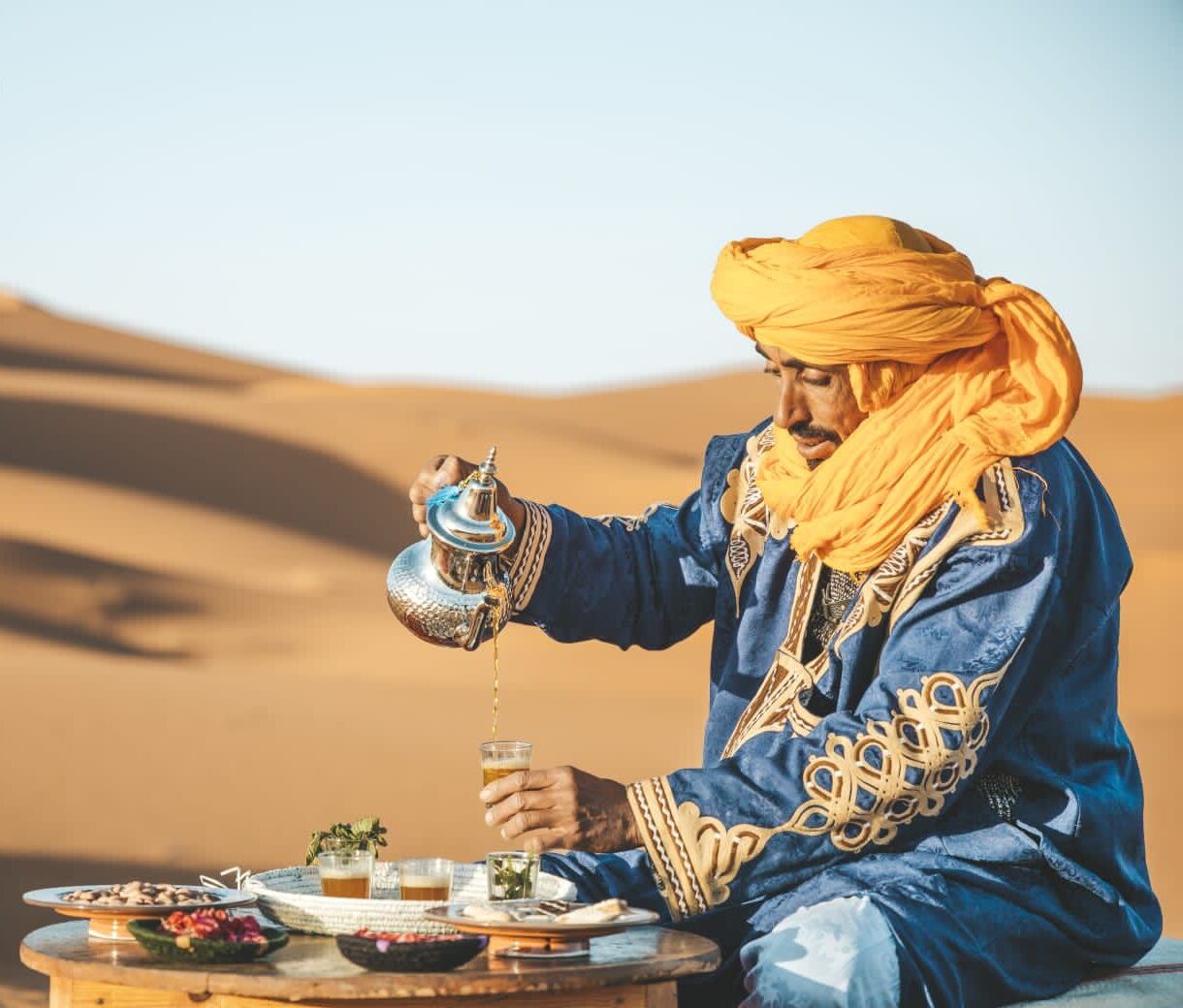
Food prepared in the desert is surprisingly good. Most camps employ cooks who prepare hearty meals using fresh ingredients brought from town. Meals typically include tagine (slow-cooked stew), couscous, bread, fresh fruit, and strong Moroccan mint tea. Vegetarian options are available with advance notice.
The Merzouga Camel Camp Experience
Daily Rhythm of a Typical Trek
A two-night Merzouga camel camping trek typically follows this rhythm:
Day One: You'll depart from your accommodation in Merzouga in the late afternoon (around 3-4 PM). This timing takes advantage of slightly cooler temperatures and positions you to catch the sunset over the dunes—one of the desert's most spectacular natural phenomena. Your camel trek covers approximately 10-15 kilometers, with a gentle pace allowing you to adjust to camel riding. You'll arrive at the camp location as afternoon light turns golden, giving you time to settle in before dinner and the evening's entertainment.
Evening activities might include sitting around a fire, listening to Berber musicians play traditional instruments like the oud and bendir drums, sharing tea, and simply watching stars emerge in the night sky. The Sahara offers some of the darkest skies on Earth—far from light pollution, thousands of stars become visible, and the Milky Way reveals its full glory.
Day Two: An early morning wake-up allows you to climb a nearby dune and watch the sunrise—an experience that often moves people profoundly. After breakfast and rest, afternoon treks might explore different dune formations or visit a traditional Berber settlement where you can interact with local families, see how they live, and understand their relationship with the desert. Evening repeats the pattern of dinner, entertainment, and stargazing.
Day Three: A final morning ride brings you back toward Merzouga, usually arriving by late morning or early afternoon. This gives you time to shower, rest, and reflect on your experience before continuing your Morocco journey.
What Makes a Quality Desert Camp
Not all desert camps are equal, and choosing wisely enhances your experience significantly. Quality indicators include:
- Experienced, knowledgeable guides who speak your language and understand desert safety
- Well-maintained equipment: camels that are healthy and well-cared-for, tents and bedding that are clean and sturdy
- Food quality and variety: fresh ingredients and skilled cooking rather than pre-packaged meals
- Respectful cultural exchange: guides who facilitate genuine interaction with Berber communities without exploitation
- Environmental consciousness: camps that minimize waste and respect the fragile desert ecosystem
- Clear communication: transparent information about what's included, what to expect, and what additional costs might arise
Original Desert Camp exemplifies these standards, combining authentic Berber hospitality with thoughtful amenities that enhance rather than detract from the desert experience.
The Cultural Dimension
Meeting the Berber People
The Berber (Amazigh) people have inhabited North Africa, including the Sahara, for millennia. Meeting and interacting with Berber families adds immeasurable depth to your desert experience. Many families living in settlements near Merzouga maintain traditional lifestyles, though increasingly incorporating modern elements.
During your trek, you might visit a family in their traditional Berber home, share tea and bread, and learn about their daily life. This isn't staged tourism—it's genuine cultural exchange. You'll learn about the incredibly resourceful ways these communities survive in such an extreme environment, the importance of extended family and community, and the strong connection to their ancestral lands.
Traditions and Customs
Understanding and respecting local customs enhances your experience and shows respect to your hosts. A few important points:
- Dress modestly, particularly when visiting villages or spending time with local families
- Ask permission before photographing people, particularly women and children
- Learn a few words of Arabic or French—locals appreciate genuine efforts to communicate
- Accept hospitality graciously—refusing food or tea can be considered insulting
- Respect prayer times—if your guide needs to pray, understand this is important and completely normal
- Remember that the desert is home for these communities, not just a tourist attraction
Practical Logistics and Safety
Getting to Merzouga
Most travelers arrive in Merzouga as part of a larger Morocco itinerary. The town is accessible via:
By Road: The most common approach. From Fez, it's approximately 470 kilometers and takes about 10-12 hours of driving (often split over two days with stops in Middle Atlas towns). From Marrakech, the journey is longer at around 560 kilometers but offers stunning scenery through the Atlas Mountains.
By Air: You can fly into Fez or Marrakech, then arrange ground transportation. This saves time but means missing the scenic drive through Morocco's interior.
Guided Tours: Many visitors book multi-day desert tours from major cities, which handle all transportation logistics and include accommodation at camps like Original Desert Camp.
Best Time to Visit
October to April offers the most comfortable temperatures, ranging from 15-25°C (59-77°F) during the day. Nights can still be cool, so bring layers.
May to September experiences extreme heat exceeding 40°C (104°F), making daytime activities challenging and accommodation costs lower due to reduced demand.
What to Pack
- Lightweight, breathable clothing for days; warm layers for nights
- High SPF sunscreen and a wide-brimmed hat
- Sturdy walking shoes and sandals
- A headscarf or lightweight wrap (practical and respectful)
- Reusable water bottle
- Basic medications and toiletries
Final Thoughts
A journey to Merzouga and Original Desert Camp transcends typical tourism—it's a transformative experience that connects you with one of Earth's most magnificent landscapes and its remarkable people. The Sahara teaches humility, perspective, and the profound beauty of simplicity. Whether you spend one night under the stars or several days exploring with local guides, you'll return home with memories and insights that reshape how you see the world.