
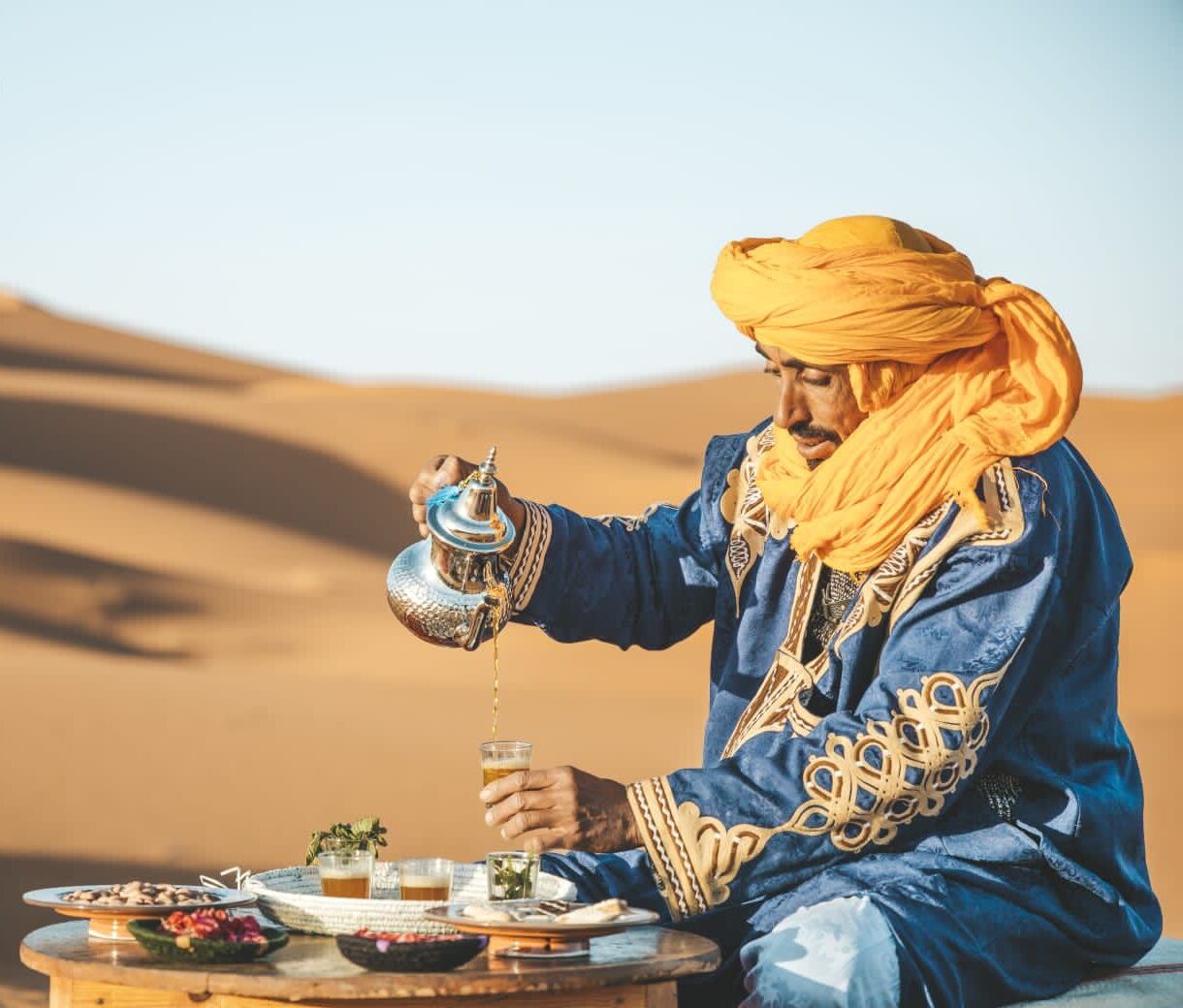
Merzouga Camping Morocco: The Complete Guide to Desert Camping
When most people think about Morocco, they picture bustling medinas, intricate tile work, and the snow-capped Atlas Mountains. But venture southeast toward the desert, and you'll discover something equally magical: the golden dunes of Erg Chebbi near Merzouga, where desert camping has become one of the most transformative travel experiences available. If you're considering a camping adventure in this stunning corner of the Sahara, this comprehensive guide will help you understand exactly what to expect and how to prepare for an unforgettable journey.
Merzouga is a small town that has become the gateway to some of Morocco's most dramatic desert landscapes. Located at the edge of the Erg Chebbi sand sea, it's the perfect base for desert camping experiences that range from ultra-luxurious to budget-friendly. Whether you're seeking a romantic escape, a family adventure, or a solo journey of self-discovery, Merzouga camping offers something genuinely special.
Understanding Merzouga and Erg Chebbi
What Makes Merzouga Special
Merzouga is a modest Berber settlement that has transformed over the past two decades into a thriving tourist destination, all while maintaining its authentic character and desert hospitality. The town itself is small—you can walk through the main areas in about fifteen minutes—but its strategic location makes it invaluable for desert experiences.
The real attraction, however, lies just outside town: Erg Chebbi. This isn't just any desert. Erg Chebbi is one of Morocco's two great sand seas, covering approximately 78 square kilometers of pristine dunes that rise up to 150 meters high. These aren't scattered dunes across a rocky desert; they're dramatic, rolling mountains of sand that seem to stretch endlessly toward the horizon. When you're camping here, you're not simply staying in the desert—you're positioned right at the heart of one of North Africa's most iconic landscapes.
The name "Erg" comes from the Berber word meaning "sand sea," and once you witness these dunes, you'll understand why. The sand shifts with the light throughout the day, appearing golden in the morning, intense orange at sunset, and almost purple under the starlight. It's a landscape that has inspired poets, artists, and travelers for centuries.
The Geography and Climate
Understanding Merzouga's location helps explain why it's such an ideal camping destination. The town sits at approximately 800 meters elevation, which—combined with its desert location—creates a unique microclimate. Summers are intensely hot, with temperatures regularly exceeding 40°C (104°F), while winters are surprisingly cool, with nighttime temperatures sometimes dropping to near freezing.
The best time for desert camping in Merzouga is October through April. During these months, daytime temperatures typically range from 20-25°C (68-77°F), which is genuinely comfortable for outdoor activities. The air is crisp and clear, especially in the evenings, making for spectacular stargazing. Most visitors plan their Merzouga camping trips during these shoulder seasons to take advantage of perfect weather.
Types of Desert Camping Experiences
Luxury Berber Camps
The luxury end of Merzouga camping has expanded dramatically over the past decade. These aren't traditional tent cities; they're carefully curated experiences that combine authentic desert culture with modern comfort. Camps like Original Desert Camp represent this evolution—they maintain the romance and authenticity of traditional Berber camping while providing amenities that make the experience accessible and genuinely enjoyable.
Luxury Merzouga campsites typically feature private or semi-private tents with comfortable beds, good lighting, and proper temperature control. You'll often find en-suite bathrooms (either attached or nearby), dining areas, and common spaces designed for relaxation and socializing. The best camps employ local Berber staff who bring genuine cultural knowledge and warm hospitality to every interaction.
What distinguishes these experiences from hotels is the immersion. You're still sleeping in a tent under the Saharan sky, still experiencing the desert's silence and vastness, but with the reassurance of professional service and thoughtful amenities. Many guests find this balance—authenticity with comfort—to be exactly what they need for a transformative experience.
Mid-Range Camping Options
If luxury camping seems excessive but basic camping feels too rustic, mid-range Merzouga camps offer an appealing middle ground. These establishments typically feature sturdy tents with proper beds, basic electricity, and shared bathroom facilities. The food is usually good quality, and the staff provides helpful guidance for activities and cultural interactions.
Mid-range options are perfect for travelers who want a genuine desert experience without breaking the budget, or for those traveling with larger groups where premium pricing becomes prohibitive. The quality can vary significantly between camps, so reading recent reviews and asking about specific amenities (hot water availability, quality of bedding, dining options) is important.
Budget Camping and Homestays
For the most budget-conscious travelers, basic camping grounds and family-run guesthouses still exist around Merzouga. These offer authentic interactions with Berber families and a more stripped-down desert experience. However, standards for cleanliness, comfort, and safety can be inconsistent. If you choose this option, book through reliable platforms with verified reviews, and plan on a more rustic experience where you're genuinely roughing it.
What to Expect During Your Merzouga Camping Stay
A Typical Day
Understanding the rhythm of desert camping helps you prepare mentally and practically. Most camps follow a similar daily structure, though variations exist depending on your specific camp and the season.
You'll typically wake early—either naturally from the quiet or gently encouraged by the call to prayer echoing across the dunes. Many camps serve breakfast around 7-8 AM, featuring a mix of Moroccan and international options. This is an ideal time to explore the dunes near camp while it's cool and the light is magical.
Mid-morning is usually free time for relaxation, reading, or optional activities like camel trekking or visiting nearby Berber villages. Lunch is typically served around 1-2 PM, often a leisurely meal that encourages rest during the hottest part of the day. This is perfect timing for a siesta—the desert sun is intense, and rest is genuine self-care, not laziness.
The late afternoon brings another wave of activity. This is when many camps organize sunset experiences on the dunes. Whether you choose to trek out yourself or join a group excursion, witnessing the sunset from the dunes is genuinely one of those transformative travel moments. The colors shift from gold to orange to deep red as the sun descends, and the temperature drops from hot to pleasantly warm.
Dinner is typically the social highlight, often served communally around 7-8 PM. Many camps feature traditional Moroccan cuisine, and some include entertainment like Berber music or storytelling. At Original Desert Camp, dinner is an experience in itself, featuring authentic dishes prepared with care and often featuring ingredients sourced locally or grown specifically for the camp.
Nighttime in the Desert
Once darkness falls—which is complete and absolute in the desert—you'll understand why this place has captivated people for millennia. The Sahara offers some of the darkest skies accessible to most travelers, and the stars are genuinely overwhelming in their number and clarity. Many visitors spend hours simply lying on the sand, watching shooting stars and picking out constellations.
The silence is profound. There's no ambient light pollution, no traffic noise, no urban hum. Just the vast desert, the stars, and your own thoughts. Some people find this deeply meditative and restorative; others find it initially unsettling. Either way, it's an experience that shifts your perspective.
Temperature-wise, nights can get genuinely cold, even during warmer months. A good camp provides adequate blankets and heating solutions. Quality bedding and proper tent insulation make the difference between a cozy night and a cold, miserable one—another reason choosing your camp carefully matters.
Practical Preparation for Desert Camping
What to Pack
Packing for Merzouga camping requires thinking about three distinct environments: the hot desert day, the cool evening, and the potentially cold night. Layer clothing is essential. During the day, light, loose-fitting clothes that protect from sun are ideal. Bring a long-sleeved shirt and long pants—traditional desert wear exists for good reasons, and sunburn in the Sahara is no joke.
For evening and nighttime, bring a warm jacket or sweater. Even in spring and fall, temperatures drop significantly once the sun sets. In winter months, bring genuinely warm clothing—thermal layers are invaluable.
Footwear deserves careful consideration. Sturdy hiking boots are ideal for dune walking, but many people prefer sandals for camp areas. Bring both if possible. The sand is very fine and gets into everything—expect to find it in your tent, your clothes, and your hair. This is part of the experience, and accepting it goes a long way toward enjoying it.
Sun protection is critical: high-SPF sunscreen, sunglasses, and a hat are non-negotiable. The desert sun reflects off sand and is far more intense than you might expect. Many first-time visitors underestimate this and end up with painful burns.
For medications, bring more than you think you'll need. Pharmacies in Merzouga are basic, and if you're on regular medications, you don't want to take chances. Basic first aid supplies are also wise—antibiotic ointment, pain relievers, anti-diarrhea medication, and any personal medications you might need.
Health and Safety Considerations
Merzouga is generally very safe for tourists. Crime against visitors is rare, and the Berber people are known for their hospitality and respect for guests. That said, use basic travel sense: don't carry excessive amounts of cash, keep valuables secure, and avoid walking alone after dark in unfamiliar areas.
Health-wise, the primary concern is the heat and sun exposure during warmer months, and the cold during winter. Dehydration is a real risk in the desert—drink more water than you think you need. Altitude isn't a major issue at Merzouga's 800-meter elevation, but some people notice the change.
Gastrointestinal issues are always a possibility when traveling in Morocco. While reputable camps maintain good hygiene standards, your stomach might still protest the change in water and cuisine. This is usually temporary and manageable with over-the-counter remedies and patience.
Best Times to Visit
October through April is genuinely the ideal window for Merzouga camping. October and April offer particularly pleasant weather—warm but not oppressive, cool in evening but not cold at night. November through March can be cold at night (sometimes dropping to near freezing), but daytime temperatures remain pleasant.
May through September is genuinely difficult for desert camping. May and September can still work if you're heat-tolerant, but June through August brings temperatures regularly exceeding 45°C (113°F). While some hardy travelers visit during these months, most find it genuinely uncomfortable.
Activities and Experiences
Camel Trekking
Camel trekking is often the most iconic Merzouga activity, and for good reason. Riding a camel across golden dunes at sunrise or sunset is genuinely magical. Most treks last 1-3 hours, though longer multi-day treks are available. Expect to be sore if you're not accustomed to riding—camels have an unusual gait that engages different muscles than horseback riding.
Choose your trek timing carefully. Early morning treks catch the best light and avoid the midday heat. Sunset treks are equally beautiful and often feel more romantic. Avoid midday treks in warm weather—the heat becomes intense, and the light is harsh.
Dune Hiking
Some visitors prefer exploring the dunes on foot. Climbing the big dunes is genuinely hard work—the sand gives way with each step, and elevation gain is deceptive. But the views from the top are spectacular, and the sense of accomplishment is real. Several camps, including Original Desert Camp, can arrange guided hikes or simply point you toward good routes.
Sunrise and sunset are ideal times for hiking. The light is beautiful, temperatures are manageable, and the quietness is profound. Midday hiking is possible but genuinely uncomfortable.
Berber Village Visits
Visiting nearby Berber villages offers genuine cultural interaction. Many villages welcome visitors, and you can learn about traditional ways of living, purchase handicrafts directly from makers, and share meals with local families. These interactions should always be respectful and arranged through your camp to ensure you're not intruding on private life or contributing to uncomfortable tourism practices.
Stargazing
The desert's dark skies deserve dedicated time. Many camps organize evening sessions with information about constellations and what you're seeing. Even without expert guidance, simply lying under the stars with a blanket and letting your mind wander is profound . The Milky Way stretches across the sky in a way most people have never witnessed, and it's worth staying up late to experience it fully.
Getting There and When to Visit
Merzouga is accessible by road from Fes or Marrakech, though the drive is long—typically 8-10 hours depending on your route and stops. Many travelers break the journey across two days, exploring the Middle Atlas or Midelt along the way. The best times to visit are October through April, when temperatures are comfortable for outdoor activities. Summer heat is intense and can make desert exploration genuinely difficult. Winter nights are cold but manageable with proper bedding, which Original Desert Camp provides.
Practical Tips
Bring plenty of water, sunscreen, and a hat—the sun is relentless. Comfortable walking shoes are essential; flip-flops won't work on sand or rocky terrain. Layers are crucial since desert temperatures swing dramatically between day and night. Your camp can provide most necessities, but arriving prepared makes the experience more enjoyable.
Final Thoughts
A desert camp experience in Merzouga isn't about luxury amenities or constant activity—it's about stepping away from the noise and reconnecting with something ancient and genuine. Whether you spend your time hiking dunes, talking with Berber families, or simply watching the sky, you'll return home with a clearer sense of what matters. Original Desert Camp provides the perfect base for this kind of meaningful travel, combining comfort with authenticity in a way that respects both the landscape and the people who call it home.