
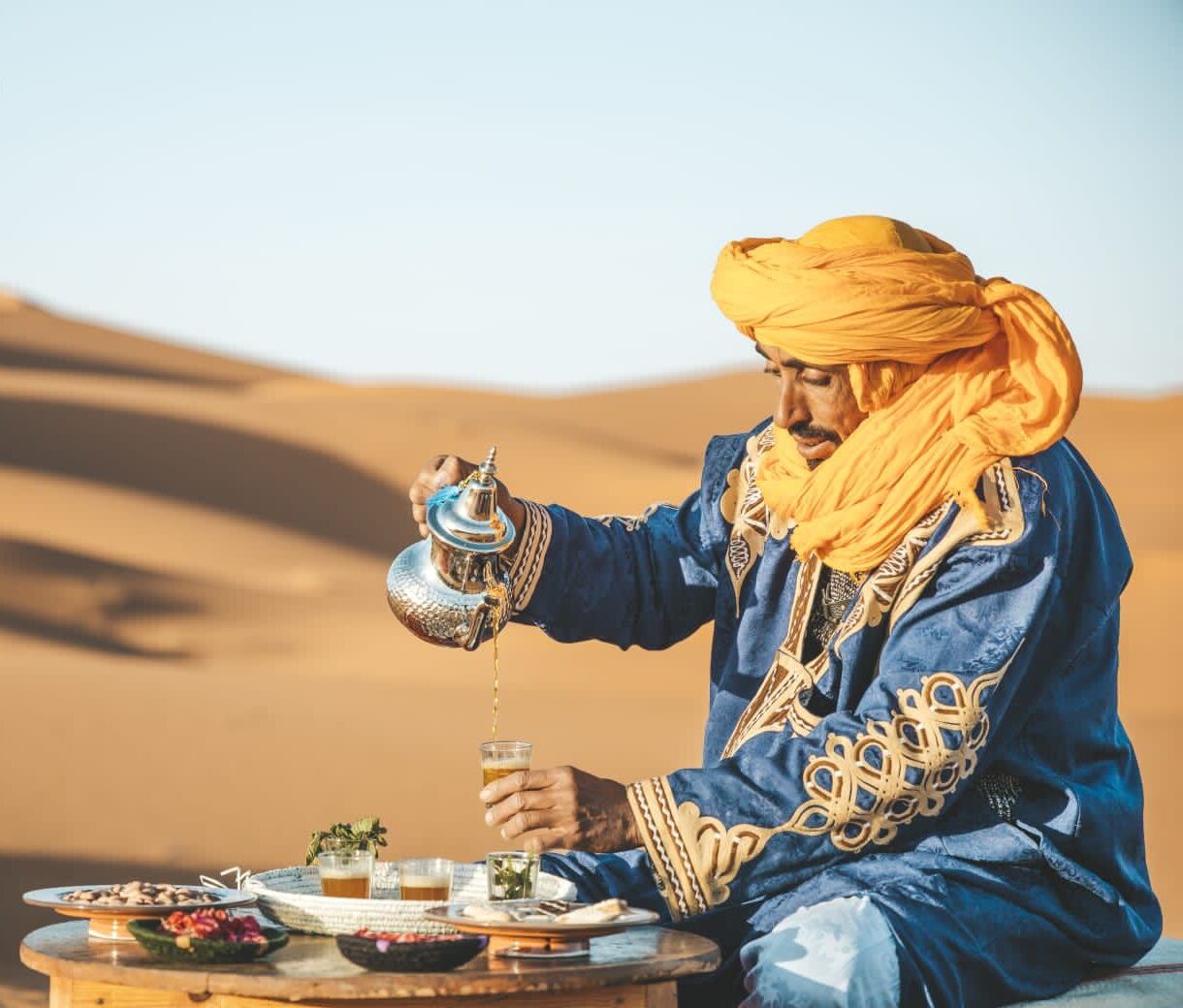
Merzouga Desert Camp 2024: The Latest Guide to Planning Your Sahara Trip
Planning a desert escape to Morocco's Sahara is a dream that millions of travelers share, yet surprisingly few execute. The magical landscape of Erg Chebbi, the towering golden dunes of Merzouga, and the authentic Berber culture create an experience that stays with you long after you've brushed the sand from your belongings. Whether you're considering your first desert adventure or you're a seasoned traveler seeking something truly special, this comprehensive guide will walk you through everything you need to know about planning a Merzouga desert camp experience in 2024.
The allure of Merzouga lies not just in its stunning natural beauty, but in how a well-chosen desert camp can transform a simple overnight stay into a transformative journey. From the moment you set foot on the dunes at sunset until you watch the sunrise paint the sand in shades of amber and rose, every moment feels significant. Let's explore how to plan this adventure properly.
Understanding Merzouga and Erg Chebbi
What Makes Merzouga Special
Merzouga is a small Berber village located in southeastern Morocco, sitting at the edge of Erg Chebbi—one of the most impressive sand sea formations in the entire Sahara. Unlike some desert regions that offer scattered dunes, Erg Chebbi presents a dramatic landscape of towering dunes that can reach heights of 150 meters (nearly 500 feet). These aren't gentle rolling hills; they're serious mountains of sand that create an otherworldly atmosphere, especially when illuminated by the desert sun.
The village itself remains relatively undeveloped, which is precisely what makes it so valuable as a destination. You're not arriving at some commercialized tourist hub—you're entering a place where traditional Berber life continues much as it has for centuries. The local communities here have maintained their customs, languages, and lifestyles, offering visitors genuine cultural exchange rather than performance tourism.
Geography and Climate Considerations
Understanding the geography of Merzouga helps you prepare appropriately. The village sits approximately 465 kilometers from Fes and about 465 kilometers from Marrakech, making it a significant journey but well worth the travel time. The closest major city with airport connections is Fes, though increasingly travelers are discovering routes through Marrakech as well.
The climate in Merzouga is as dramatic as the landscape. Summer temperatures (June through August) regularly exceed 40°C (104°F), making those months challenging for most travelers. Spring (March to May) and fall (September to November) offer ideal conditions with daytime temperatures ranging from 25-30°C (77-86°F) and cool, sometimes cold evenings. Winter (December to February) brings mild days but can be surprisingly cold at night, dipping near freezing as the desert loses its daytime heat rapidly.
Best Times to Visit Merzouga in 2024
Peak Season: October Through March
If you're asking when most travelers visit Merzouga, the answer is clear: October through March represents the peak season, and there are excellent reasons for this. During these months, daytime temperatures are comfortable for desert activities, ranging from the mid-70s to low 80s Fahrenheit. The evenings cool down pleasantly, creating those magical moments around the campfire when you can actually enjoy being outside without sweating through every layer.
October and November are particularly wonderful. The summer heat has finally broken, yet the winter chill hasn't set in fully. You'll experience warm days perfect for desert exploration, and nights cool enough to require blankets but not so cold that sleeping becomes uncomfortable. These months also see moderate visitor numbers—busy enough that camps are operating at full capacity and offering a vibrant atmosphere, but not so crowded that you feel like you're at a tourist assembly line.
Shoulder Seasons: September and April-May
September marks the tail end of summer, but by late September, temperatures begin their descent toward more comfortable levels. If you visit in September, book accommodations early as many travelers are beginning their migration back to the desert. The advantage of September is that you'll find some excellent deals, and the heat, while still present, becomes more manageable as the month progresses.
April and May offer the inverse scenario—spring is in full bloom across Morocco, wildflowers dot the landscape in regions you'll travel through to reach Merzouga, and temperatures are climbing toward summer but remain eminently manageable. May can be slightly warmer than you might expect, but it's still far preferable to June or July.
Summer: June Through August (Not Recommended)
Let's be direct: summer in Merzouga is brutal. Temperatures regularly exceed 40°C, and the combination of heat, intense sun, and dehydrating conditions makes outdoor activities genuinely difficult. While some hardy travelers do visit during summer, seeking solitude and extreme experiences, we don't recommend it unless you have specific reasons and excellent physical conditioning. The experience is simply less enjoyable when you're primarily focused on finding shade and staying hydrated.
Winter: December Through February
Winter brings its own appeal and challenges. December is still reasonable, with average highs around 20°C and lows around 5°C. January and February are chillier, with temperatures sometimes dropping below freezing at night. However, winter offers incredible clarity in the desert skies—the air is so crisp and clean that stars seem almost close enough to touch. If you're visiting a luxury camp like Original Desert Camp, winter is actually ideal, as the heating systems in accommodations become genuinely welcome rather than superfluous.
Choosing the Right Merzouga Desert Camp
Luxury vs. Budget Accommodations
The Merzouga accommodation landscape ranges from basic guesthouses costing $20-30 per night to luxury desert camps commanding $200+ per night. This isn't merely a price difference; it reflects fundamental differences in experience, comfort, and service quality.
Budget camps typically offer basic tents with minimal amenities, shared bathroom facilities, and simple meals. These work fine if you're a backpacker on a tight budget or you're primarily interested in "roughing it" and checking the Sahara off your bucket list.
Luxury camps like Original Desert Camp represent the other end of the spectrum entirely. These aren't roughing-it experiences—they're carefully curated desert hospitality adventures. You're staying in well-appointed accommodations that maintain desert aesthetic while providing genuine comfort: proper beds rather than thin mattresses, functioning heating and cooling, quality linens, and private or semi-private bathroom facilities.
What Makes Original Desert Camp Different
Original Desert Camp stands out among Merzouga's accommodation options through several distinguishing factors:
Authentic Berber Design Meets Modern Comfort: The camp incorporates traditional Berber tent architecture and design principles while integrating modern amenities that make your stay genuinely comfortable. This is a careful balance that many camps fail to achieve—they either prioritize authenticity to the point of discomfort or go so far toward modernization that they lose the authentic desert experience entirely.
Prime Location on Erg Chebbi: Location matters enormously in Merzouga. Original Desert Camp's position on the dunes themselves means you wake up to sand dunes as your view, not a distant prospect. You can watch the sunrise and sunset directly from the camp, and evening walks onto the dunes are literally steps away rather than requiring camel rides or vehicle transfers.
Curated Experiences: The best camps don't just offer accommodation; they offer carefully planned experiences. This includes sunset and sunrise viewings, guided dune exploration, cultural exchanges with Berber guides, and authentic meals prepared according to traditional recipes.
Sustainable and Community-Focused: Responsible camps work with local communities rather than extracting value from them. Original Desert Camp demonstrates genuine commitment to supporting local Berber communities through employment, partnerships, and cultural preservation.
What to Look for When Choosing a Camp
When evaluating different Merzouga desert camp options, consider these essential factors:
Location Quality: Not all camps on Erg Chebbi are equally well-positioned. Some sit at the dune's base; others are nestled higher on the sand mountains. The elevation affects your experience significantly, influencing sunset and sunrise views, wind exposure, and the feeling of isolation.
Accommodation Standards: Inspect photos carefully, but be aware that photos can deceive. If possible, read recent reviews that discuss actual comfort levels. Questions to consider: Are beds firm and supportive? Is there adequate heating for winter nights? How clean are the bathrooms? Is there hot water?
Food Quality: You'll be eating multiple meals at the camp. This matters. A luxury Merzouga camp should offer Moroccan specialties prepared well, using fresh ingredients when possible. Vegetarian options should be available and satisfying, not afterthoughts.
Staff Training: The difference between a good and great camp often comes down to staff quality. Are they knowledgeable about the region? Do they seem genuinely interested in guest experience, or are they just going through motions? Read reviews that mention staff interactions specifically.
Activities and Flexibility: The best camps offer a range of activities while respecting guest preferences. Want to go camel trekking at dawn? Want to spend the day reading in your tent? A good camp accommodates both approaches.
Planning Your Desert Camp Itinerary
The Ideal Timeline
Most visitors spend one or two nights at a desert camp. A one-night stay allows you to experience a sunset, evening in the Sahara, night under the stars, and sunrise. While this provides a solid introduction, two nights genuinely feels better—it allows for deeper exploration, more relaxed pacing, and better acclimatization to the desert environment.
Day One: Arrival and Acclimatization
If you're arriving from Fes, you'll likely depart in the morning, traveling through increasingly impressive landscapes as you head southeast. The journey takes approximately 8-10 hours depending on your route and stops. Many travelers break this journey in Ifrane or Midelt, which is actually ideal as it prevents arrival at the camp after dark and allows you to settle in during daylight.
Upon arrival at a Merzouga luxury camp like Original Desert Camp, check-in typically occurs in late afternoon. Use your first hours to settle into your accommodation, explore the immediate camp surroundings, and adjust to the environment. Hydration becomes important immediately—the dry air depletes body moisture rapidly.
The first evening includes a stunning sunset experience. Most camps arrange this as a group activity, either on a nearby dune or camelback depending on camp policy and guest preference. The sunset is genuinely spectacular, with the sand taking on colors that feel almost impossible—deep oranges, purples, and golds spreading across the dunes and sky.
Evening meals are typically served after sunset, often featuring Moroccan tajines, fresh bread, salads, and tea. This is when cultural exchange often happens naturally as guides and staff share stories about life in the Sahara.
Day Two: Exploration and Experience
The second day typically begins with an early breakfast, followed by sunrise viewing. Most guides suggest starting the dawn walk around 5:30-6:00 AM to position yourself on a dune for the actual sunrise moment. The quality of desert light in early morning is extraordinary—soft, golden, and utterly different from sunset light.
After sunrise, you might return to the camp for additional breakfast or perhaps take a camel trek into deeper dunes, visit a Berber village, explore nearby areas, or simply rest and enjoy the camp amenities. The beauty of a two-night stay is that you don't need to pack everything into a single day.
Day Three: Departure
On your final morning, you might enjoy one last sunrise if you haven't already, have breakfast, and depart for your next destination. Most camps can arrange transportation to Fes, Marrakech, or other locations, or connect you with guides heading in your direction.
Practical Preparation Tips
What to Pack
Packing properly transforms your desert experience from uncomfortable to genuinely enjoyable:
Clothing: Bring layers. Desert days can be warm, but evenings cool dramatically. Pack lightweight long sleeves and pants for sun protection and evening warmth. Include a warm sweater or fleece for night temperatures that can surprise you with their chill. Comfortable walking shoes and sandals are essential.
Sun Protection: High SPF sunscreen, sunglasses, and a wide-brimmed hat are non-negotiable. The desert sun is intense, and reflected sand intensifies UV exposure. Use sunscreen liberally and reapply after any water contact.
Toiletries: While luxury camps provide basic amenities, bring your preferred products. The desert air is extremely dry, so a good moisturizer and lip balm are genuinely appreciated. If you have sensitive skin, bring extra sunscreen and any specific products you know work for you.
Entertainment and Comfort Items: A book, journal, or meditation cushion can enhance your experience. Some people bring photography equipment, though smartphone cameras capture the desert beautifully.
** Medicine:** A basic first aid kit with blister treatments, pain relievers, and any personal medications you require. Desert activities, while safe, can sometimes result in minor scrapes or headaches, and having remedies on hand ensures you stay comfortable throughout your stay.
Final Thoughts
A desert retreat at Original Desert Camp offers more than just a vacation—it's a transformative experience that reconnects you with nature's raw beauty and your own sense of wonder. By preparing thoughtfully and embracing the unique rhythm of desert life, you'll return home with memories that linger far longer than the sand in your shoes. Whether you're seeking adventure, solitude, or simply a break from the ordinary, Merzouga's golden dunes await your footprints.