
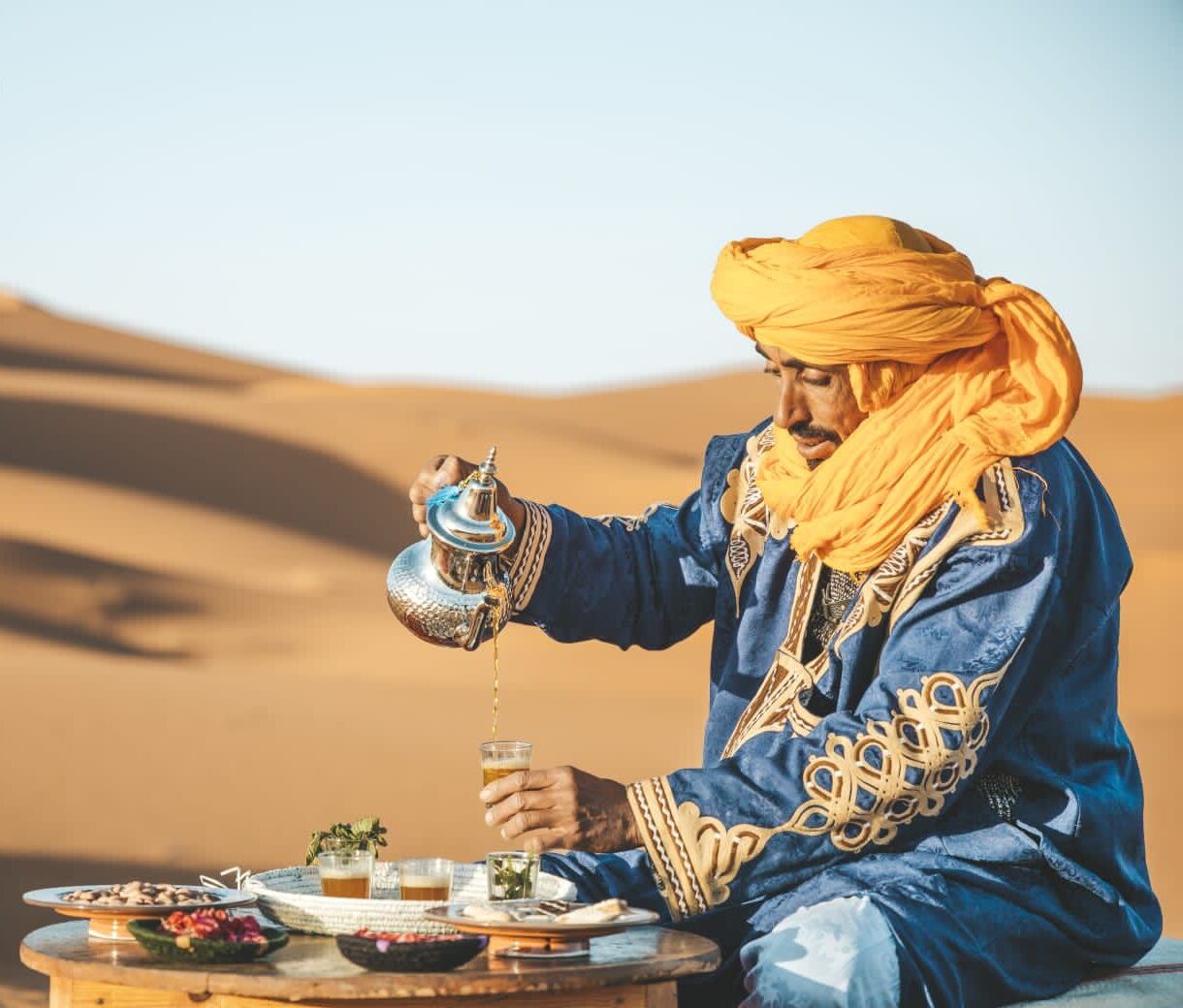
Merzouga Desert Camp Activities: The Complete Guide
When you imagine a desert adventure in Morocco, you're probably picturing golden sand dunes stretching endlessly toward the horizon, the silence broken only by the gentle footsteps of camels, and nights so clear you can see the Milky Way in stunning detail. The reality of staying at a Merzouga desert camp exceeds most expectations because the Sahara offers far more than just scenic beauty—it's a destination that engages all your senses and connects you to centuries of Berber culture and desert traditions.
If you're planning a trip to Merzouga and wondering what to do during your stay, you've come to the right place. This comprehensive guide will walk you through all the incredible Merzouga desert camp activities and excursions available, helping you plan the perfect desert experience tailored to your interests and energy levels.
Understanding Merzouga and Erg Chebbi
Before diving into specific activities, it helps to understand where you're going. Merzouga is a small village in southeastern Morocco, positioned on the edge of one of the Sahara's most spectacular dune systems: Erg Chebbi. This isn't just any desert—it's a place where dunes reach heights of 150 meters, where the landscape changes color throughout the day, and where the desert has shaped human culture for millennia.
The region sits at an elevation of about 800 meters, making it slightly cooler than lower-lying desert areas. During summer months (June-August), temperatures can exceed 45°C (113°F), while winter nights can drop to near freezing. Most visitors plan their trips during spring (March-May) or fall (September-November) when conditions are most comfortable for outdoor activities.
Erg Chebbi is part of a larger trans-Saharan trade route network that connected West Africa with Mediterranean ports for centuries. This history permeates everything you'll experience, from the Berber guides who lead excursions to the traditional hospitality of camp hosts.
Classic Camel Trekking Experiences
Camel trekking is undoubtedly the cornerstone of Merzouga desert camp activities, and for good reason. There's something primal and memorable about traversing sand dunes on a camel—a mode of transportation that's been used in these exact locations for over a thousand years.
Half-Day Camel Treks
If you're new to camel riding or have limited time, a half-day trek offers an excellent introduction. These typically depart in the early morning or late afternoon, lasting three to four hours. You'll head out across the dunes, experiencing the rhythm of camel travel while building your confidence in the saddle.
The morning half-day treks have a particular appeal. You'll set out as the sun rises, watching the dunes transition from cool blues and purples to warmer golds and oranges. Your Berber guide will point out indigenous desert plants, explain how nomadic communities navigate without modern tools, and share stories about desert life. At Original Desert Camp, these treks are carefully paced to ensure both comfort and genuine exploration of the dune system.
Afternoon treks build toward the magical golden hour, when the sun hangs low and casts long shadows across the sand, creating dramatic photography opportunities and an almost dreamlike quality to the landscape.
Full-Day Camel Expeditions
For a more immersive experience, full-day camel treks venture deep into Erg Chebbi. You'll start early morning and spend 6-8 hours in the saddle (with breaks), traveling to remote dune systems and perhaps reaching hidden oases or traditional Berber encampments.
These longer journeys require more physical preparation, but they offer unparalleled access to the desert's interior. You'll experience the profound silence of the Sahara away from main routes, encounter wildlife adapted to harsh conditions, and develop a deeper appreciation for the environment.
Most full-day treks include a lunch prepared and served in the shade of an isolated dune, where you'll eat traditional Berber food while resting before the return journey. This midday break is crucial—it allows your body to recover and gives you time to simply sit and absorb your surroundings.
Multi-Day Desert Expeditions
Some visitors spend 2-3 days or more on camel trek expeditions, sleeping in traditional Berber camps under the stars. These immersive journeys take you far beyond the main tourist circuits into the deepest parts of the Sahara. You'll experience nomadic desert life, learn to navigate by stars, and connect with local Berber communities in meaningful ways.
If you choose this option, prepare for a genuinely rustic experience. Accommodation consists of simple traditional tents, and facilities are minimal. However, the reward is an authentic glimpse into how people have lived in harmony with the desert for centuries.
Exploring the Dunes on Foot
Not everyone wants to spend hours on camel back, and that's completely fine. Walking through sand dunes offers its own unique rewards and is one of the best Merzouga desert camp activities for those seeking a more personal connection with the landscape.
Guided Desert Walks
Early morning and sunset walks with experienced guides reveal details you'd miss from camel height. Your guide will point out desert survival techniques, show you which plants provide water and nutrition, explain animal tracks, and share Berber history and culture. These walks typically last 1-3 hours and can be adjusted to your fitness level and interests.
Walking through sand dunes is more physically demanding than it might seem—your feet sink slightly with each step, requiring more effort than walking on solid ground. However, guides at reputable camps like Original Desert Camp know how to pace walks appropriately, building in rest breaks and ensuring you stay hydrated.
Sunrise and Sunset Photography Walks
If photography is your passion, dedicated sunrise and sunset walks with a guide who understands light and composition can transform your visit. The Sahara offers dramatic natural lighting that professional photographers travel specifically to capture. Early morning light, in particular, creates stunning contrasts between the textured sand and clear sky.
Exploring Hidden Valleys and Formations
Beyond the main dune systems lie hidden valleys, rock formations, and geological features that tell the story of how the Sahara formed. Guides can lead you to these lesser-known spots where you might encounter fossils, witness unique rock formations, or find natural sources of water that have sustained desert life for millennia.
Immersive Cultural Experiences
The Merzouga region is home to Berber communities whose ancestors have inhabited these deserts for generations. Many desert camps, including Original Desert Camp, facilitate meaningful cultural exchanges that go beyond superficial tourism.
Traditional Berber Cooking Classes
Several camps offer cooking classes where you'll learn to prepare traditional Moroccan and Berber dishes. You might make tagine (a slow-cooked stew), prepare fresh bread in traditional ovens, and learn about the spices and ingredients that define North African cuisine. These classes provide authentic cooking techniques you can recreate at home while deepening your appreciation for local culinary traditions.
Berber Music and Storytelling Evenings
Gather around a campfire for traditional Berber music, played on instruments like the oud and bendir drum. Local musicians share stories through song, many of which date back centuries. These evenings create an atmosphere of genuine connection, especially when facilitated by camp staff with real community ties.
Meeting Local Families
Some camps arrange visits to nearby Berber villages or family encampments. These interactions—when done respectfully and ethically—offer insights into how desert communities actually live, their values, and their responses to modern changes affecting traditional nomadic life.
Nighttime Activities and Stargazing
The Sahara's lack of light pollution makes it one of Earth's best destinations for observing the night sky. Many visitors rank nighttime stargazing as the highlight of their desert camp experience.
Professional Stargazing Experiences
Some camps partner with astronomers or knowledgeable guides to offer structured stargazing sessions. Using telescopes and naked-eye observation, you'll learn to identify constellations, planets, and star clusters. On clear nights, you can see Jupiter's moons, Saturn's rings, and the Andromeda Galaxy with the right equipment.
Informal Stargazing and Astronomy
Even without professional guides, simply lying on the sand and looking up at the night sky is profoundly moving. The sheer number of visible stars—thousands more than from light-polluted cities—creates an almost overwhelming sense of perspective and wonder. Many visitors spend hours simply stargazing, talking with fellow travelers, and contemplating the vastness of the universe.
Night Photography
If you're into photography, the night sky offers incredible opportunities. The Milky Way becomes visible in detail, and with proper camera settings, you can capture stunning images of the galaxy stretching across the sky above the dunes.
Adventure Activities and Water-Based Experiences
While the Sahara is primarily a desert environment, creative camp operators have developed additional activities that add variety to your stay.
Sandboarding and Sand Sledding
On appropriate dunes, guides can teach sandboarding techniques, or you can simply sled down steep slopes on basic sleds. This playful activity combines physical challenge with childlike fun, offering a different way to engage with the dune landscape.
Quad Biking Excursions
Some camps offer quad bike (ATV) rentals for those interested in a motorized alternative to camel trekking. These excursions cover more ground in less time, ideal if your schedule is limited or if you prefer motorized transport. However, note that this option has more environmental impact than traditional methods.
Visiting Natural Oases
Merzouga sits near several natural oases—the most accessible being the small lake at Erg Chebbi's edge. While not the lush paradise depicted in movies, these water sources provide essential respite in the desert and offer swimming opportunities. The water is cool and refreshing, making a midday swim a welcome relief during warm seasons.
Photography and Nature Documentation
Beyond specific photography walks, the entire Merzouga experience is inherently visual and offers endless opportunities for documentation.
Landscape and Macro Photography
The Sahara rewards both wide-angle landscape photographers and macro enthusiasts interested in desert flora and fauna. Guides familiar with photography can position you for optimal light and help identify interesting subjects.
Wildlife Photography
While the Sahara might seem devoid of life, patient observers spot desert foxes, jerboas, scorpions, and various bird species. Early morning and dusk are best for wildlife observation and photography.
Documenting Human Elements
If cultural photography interests you, seek explicit permission before photographing local people. Many guides and camp staff are happy to be photographed, and some communities welcome respectful documentation of their daily lives and traditional practices.
Relaxation and Wellness Activities
Not every moment needs to be packed with activities. Many visitors come to the desert specifically for the restorative power of peace and silence.
Meditation and Mindfulness Practices
The desert's vastness and silence create ideal conditions for meditation. Many camp staff can suggest quiet spots perfect for personal reflection, and some camps offer guided meditation or yoga sessions.
Wellness Treatments
Luxury camps often offer spa treatments using natural ingredients—argan oil, desert plants, and traditional Moroccan techniques. A massage under the stars or a traditional hammam (steam bath) experience can complete your relaxation.
Digital Detox Time
Beyond scheduled activities, simply allocating time to disconnect from technology and be present in the moment is profoundly valuable. Many visitors describe their desert camp stay as transformative specifically because they unplugged from constant connectivity.
Planning Your Merzouga Desert Camp Activities
To make the most of your time at a Merzouga desert camp, consider these planning factors:
Timing and Seasons
Your visit timing affects which activities are most enjoyable:
Spring (March-May): Warm but not hot, excellent for all activities, wildflowers bloom, and the light is outstanding.
Summer (June-August): Very hot (45°C+), limiting daytime activities but offering extreme beauty and smaller crowds.
Fall (September-November): Similar to spring—warm, comfortable, and ideal for outdoor activities.
Winter (December-February): Cool to cold, especially at night, but clear skies and fewer tourists make it increasingly popular.
Physical Fitness Considerations
Honestly assess your fitness level. Camel riding requires core strength and balance, hiking across dunes demands cardiovascular fitness, and the altitude and heat add challenge. Choose activities matching your abilities, and don't hesitate to inform guides about any physical limitations.
Time Available
A one-night stay limits you to evening arrival, next morning activities, and afternoon departure. Two nights allow a more balanced experience with morning and evening excursions. Three or more nights enable longer expeditions and deeper cultural engagement.
Interest Alignment
Prioritize activities matching your actual interests rather than feeling obligated to do everything. A photography enthusiast will find more value in a sunrise shoot and golden hour session than rushing through multiple activities. A culture-focused traveler should dedicate time to conversations with Berber families and learning traditional skills like tagine cooking or carpet weaving. Adventure seekers might prioritize sandboarding, longer camel treks, or night-time stargazing expeditions.
Final Thoughts
Your desert experience at Original Desert Camp should be a reflection of your desires, not a checklist of activities. By considering season, fitness level, available time, and genuine interests, you'll craft a meaningful stay that resonates long after you've left the dunes. The Sahara rewards those who come with intention, curiosity, and an openness to its timeless rhythms.