
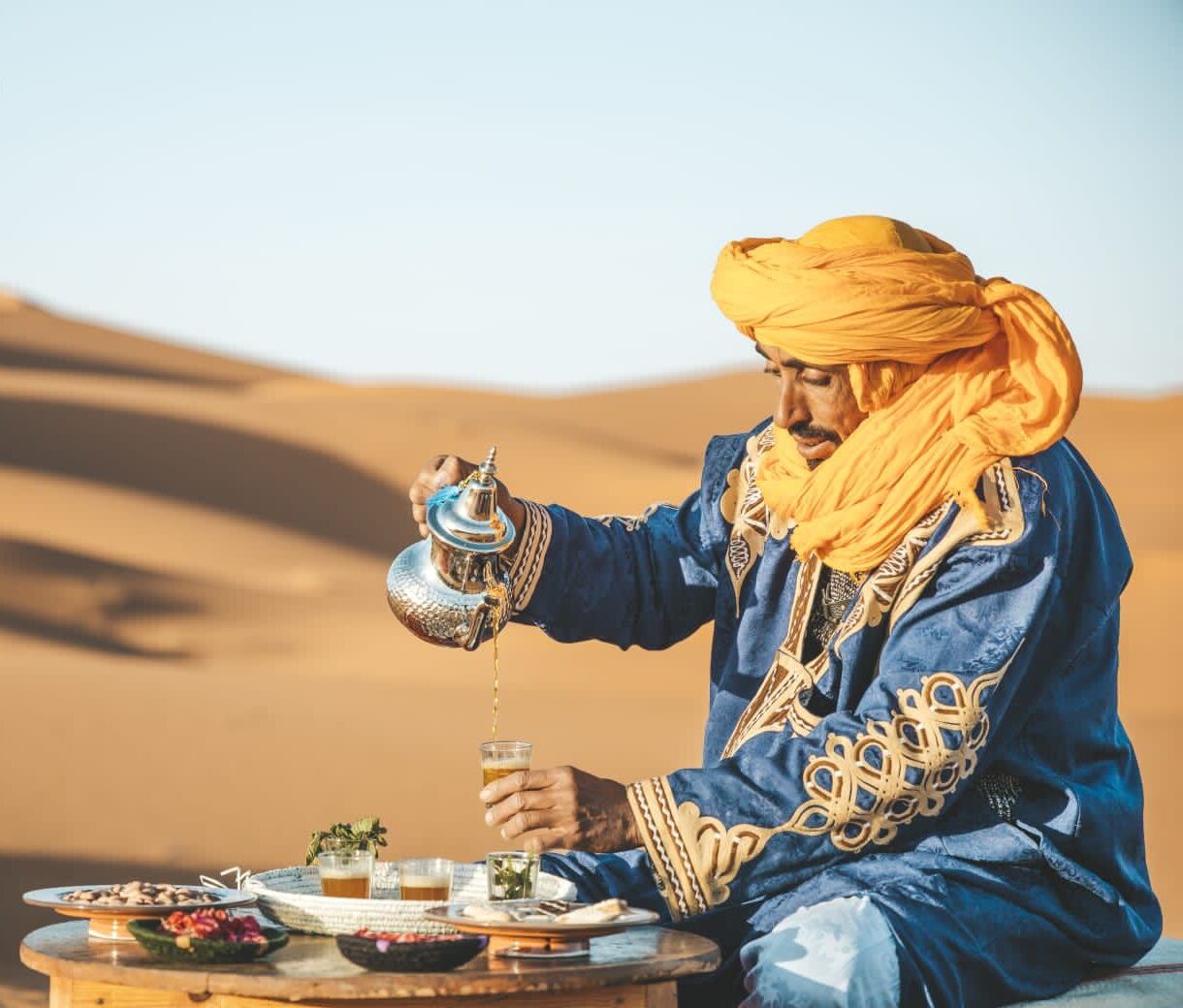
Merzouga Desert Camp in Autumn: Why September to November is Perfect
When most travelers think about visiting the Sahara Desert, they often picture blazing summer heat or the romantic chill of winter nights. But autumn—those magical months from September through November—might just be the best-kept secret for experiencing a Merzouga desert camp at its finest. If you've been wondering when to book your Saharan adventure, this is your sign to plan an autumn escape.
The transition seasons in Morocco are often overlooked, yet they offer something that peak season simply cannot: the perfect balance of comfort, natural beauty, and authentic experience. At Original Desert Camp in Erg Chebbi, we've seen firsthand how autumn transforms the desert into an ideal destination for travelers of all kinds.
Why Autumn Matters in the Merzouga Desert
The Sahara is famously unforgiving during summer months. Temperatures regularly exceed 45°C (113°F), making outdoor activities challenging and potentially dangerous. Winter, while cooler, brings its own complications—chilly mornings, occasional rain, and unpredictable weather patterns that can disrupt plans.
Autumn occupies the sweet spot. September through November represents a gradual cooling period where the desert transitions from scorching to supremely comfortable. This isn't just about temperature readings on a thermometer; it's about how that climate transforms your entire experience in the Merzouga desert camp.
Understanding Merzouga's Autumn Climate
September: The Transitional Month
September marks the beginning of autumn in Merzouga, though it arrives later here than in most parts of the Northern Hemisphere. During this month, daytime temperatures typically range between 35-38°C (95-100°F), a significant drop from summer's oppressive heat. While this might still sound warm, the difference is remarkable when you're actually in the desert.
What makes September special is the shift in humidity and wind patterns. The stifling, still heat of August gives way to gentler breezes that make evenings particularly pleasant. By September, many of the summer tourists have departed, meaning the Merzouga desert camp experience becomes noticeably less crowded.
The nights in September still retain some warmth from the day's residual heat, typically cooling to around 20-22°C (68-72°F). This makes sleeping in traditional Berber tents comfortable without requiring excessive layers.
October: The Goldilocks Month
October is often considered the perfect month for Merzouga desert camp visits. Daytime temperatures hover between 28-32°C (82-90°F)—genuinely pleasant for outdoor exploration. This is the temperature range where you can spend hours trekking, photographing dunes, and engaging with the landscape without concern for heat-related issues.
Nights in October cool to approximately 15-18°C (59-64°F), creating that magical desert experience travelers dream about. You'll experience the crisp morning air, the brilliant clarity of the night sky, and comfortable sleeping conditions in traditional accommodation.
October also benefits from extremely stable weather patterns. Rainfall is virtually nonexistent, visibility is excellent for photography and stargazing, and the atmospheric conditions create some of the most spectacular desert colors throughout the day.
November: Extended Comfort
November brings slightly cooler temperatures, with daytime averages between 24-28°C (75-82°F). This month marks the transition into winter, yet it retains much of autumn's pleasantness without the extreme cold of December and January.
November nights typically range from 10-14°C (50-57°F), introducing the need for warmer blankets and layers, but creating that quintessential desert chill that many travelers find enchanting. The cooler mornings mean that sunrise hikes become invigorating rather than sweat-soaked endurance tests.
The Practical Advantages of Autumn at Merzouga
Lower Tourist Crowds
Peak season in Merzouga runs from November through March, with December and January being the absolute busiest months. By visiting in early autumn (September-October), you escape the massive influx of tourists that characterizes winter season travel.
This has profound implications for your experience. At a property like Original Desert Camp, the difference is palpable. Staff can provide more personalized attention. Camel trekking routes feel intimate rather than crowded. Photography opportunities aren't compromised by crowds of other visitors. The Sahara reveals itself more authentically when you're not competing with dozens of other tour groups.
Cost Advantages
Traveling in autumn means avoiding peak-season pricing. Hotels, camps, and tour operators typically offer more competitive rates from September through early November. This means your desert experience becomes more accessible without sacrificing quality.
Many desert camps, including Original Desert Camp, maintain their high standards of service and comfort regardless of season, but autumn rates reflect lower overall demand. You're getting the same exceptional experience at a fraction of peak-season costs.
Better Photography Opportunities
If photography is part of your travel aspirations, autumn offers distinct advantages. The lower tourist density means cleaner landscape shots without photobombing travelers. The lighting conditions during autumn are particularly favorable—the sun angles create dramatic shadows and warm tones across the sand dunes, especially during golden hour photography sessions.
The clearer skies of autumn also mean superior night sky photography. The darkness is truly dark—not washed out by dust or atmospheric moisture—creating ideal conditions for capturing the Milky Way and desert stars.
Optimal Activity Conditions
Every activity that defines a Merzouga desert camp experience becomes more enjoyable in autumn:
- Camel trekking: September and October temperatures make multi-hour camel journeys genuinely pleasant rather than endurance challenges
- Dune exploration: Hiking the sand dunes is invigorating rather than exhausting
- Sunset and sunrise viewing: These moments become meditation rather than rushing to escape heat
- Berber village visits: Walking through villages and engaging with locals is comfortable and respectful
The Authentic Merzouga Experience in Autumn
Berber Culture and Seasonal Rhythms
Visiting in autumn aligns you with the natural rhythms of Berber communities around Merzouga. September and October mark the end of the intense summer period. Local families emerge from their heat-management routines, social gathering increases, and the landscape prepares for seasonal transitions.
This timing means you're more likely to witness authentic community life rather than tourist-centered performances. Markets are busier with locals. Children attend school. Extended family gatherings increase. These organic moments of cultural exchange often prove more meaningful than structured cultural activities.
Agricultural and Seasonal Changes
The desert around Merzouga, while arid, follows subtle seasonal patterns. Autumn brings evidence of recent moisture from scattered summer rains. Certain plants produce their fruits in late summer, and autumn is when date harvests occur in nearby oases like Tafilalet.
Visiting a Merzouga desert camp in autumn means potentially witnessing these agricultural activities. At Original Desert Camp, guides can arrange visits to working date palm groves during harvest season, providing context for Berber livelihoods and desert resource management that most visitors never experience.
Practical Planning for Your Autumn Merzouga Visit
What to Pack for September-November
Even though autumn is more comfortable than summer, the desert remains the desert. Here's what you'll actually need:
Daytime clothing: Lightweight, breathable fabrics in neutral colors that won't absorb heat. Sun protection is still essential—the UV index remains high despite moderate temperatures. Wide-brimmed hats and sunglasses are non-negotiable.
Layers for evenings: Starting in late October, evening temperatures drop noticeably. Pack a lightweight fleece, cardigan, or scarf. By November, you'll appreciate a warmer layer for nighttime.
Footwear: Comfortable hiking boots for dune exploration, plus sandals for camp. The sand is cooler in autumn, making barefoot walking on dunes more pleasant than in summer.
Sun and skin protection: High SPF sunscreen, lip balm with SPF, and sunglasses remain essential. The desert sun is relentless regardless of season.
Photography gear: If you're serious about capturing the desert, bring extra memory cards and batteries. The clear skies and dramatic lighting of autumn deserve your best equipment.
Best Times Within the Autumn Window
If you must choose specific dates:
- Early September: Ideal if you want to avoid summer heat while maintaining warm nighttime temperatures. Great for photographers seeking dramatic light.
- Mid to late October: The sweet spot. Perfect temperatures, stable weather, moderate pricing, and peaceful conditions.
- Early November: Excellent for those who prefer cooler conditions and don't mind warmer layers. Still benefits from autumn's advantages.
Avoid late November if you want to maintain autumn's lower crowds—this is when peak season begins.
The Original Desert Camp Experience in Autumn
Original Desert Camp, located in the heart of Erg Chebbi near Merzouga, operates at full capacity and quality year-round. But autumn visits offer something special.
The camp's traditional Berber tents remain comfortable in autumn temperatures without requiring the intensive cooling strategies needed in summer. Outdoor activities—from camel trekking to dune exploration—happen during the day's most enjoyable hours.
Evening gatherings around the camp's fire become more comfortable, allowing for extended storytelling, stargazing, and cultural exchange. Dinner preparations, often challenging in summer heat, become smoother, and the dining experience is more relaxed.
The camp's Berber staff, who've endured the summer season's intensity, often have more energy and enthusiasm in autumn. Guides share stories with renewed vigor. Musicians perform with greater joy. The entire experience has a lighter, more joyful quality.
Health and Safety Considerations
Heat Management
While autumn is significantly cooler than summer, you're still in a desert. Heat management remains relevant, particularly in September:
- Drink consistently throughout the day, even if you don't feel thirsty
- Eat regular meals to maintain energy
- Use sun protection without fail
- Take breaks during the hottest parts of the day (typically 12-3 PM)
- Rest adequately at night
Health Precautions
Standard travel health precautions apply year-round:
- Consult your doctor before traveling about vaccinations
- Travel insurance is highly recommended
- Stay hydrated and maintain good hygiene
- Bring any necessary medications plus extras
- The camp provides potable water and basic medical supplies
Physical Activity Level
Autumn's comfortable temperatures make physical activity feel easier, which can lead to overexertion. Remember that:
- Altitude and intense sun exposure can still cause fatigue
- Take time to acclimatize, especially if arriving from sea level
- Listen to your body and communicate with guides about your activity level
- The desert demands respect regardless of season
Seasonal Weather Patterns and What to Expect
Precipitation
Autumn typically remains dry. The Sahara receives minimal rainfall year-round, and autumn is generally no exception. However, by late autumn, occasional scattered showers become possible—adding drama and freshness to the landscape rather than causing problems.
Wind
Desert wind can occur any time, but autumn winds are generally gentler than summer's intense thermal winds. The atmosphere feels calmer, allowing for clearer visibility and more pleasant outdoor time.
Sky Clarity
Autumn skies tend to be remarkably clear. Dust particles settle, and atmospheric conditions favor excellent visibility for landscape photography and stargazing. The night sky reveals itself in stunning clarity.
Activities That Shine in Autumn
Camel Trekking
Camel trekking remains the quintessential Merzouga experience, and autumn is when it reaches its peak. Multi-hour treks that feel dangerous in summer heat become meditative journeys. You can actually appreciate the landscape, engage with your guide, and experience the desert's majesty without heat distraction.
Dune Exploration and Photography
Whether hiking to vantage points or exploring distinctive dune formations, autumn conditions are ideal. The light is beautiful without being oppressive. Your camera equipment won't overheat. You can spend hours in the dunes enjoying the experience rather than rushing to escape heat.
Stargazing
Few experiences match the clarity of Saharan night skies. In autumn, when the air is clear and free from excessive dust, the stars are simply breathtaking. At Original Desert Camp, evening stargazing becomes magical—guides can identify constellations and share Berber astronomical traditions under essentially unlimited stars.
Cultural Interactions
Visiting during autumn means engaging with local communities at more natural paces. Markets, villages, and daily life aren't organized around tourist expectations. Your interactions feel more authentic, more meaningful, and less transactional.
Sunrise and Sunset
These are universally beautiful moments, but autumn light creates particularly spectacular colors. The low angle of the sun creates dramatic shadows across dunes, turning the landscape into a natural light show during these golden hours.
Preparing Your Mental Expectations
Visiting the Sahara in autumn requires adjusting your expectations compared to summer visits. The desert won't feel crowded, which some travelers find refreshing while others may miss the energy of peak season. You'll encounter fewer organized tour groups, meaning more personalized attention from guides at Original Desert Camp and a genuinely intimate experience of the landscape.
Weather-wise, expect cool mornings and evenings—bring layers. Daytime temperatures are comfortable for active exploration, but nights can dip surprisingly low. This is actually ideal for sleep quality and for enjoying evening activities around the camp's fire without excessive heat.
Prepare yourself for the possibility of occasional rain, particularly in November. While uncommon, brief showers can occur and actually transform the desert landscape, bringing out fresh vegetation and creating temporary water pools that reflect the sky beautifully.
Final Thoughts
Autumn represents the sweet spot for Sahara travel—warm enough for comfort, cool enough for genuine exploration, and blessed with crystal-clear skies and golden light. At Original Desert Camp, this season allows you to experience the desert as it truly is: a place of profound beauty, cultural richness, and natural wonder. Whether you're a first-time visitor or returning to deepen your connection with the Sahara, autumn offers the perfect conditions for creating unforgettable memories in one of the world's most iconic landscapes.