
Berber Music Evenings at a Merzouga Desert Camp
When the sun dips below the golden dunes of Erg Chebbi and darkness settles over the Sahara, something magical happens at desert camps throughout Merzouga. The rhythmic beating of drums echoes across the sand, haunting melodies drift through the night air, and the Berber culture comes alive in ways that no guidebook can adequately describe. A Berber music evening at a Merzouga desert camp is more than just entertainment—it's a gateway into centuries of nomadic tradition, a sensory experience that connects you to the soul of North Africa.
Whether you're planning your first desert adventure or returning to the Sahara, understanding what to expect from these cultural evenings will help you appreciate the authenticity and significance of this timeless tradition. Let me walk you through everything you need to know about experiencing authentic Berber music in Merzouga.
What Makes Berber Music So Special
The Cultural Heart of the Sahara
The Berber people, also known as Amazigh, have inhabited North Africa for thousands of years. Their music isn't merely a form of entertainment—it's a living archive of history, wisdom, and cultural identity passed down through countless generations. Every melody carries stories of desert life, love, hardship, and celebration.
Berber music serves purposes that go far beyond what we might consider "performance" in Western contexts. Traditionally, these songs accompanied daily work, marked important life events, preserved historical accounts, and strengthened community bonds. When you listen to Berber musicians perform in Merzouga, you're witnessing something that has remained relatively unchanged for centuries, even as the modern world encroaches on desert traditions.
The beauty of experiencing Berber music at a Merzouga desert camp lies in its authenticity. Unlike staged performances in hotels or tourist venues, the music you hear during evening gatherings often reflects genuine cultural expression. Many musicians performing at camps like Original Desert Camp are from local Berber communities and bring genuine passion to their craft.
Regional Variations and Styles
It's important to understand that "Berber music" isn't monolithic. The various Berber ethnic groups across Morocco, Algeria, and other parts of North Africa have developed distinct musical styles and traditions. In the Merzouga region, you'll primarily encounter the music of the Ait Atta Berbers and the Reguibat tribe, each with their own characteristic sounds and instruments.
The music of the eastern Sahara near Merzouga tends to be particularly energetic and rhythmic, reflecting the nomadic lifestyle of desert dwellers. Songs often feature fast-paced drumming, call-and-response vocals, and instruments designed to be portable and durable for nomadic peoples.
Traditional Instruments You'll Encounter
The Bendir Drum
One of the most iconic instruments you'll hear during a Berber music evening at any Merzouga camp is the bendir—a frame drum that produces sharp, resonant sounds. The bendir is typically about 50 centimeters in diameter and is struck with a wooden stick called an "agrav." The technique requires significant skill; experienced musicians can produce complex rhythmic patterns that form the backbone of many traditional songs.
The bendir's role in Berber music is somewhat similar to the bass line in Western music—it establishes the rhythm and tempo that everything else builds upon. Watching a skilled bendir player perform is mesmerizing; their hands move in patterns that seem impossibly fast, yet they maintain perfect precision and control.
The Guembri (Sintir)
This three-stringed bass lute has a hypnotic quality that captivates audiences. The guembri produces deep, resonant tones that seem to vibrate through your entire body when you're sitting close to a performer. The instrument features a distinctive head traditionally made from camel skin stretched over a wooden body, and the strings are played with a picking or strumming motion.
The guembri holds significant cultural importance; it has been associated with various musical traditions across North Africa and has particular significance in Gnawa music, though the version played in Merzouga camps may differ slightly from coastal varieties.
The Oud
This ancient lute-like instrument produces warm, melancholic tones that can convey profound emotion. The oud features a pear-shaped wooden body and a long neck with multiple strings. Playing the oud requires considerable technical skill, and master oud players are highly respected in Berber communities.
The Taarija
A single-stringed bowed instrument that produces hauntingly beautiful melodies, the taarija showcases the sophistication of Berber musical traditions. This instrument is less commonly seen than some others but creates an unforgettable sonic experience when performed by a skilled musician.
Percussion and Hand Drums
Beyond the bendir, you'll encounter various other percussion instruments, including frame drums and hand-held drums. These might include the tar (a single-sided frame drum), the darbuka (a goblet-shaped drum), and the riq (a small frame drum with jingles). Musicians often use combinations of these instruments to create layered, complex rhythmic patterns.
What to Expect During a Berber Music Evening
The Typical Evening Flow
When you arrive at a desert camp like Original Desert Camp for an evening performance, the experience typically unfolds in a particular way that has been refined over generations. As the sun sets and temperatures become comfortable, guests gather in the central courtyard or entertainment area of the camp. This is usually a semi-open space with cushions and low seating arranged to create an intimate atmosphere.
The performance often begins with introductory pieces that are somewhat gentler, allowing the audience to settle in and adjust to the music. These opening songs might be traditional pieces that tell stories or set a particular mood. As the evening progresses, the tempo and energy typically increase, building toward more celebratory pieces that often encourage audience participation.
Most camps provide some context or introduction to the music before performances begin. This might include explanations of what specific songs mean, information about the musicians, or background on particular traditions. At Original Desert Camp, guides often enhance this experience by sharing cultural insights that deepen your appreciation for what you're hearing.
The Participatory Nature
One of the most memorable aspects of a Berber music evening is that it's not purely a spectator experience. As the night progresses and musicians warm up the crowd, guests are often invited to participate. This might mean clapping along to rhythms, dancing, or in some cases, learning basic steps to traditional dances.
Don't worry if you feel self-conscious—the atmosphere at authentic desert camps is remarkably welcoming and non-judgmental. The Berber musicians genuinely enjoy sharing their culture and appreciate when guests make sincere efforts to engage. Some of the most joyful moments during these evenings come when visitors overcome their hesitation and participate in the music and dancing.
Duration and Pacing
A typical Berber music evening at a Merzouga desert camp lasts between two to three hours, though this can vary depending on the camp's schedule and the performers' energy. The performance is usually structured to maintain audience interest with variations in tempo, style, and intensity throughout.
Most camps integrate the music evening as part of a broader evening experience that might include dinner beforehand and opportunities for socializing afterward. The music often creates a natural focal point for the evening that brings together guests from different backgrounds and cultures.
The Instruments and Stories Behind Them
Sacred and Secular Traditions
Berber music encompasses both sacred and secular traditions. Some songs are connected to Islamic spiritual practices and might be performed during particular seasons or celebrations. Others are purely secular, celebrating love, nature, daily life, or important historical events.
The distinction between sacred and secular music in Berber tradition isn't always clear-cut; many pieces blend spiritual and cultural elements. Understanding this nuance helps you appreciate the depth of what you're experiencing during a Merzouga desert camp music evening.
Improvisation and Tradition
While Berber music has deep traditional roots, it's not entirely rigid. Skilled musicians often incorporate improvisation, creating variations on traditional themes. This balance between honoring established traditions and allowing for creative expression is part of what keeps the music vital and relevant across generations.
When you watch musicians perform at a desert camp, you might notice that the same song played on different nights has subtle variations. This flexibility is a feature, not a bug—it reflects the living, breathing nature of Berber musical tradition.
The Sensory Experience Beyond Sound
The Atmosphere and Setting
The location where Berber music is performed significantly impacts your experience. The desert setting itself becomes part of the performance. The vast open sky, the stars emerging overhead, the cool night air, and the gentle sound of wind across sand all create a sensory environment that enhances the music.
At Original Desert Camp, the positioning of the entertainment area has been thoughtfully designed to maximize this integration of music with landscape. Seated among the dunes with the night sky overhead, even those who might not be particularly drawn to music in other contexts often find themselves profoundly moved.
The Social Dimension
Music in Berber culture is inherently communal. The evening experience at a Merzouga desert camp recreates this sense of community gathering. Around you, you'll encounter people from various countries and backgrounds, unified in the moment by the power of music and shared cultural experience.
This communal aspect often leads to genuine connections between travelers and with local musicians and camp staff. Conversations naturally flow during and after performances, and the shared experience of the evening creates bonds that extend beyond the typical tourist-guide relationship.
Complementary Cultural Elements
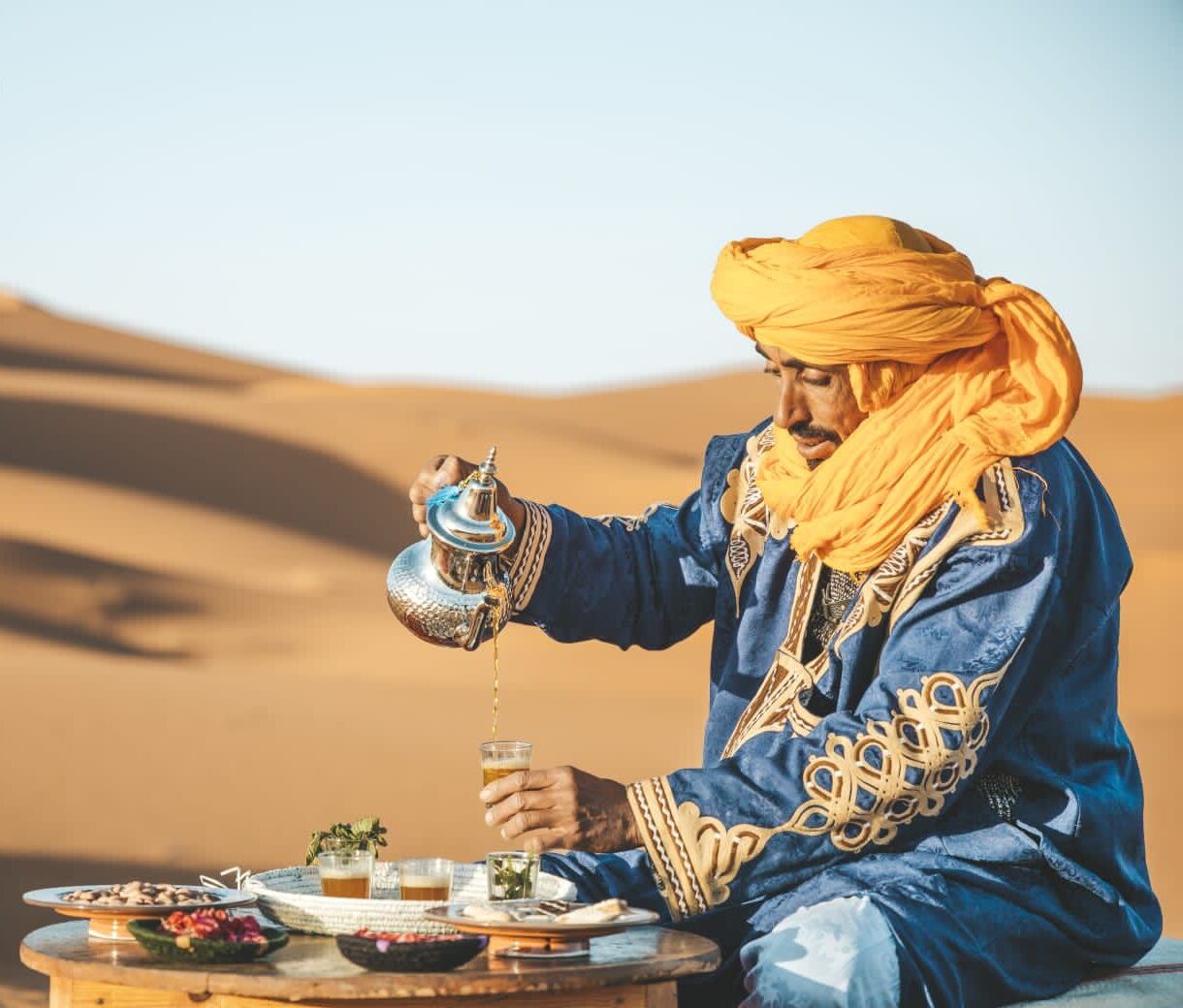
Most desert camps enhance the music evening with additional cultural elements. You might enjoy traditional Berber tea and snacks, learn about local customs, or see demonstrations of traditional crafts. Some camps incorporate storytelling or poetry into the evening, further enriching the cultural experience.
Practical Considerations for Your Visit
Best Time to Visit for Music Evenings
Berber music evenings are offered year-round at most Merzouga desert camps, but the comfort level of your experience varies by season. The ideal times are late autumn (October-November) and early spring (March-April) when temperatures are moderate and evening gatherings are genuinely comfortable.
During summer months (June-August), while music evenings still occur, the extreme heat means you'll be much more focused on managing temperature than on fully savoring the experience. Winter evenings can be quite cold in the Sahara, so bring appropriate layers if you visit during these months.
What to Wear
Dress in layers that you can remove as the evening progresses and the ambient temperature changes. The desert can be surprisingly cool at night, especially in winter. Additionally, consider cultural sensitivity—while camps like Original Desert Camp are accustomed to international visitors, it's respectful to dress modestly, particularly during the earlier parts of the evening before the atmosphere becomes more relaxed and participatory.
Comfortable shoes or sandals are important since you might be invited to dance or move around. Some guests prefer to go barefoot on the sand, which is also acceptable if you're comfortable doing so.
Photography and Respectful Documentation
Most musicians at Merzouga desert camps are accustomed to and accepting of photography, but it's always courteous to ask before taking photos, particularly if you plan to share them on social media or use them publicly. Some performers appreciate a small donation in exchange for photo opportunities.
Rather than spending the entire evening behind a camera, though, consider capturing a few moments and then putting the device away. The ephemeral, in-the-moment nature of live music is part of what makes it special. You'll likely find that your memories of the experience are more vivid than any video you could record.
Preparing Yourself Culturally
Learning Basic Context
Before your visit, spend time learning about Berber history and culture. Understanding the context of what you're experiencing deepens your appreciation immensely. Read about the Amazigh people, their history, their relationship with the Sahara, and their contemporary cultural movements.
Many travel websites and cultural organizations provide good introductory resources. This pre-visit learning transforms a pleasant evening into a meaningful cultural encounter.
Understanding the Significance
Remember that you're not just being entertained; you're witnessing the expression of a living culture. Approach the experience with respect and genuine curiosity rather than treating it as exotica or background ambiance for your desert adventure.
The musicians performing at camps like Original Desert Camp have often chosen to share their cultural traditions with international visitors. Honoring this generosity through attentive appreciation and respectful participation enriches everyone's experience.
Beyond the Performance: Deepening Your Understanding
Conversations with Musicians
Many Merzouga desert camps facilitate direct interactions between guests and performers. If the opportunity arises to speak with musicians after their performance, take it. Genuine conversations often reveal personal stories, the significance of particular songs, or details about instrument-making techniques.
These conversations might be brief due to language barriers or time constraints, but even small exchanges can be meaningful. If you speak French, you may find communication easier, as French is widely spoken in Morocco.
Exploring the Local Music Scene
then branch out beyond your camp experience. Merzouga's small town center has local cafés where traditional music might be playing, and the surrounding region hosts occasional festivals and gatherings where you can encounter music in its natural community context.
If you're visiting during a cultural festival—such as those celebrating Amazigh heritage—you'll witness performances that aren't specifically designed for tourists, giving you a more authentic glimpse into how these musical traditions function within their own communities.
Learning Basic Berber Phrases
Music becomes even more engaging when you understand a few words in Tamazight, the Berber language. Learning simple greetings and musical terminology can deepen your connection to what you're hearing. Camp staff and musicians are typically delighted when guests make this effort, and it demonstrates genuine respect for the culture.
This small investment of time transforms your experience from passive consumption to active cultural engagement, making your desert stay far more meaningful than typical tourist interactions.
Final Thoughts
The Berber music performances at Original Desert Camp offer far more than entertainment—they're windows into centuries of cultural heritage, artistic innovation, and the vibrant identity of Morocco's indigenous peoples. By approaching these experiences with respect, curiosity, and genuine engagement, you transform a memorable evening under the stars into a profound cultural exchange. Your time in Merzouga becomes not just a vacation, but an opportunity to connect with real people, real stories, and a living tradition that continues to thrive in the heart of the Sahara.