
Merzouga Desert Camp Camel Ride: What to Expect from a Sahara Camel Ride
There's something profoundly magical about the moment your camel takes its first swaying step across the golden sand of Erg Chebbi. As you rise above the dunes in the early morning light, the Sahara stretching endlessly in every direction, you'll understand why travelers have journeyed to Merzouga for centuries. A camel ride in the desert isn't just a tourist activity—it's a transformative experience that connects you to the rhythm of desert life and the timeless traditions of the Berber people.
Whether you're planning your first desert adventure or you're a seasoned traveler seeking authenticity, understanding what to expect from a Merzouga camel camp experience will help you make the most of this unforgettable journey. This comprehensive guide covers everything from what camels are really like to practical tips that will make your ride more comfortable and memorable.
Understanding Your Camel: More Than Just a Desert Ride
The Dromedary Camel: Your Desert Companion
The camels you'll encounter at a Merzouga desert camp are dromedaries—single-humped camels native to the Arabian Peninsula and North Africa. These remarkable animals have evolved over millennia to thrive in extreme desert conditions, and they're genuinely fascinating companions for your journey across Erg Chebbi.
Dromedaries are surprisingly intelligent creatures with distinct personalities. Each camel at Original Desert Camp has its own temperament, preferences, and quirks. Some are naturally calm and methodical, while others are more energetic and spirited. The Berber guides who work with these animals daily know each camel intimately—their strengths, their moods, and which travelers they pair well with. This expertise is invaluable in ensuring your experience is safe and enjoyable.
These animals stand about 10 feet tall at the shoulder and can weigh up to 1,000 pounds, yet they're remarkably graceful despite their size. Their broad, cushioned feet are perfectly adapted to prevent sinking into soft sand—each foot has two toes with a shared sole that spreads when bearing weight. This natural adaptation means camels move across the dunes with an efficiency that vehicles simply cannot match.
Camel Behavior and What It Means for Your Ride
Understanding camel behavior will significantly enhance your experience. Camels are herd animals with a hierarchical social structure, and they communicate through a variety of vocalizations and body language. You might hear them grunt, growl, snort, or bellow—all normal forms of expression that can sound alarming to first-time riders but are simply how camels "talk."
One important thing to know: camels occasionally spit, particularly if they feel threatened or irritated. However, this is far less common than popular culture suggests, and experienced guides at your Merzouga camel camp know how to prevent this behavior through proper handling and positioning. The reality is that camels are generally docile animals that tolerate riders well, especially when treated with respect and kindness.
Camels are also herd-oriented, meaning they naturally follow each other. During a group camel ride, your camel will be part of a procession with other animals, which actually helps keep everyone calm and moving at a steady pace. This is one reason why camel treks are so safe—the animals naturally stay together.
What to Expect During Your First Camel Ride
Getting on and Off: The Mount and Dismount
Your first camel ride begins with mounting, which is an experience in itself. Unlike horses, camels kneel down for boarding. A guide will hold your camel's head while the animal lowers itself to the ground. This process involves the camel bending its back legs first, then its front legs, creating an angle that allows you to swing your leg over the saddle. It's much easier than it might appear, and guides at Original Desert Camp are experienced at helping riders of all abilities.
The camel saddle is quite different from a horse saddle. It's typically a wooden frame covered with cushioning and blankets, designed to distribute weight across the camel's back rather than concentrating it in one spot. You'll be positioned between the two humps of the wooden frame, with stirrups available for your feet. Some riders choose to use them; others prefer to sit with their feet dangling or crossed. There's no single "correct" way, and your guide will help you find a comfortable position.
Once everyone is mounted, the guide gives a verbal command and a gentle tug on the lead rope, and your camel stands up. This is perhaps the most jarring moment of the entire experience. The camel will straighten its back legs first, tilting you forward slightly, then straighten its front legs, tilting you backward. It feels more dramatic than it is, and within seconds, you're seated securely atop your new companion with a completely different perspective on the landscape.
Dismounting is essentially the reverse process. Your guide will bring the camel to kneel again, and you'll swing your leg over and hop down to the ground. After hours of riding, those first few steps back on solid ground feel decidedly strange as your legs readjust to standing and walking.
The Rhythm of the Ride
A camel's gait is distinctly different from a horse's. Instead of the trotting or cantering you might experience with equestrian riding, camels have a unique four-beat gait where both legs on the same side move together. This creates a rhythmic, swaying motion that some describe as rock-and-roll-like. Some riders find it gently hypnotic; others initially feel slightly off-balance.
This swaying motion is actually one of the more comfortable aspects of camel riding. The movement is smooth and rolling rather than bouncy or jarring. Your legs won't bear weight the way they do on a horse; instead, your core and seat absorb the motion. Most people adjust to the rhythm within the first 15-20 minutes of riding.
Camel rides at a Merzouga desert camp typically move at a leisurely pace of about two miles per hour. This isn't a thrilling gallop across the dunes—it's a meditative journey that allows you to observe the landscape, take photographs, and genuinely connect with the experience. Your guide may point out interesting plants, explain how Berber nomads navigate the desert, or share stories about the region's history and culture.
Duration and Physical Demands
A typical camel ride in Merzouga ranges from 90 minutes to several hours, depending on your trek package. Some camps offer short sunset rides, while others include longer excursions that might last half a day. Original Desert Camp offers various options tailored to different preferences and fitness levels, so you can choose what works best for you.
The physical demands of camel riding are often overstated. While you'll use your core and leg muscles to maintain balance, you're not actively working the camel—you're essentially sitting and moving with the animal. What does require effort is the heat and sun exposure. The Sahara Desert can reach temperatures well over 100°F, and you're exposed to intense solar radiation with minimal shade. This is the primary physical challenge, not the riding itself.
This is why proper preparation (which we'll discuss in detail) is so important. Staying hydrated, protecting your skin, and managing the heat are your primary concerns during a camel ride in Merzouga.
Preparing Your Body for a Camel Ride
Before You Arrive: Building Tolerance
If you have the luxury of preparing before your desert trip, a few simple exercises can make your camel ride more enjoyable. Core strengthening exercises—planks, bridges, and bird-dogs—will help you maintain balance and reduce muscle fatigue. Simple stretching routines focusing on your hips, hamstrings, and lower back will help you feel more comfortable as you adjust to the swaying motion.
That said, people of virtually all fitness levels successfully ride camels, including elderly travelers, young children, and those with limited mobility. Camel riding doesn't require exceptional fitness; it simply requires willingness and reasonable mobility. If you have concerns about your physical ability, discuss them with Original Desert Camp when booking—they can provide modifications and support based on your individual needs.
Managing Soreness
Camel riding does use muscles you might not regularly engage, particularly if you don't ride horses or spend time on vehicles. Many people experience soreness in their inner thighs, hip flexors, and lower back the day after their ride. This is completely normal and usually mild.
To minimize soreness, make sure you're well-hydrated before, during, and after your ride. Proper hydration supports muscle recovery and helps prevent cramping. Stretching gently after your ride, particularly focusing on your hips and lower back, also helps reduce next-day soreness.
Wear appropriate clothing (which we'll discuss in the next section), as this affects how much you shift position in the saddle. Well-fitting pants or skirts with stretch components will allow better movement and reduce friction and soreness.
Dressing for Desert Riding: Practical Fashion for Erg Chebbi
Sun and Heat Protection
Your clothing serves multiple purposes during a Merzouga desert camp experience: protection from the intense sun, temperature regulation, and cultural sensitivity. This isn't a casual decision—poor clothing choices can significantly impact your comfort and safety.
Start with sun protection as your priority. The Sahara desert receives intense, direct solar radiation with virtually no atmospheric filtering. Unlike riding in temperate climates, desert sun exposure can cause serious sunburn within 30-45 minutes of unprotected exposure. This means your clothing should cover as much skin as possible.
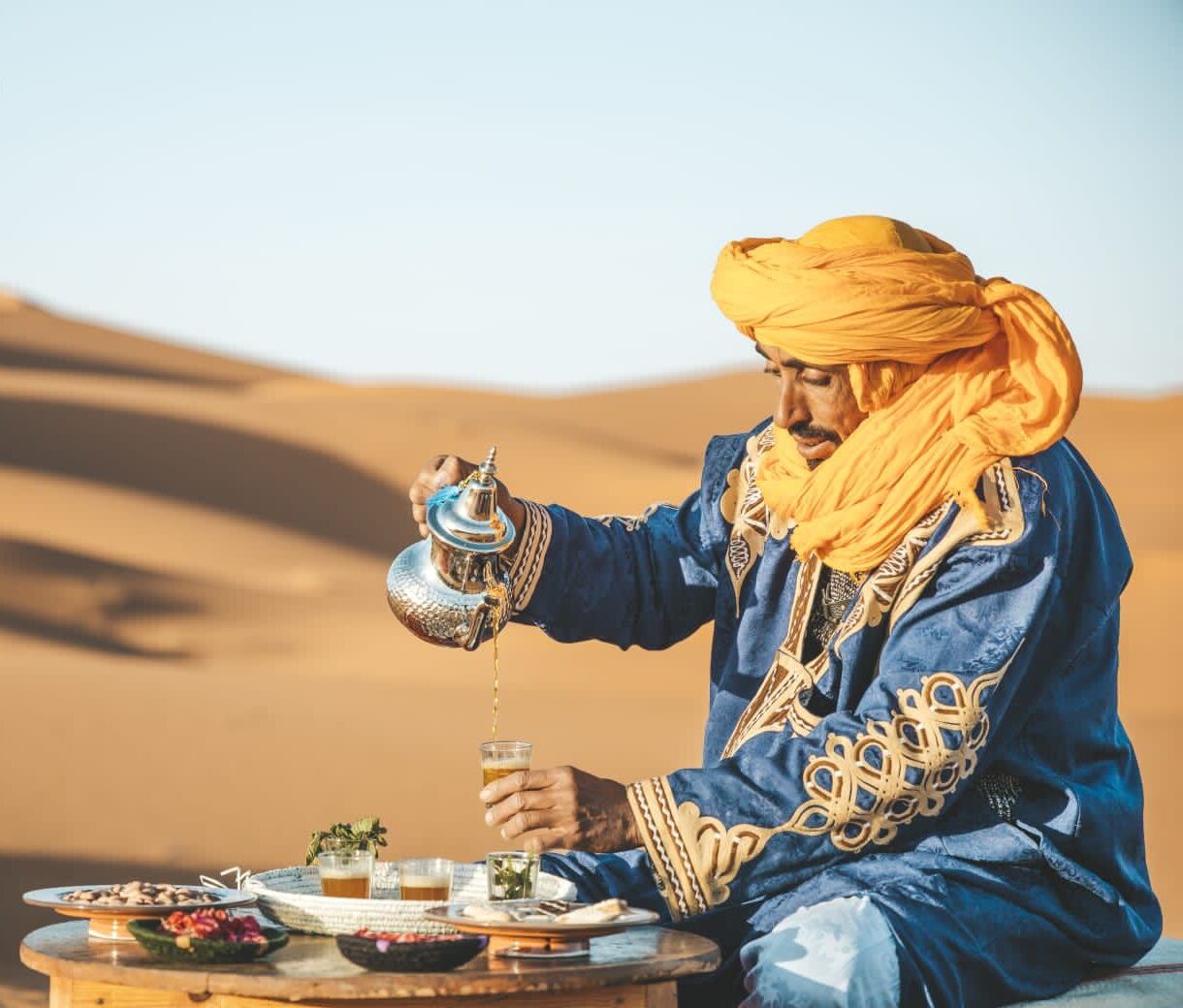
Lightweight, loose-fitting long sleeves and long pants made from breathable fabrics like cotton or technical materials that wick moisture are ideal. Many experienced desert travelers wear traditional Berber-style clothing—long, flowing djellabas or gandoras with lightweight turbans or scarves—for good reason. This traditional clothing has been perfected over centuries for desert conditions. It keeps you cooler by creating air circulation between the fabric and your skin while protecting from sun exposure.
Footwear Considerations
Your choice of footwear matters more than you might think. Closed-toe shoes or sturdy boots are essential—sandals or flip-flops are impractical and uncomfortable. Your feet will be in the stirrups or resting against the camel's body for extended periods, and you need proper support and protection.
Lightweight hiking boots or desert-specific boots are ideal. They provide ankle support, protect against the heat of sand and sun on your feet, and give you a secure foothold in the stirrups. Make sure your boots are broken in before your trip; new boots can cause blisters during a camel ride.
Many travelers also bring lightweight socks, as the inside of boots can get warm and your feet can slip in the stirrups without them. Some people prefer wool blend socks because wool naturally wicks moisture and prevents blisters.
Head and Face Protection
A wide-brimmed hat is crucial—not optional. The sun reflecting off the sand intensifies exposure, and you have no shade while riding. A hat with a wide brim that covers your ears and the back of your neck is far better than a baseball cap. Many travelers choose lightweight wide-brimmed sun hats, straw hats, or traditional head wraps.
Sunglasses are essential for protecting your eyes from glare and UV radiation. Ensure they offer 100% UV protection and have polarized lenses if possible to reduce glare from the sand.
A lightweight neck scarf or head wrap provides additional sun protection and helps regulate temperature. These are often available at Merzouga desert camps, and your guide might help you tie one in the traditional style, which also provides a more immersive cultural experience.
What to Bring: Essential Items for Your Camel Ride
Hydration and Nutrition
This is perhaps the single most important preparation for a comfortable Merzouga camel camp experience. You'll need considerably more water than you might think. Plan for at least 2-3 liters of water per person for a few-hour ride, possibly more during extremely hot months.
Many camps, including Original Desert Camp, provide water during rides, but bring your own supply as backup. A hydration backpack with a drinking tube allows you to sip water throughout the ride without stopping or losing balance by reaching for a water bottle.
Bring salty snacks to replace electrolytes lost through sweating. Dates, nuts, and dried fruits are particularly appropriate in Morocco and provide sustained energy. The Berber guides often share these traditional foods with riders, which adds a cultural dimension to your experience.
Sunscreen and Lip Protection
High-SPF sunscreen (50+ is ideal) is absolutely essential. Apply it generously 15-30 minutes before your ride and reapply after a few hours if possible. Include your ears, the back of your neck, and the tops of your feet — areas that are frequently forgotten but easily burned.
A lip balm with SPF protection prevents painful sunburn on sensitive lip skin. The desert sun's reflection off sand intensifies UV exposure, making lip protection particularly important.
Consider bringing sunglasses with UV protection to reduce glare and protect your eyes from sand particles. A wide-brimmed hat or head covering provides additional shade and is culturally respectful when visiting local communities.
Clothing Considerations
Loose, lightweight layers are your best friend in the desert. While it may seem counterintuitive, covering more skin actually keeps you cooler by creating airflow and protecting you from direct sun exposure. Long pants and long-sleeved shirts are ideal, and many visitors choose to wear traditional Berber robes (available at Original Desert Camp) for authenticity and practicality.
Bring a warmer layer for evening temperatures, which can drop significantly once the sun sets. A lightweight scarf or shawl serves multiple purposes: sun protection during the day and warmth at night, plus it's an essential item when visiting mosques or meeting local families.
Wear sturdy, closed-toe shoes with good grip for mounting and dismounting the camel safely.
Final Thoughts
Preparing properly for your camel ride in Merzouga transforms it from a simple tourist activity into a genuinely comfortable and memorable adventure. By bringing the right supplies, wearing appropriate clothing, and respecting local customs, you'll be able to focus entirely on the magic of the desert experience. Original Desert Camp's expert guides are there to ensure your safety and comfort, but your own preparation makes all the difference. The Sahara awaits—make sure you're ready to embrace it fully.