
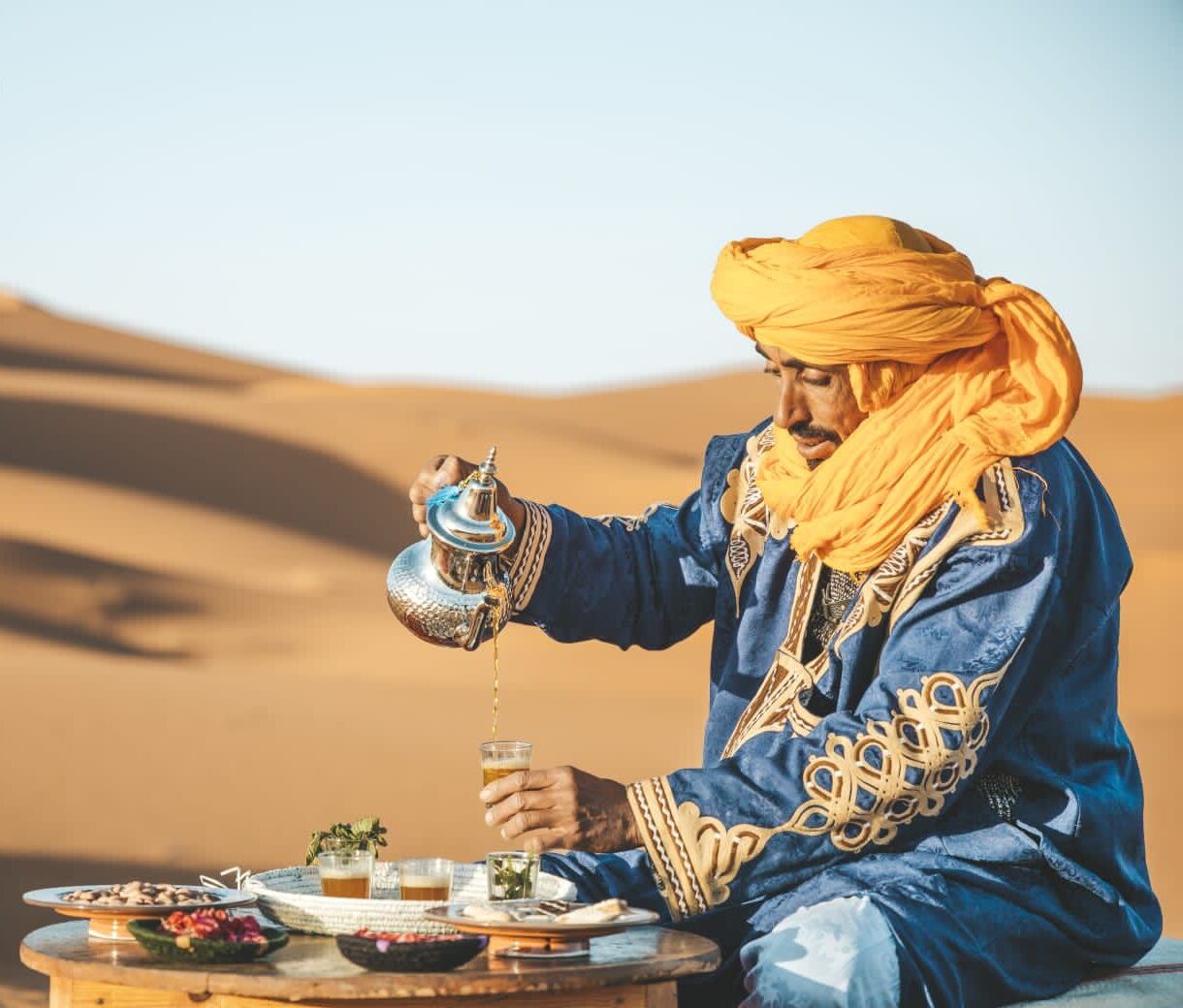
Merzouga Desert Camp Dune Experience: Climbing, Sliding and Exploring Erg Chebbi
The first moment you lay eyes on Erg Chebbi, something shifts inside you. These aren't just hills of sand—they're towering, wind-sculpted mountains that seem to stretch endlessly beneath an impossibly vast sky. Located in southeastern Morocco near the small village of Merzouga, Erg Chebbi represents one of the Sahara's most dramatic landscapes, and experiencing it from a thoughtfully designed desert camp transforms a simple visit into something genuinely life-changing.
Whether you're a thrill-seeking adventurer, a nature photographer, or someone seeking quiet reflection under starlit skies, the dunes surrounding Merzouga offer experiences for every traveler. This guide will walk you through everything you need to know about exploring Erg Chebbi, the various activities available, and how staying at a quality Merzouga desert camp like Original Desert Camp enhances every moment.
Understanding Erg Chebbi: More Than Just Sand
What Makes Erg Chebbi Unique
Erg Chebbi translates to "the Eastern Sand Sea," and it's genuinely one of Morocco's most impressive natural wonders. Unlike smaller desert experiences, this erg (a vast expanse of sand dunes) covers approximately 200 square kilometers of seemingly endless golden dunes. What distinguishes Erg Chebbi from other desert regions is its combination of accessibility and authenticity—it's close enough to reach from major Moroccan cities, yet remote enough to feel genuinely remote.
The dunes here reach heights of up to 160 meters, with some peaks appearing almost impossibly tall against the horizon. The reason for these impressive heights lies in the geography: Erg Chebbi sits in a natural basin where winds consistently funnel sand from surrounding areas, creating towering formations that shift subtly with seasonal wind patterns.
The coloring of the sand varies throughout the day in ways that never grow old. Early morning light turns the dunes into shades of pink and apricot. Midday brings brilliant golds and warm oranges. As sunset approaches, the palette shifts to deep amber and purple shadows. By night, the sand becomes a stage for one of Earth's most stunning starry skies.
The Best Time to Visit Merzouga
Timing your desert experience significantly impacts both comfort and what the landscape reveals. The optimal visiting window is October through April, when temperatures range from pleasantly warm during the day (20-25°C) to cool nights that make stargazing comfortable. This is peak season for good reason—the weather cooperates, and the light is consistently magical.
May through September brings extreme heat. While some dedicated travelers embrace summer visits for solitude and dramatic thermal effects on the sand, daytime temperatures regularly exceed 40°C. A Merzouga dunes camp becomes less of a luxury and more of a survival strategy during these months, making the difference between misery and comfort substantial.
Dune Activities at Erg Chebbi: Your Adventure Awaits
Sunrise and Sunset Hikes
Few experiences rival standing atop a 150-meter dune as the sun emerges over the Sahara's horizon. Sunrise hikes typically begin around 5:30 AM, when the air still carries the cool of night and the world feels entirely your own.
The climb itself is meditative. Your feet sink into cool sand with each step, and the physical effort becomes a kind of moving meditation. Within 30-40 minutes, most people reach a summit where the landscape unfolds in every direction. The first rays of sunlight appear impossibly distant, then suddenly rush across the desert, illuminating the dunes' contours and casting dramatic shadows into every valley.
Original Desert Camp arranges these hikes with knowledgeable guides who understand the terrain intimately. They know which routes offer the most dramatic light, where to position yourself for optimal views, and which dunes provide safer climbing paths for various fitness levels.
Sunset hikes follow similar routes but offer different magic. The descending sun seems to hover forever, transforming the entire landscape into warm, honeyed tones. Unlike sunrise, where you're racing against the dawn, sunset hikes allow lingering. You can watch shadows stretch across valleys, observe how light plays across the dune faces, and experience the landscape's gradual transformation into twilight.
Sandboarding and Sand Sledding
For travelers seeking more active engagement with the dunes, sandboarding delivers genuine thrills. Imagine surfing, but on steep desert sand instead of water. The sensation is surprisingly similar—the board glides, gravity pulls you downward, and you navigate the slope with surprising control.
Most desert camps, including a quality Merzouga erg chebbi camp, provide wax-coated wooden boards designed specifically for sand. Unlike snowboarding, sandboarding requires different technique—your weight distribution matters more, and the friction is different. First-timers often spend their initial runs simply getting comfortable, then quickly discover they're carving genuinely impressive turns down sand faces.
Sand sledding offers a simpler alternative for those less interested in technique. Lie back on a smooth board, let gravity do the work, and enjoy the rush of descending a steep dune face. The sand sprays around you, wind rushes past, and you reach the bottom simultaneously exhilarated and laughing.
These activities work best on larger dunes with lengthy slopes. Original Desert Camp can identify the day's optimal dunes based on wind conditions and recent sand movement—details that make the difference between disappointing slides and genuinely memorable runs.
Camel Trekking Through the Desert Landscape
The camel trek remains the Sahara's most iconic activity, and rightfully so. Traveling by camel connects you to centuries of desert tradition—these animals have carried traders, explorers, and travelers across these sands for millennia.
A typical camel trek from a Merzouga desert camp lasts 2-4 hours, though multi-day excursions are possible. The motion takes some adjustment; camels move with a distinctive swaying gait that feels awkward initially but becomes almost hypnotic. Your guide will teach you the basics—how to mount, how to balance, how to communicate with your animal.
Beyond the novelty, camel trekking offers a distinctly different perspective on the landscape. From camel-back, you travel at the pace the dunes were meant to be experienced. You notice details—patterns in the sand, distant rock formations, the way light reflects from different slopes. Conversations happen naturally at this pace, and guides often share stories of desert life, navigation techniques, and the region's history.
The best camel experiences happen early morning or late afternoon, when temperatures are reasonable and light is extraordinary. Midday treks are possible but less pleasant, as the heat becomes significant and the light harsher.
Photography and Nature Observation
For photographers and nature enthusiasts, Erg Chebbi is genuinely world-class. The combination of dramatic topography, consistently beautiful light, and minimal light pollution creates near-ideal conditions for both landscape and night photography.
Sunrise and sunset are obviously peak photography times, but the window extends. The "golden hour" after sunrise and before sunset lasts longer at Erg Chebbi than almost anywhere else due to the dunes' height—light skims across the landscape for extended periods.
Night photography deserves special mention. With minimal light pollution, the Milky Way displays with stunning clarity. The sand itself reflects starlight, creating a subtle secondary illumination that reveals dune textures even in darkness. Time-lapse photographers can capture the Milky Way's rotation. Standard photography can capture the entire galaxy arching across the sky above dune silhouettes.
Original Desert Camp understands photographers' needs and can arrange special guides who recognize optimal locations for specific shots, how wind and weather will affect compositions, and can work with your schedule to position you for your preferred light.
Stargazing and Astronomy
Beneath Erg Chebbi's nights lies one of Earth's most spectacular celestial displays. Far from light pollution, with minimal atmospheric interference, the night sky reveals itself in ways most people have never experienced.
The Milky Way isn't a faint smudge but a brilliant, textured river of light stretching across the entire dome of sky. Constellations appear three-dimensional, with apparent depth and density. Planets visible from Earth show clearly and steadily. If you visit during a meteor shower, you'll witness dozens or hundreds of meteors per hour.
For serious stargazers, the clarity allows meaningful observation. Bring binoculars or a modest telescope, and the detail becomes extraordinary. Many travelers who've owned stargazing equipment for years experience its potential for the first time at Erg Chebbi.
Even without equipment, simply lying on the sand, gazing upward, and allowing your mind to adjust to the scale of the cosmos creates a profoundly moving experience. Guides can point out constellations, share mythological stories, and discuss the astronomy if desired, or simply provide silence for personal reflection.
Choosing Your Merzouga Dunes Camp Experience
What Distinguishes Quality Desert Camps
Not all Merzouga erg chebbi camps offer equivalent experiences. The differences—both obvious and subtle—significantly impact your stay.
Quality desert camps prioritize several key elements: authentic traditional design combined with genuine comfort, experienced staff who understand both logistics and hospitality, guides who are knowledgeable and genuinely interested in your experience, and thoughtful attention to practical details like water availability, sanitation, and meal quality.
Original Desert Camp exemplifies these standards. The camp maintains Berber architectural traditions while incorporating modern amenities that ensure comfort without breaking the desert's spell. The combination matters—you're sleeping in comfortable beds within authentic Berber tents, not pretending to rough it, but not so over-developed that the experience becomes disconnected from the landscape.
Accommodation Styles and Options
Most quality Merzouga desert camps offer tent accommodations in various configurations. Private tents typically feature en-suite bathrooms, beds rather than floor mats, and heating for cool nights. Shared or multi-person tents cost less but involve surrendering privacy.
The best camps, including Original Desert Camp, offer private tents that balance authenticity with comfort. You experience the desert's sounds and sensations—the wind's whisper, the temperature shifts, the pre-dawn quiet—while enjoying actual comfort that allows genuine rest.
Some travelers worry about sanitation in desert settings. Quality camps address these concerns seriously. Modern plumbing and waste management systems work effectively in desert environments. Showers may use heated water heated via solar or gas, and toilets function comparably to elsewhere. This isn't glamping in the sense of pretending to discomfort—it's experiencing an authentic location thoughtfully.
Meals and Dining in the Desert
Desert camp meals represent an underrated aspect of the experience. Eating delicious, freshly prepared food while seated beneath stars creates surprisingly meaningful memories.
Traditional Moroccan cuisine features prominently: tagines (slow-cooked stews), couscous, fresh bread, salads, and seasonal fruits. Breakfasts typically include bread, cheese, preserves, fresh fruit, and strong Moroccan mint tea. Dinners are more elaborate, with multiple courses and generous portions.
Dietary requirements deserve discussion when booking. Quality camps, including Original Desert Camp, accommodate vegetarian, vegan, gluten-free, and allergy-conscious diets with genuine care, not mere tolerance. The food doesn't become boring—it becomes an interesting challenge that cooks often find energizing.
Evening meals carry special significance. As the sun sets and stars emerge, sitting around a communal fire, sharing food and conversation with other travelers, creates genuine connection. These moments often become the experiences people remember most vividly months later.
Practical Considerations for Your Visit
Physical Fitness and Dune Activities
Dune climbing requires moderate fitness but no special training. Most people in reasonable health can climb Erg Chebbi's dunes, though the experience varies by individual. The sand's softness means you're not fighting friction—you're fighting gravity and sand displacement, which demands different muscles than solid ground.
First-timers often underestimate how challenging dune climbing feels initially. You may climb what feels like a modest dune and arrive breathless at the summit. This isn't failure—it's the altitude (summits are genuinely high) combined with the biomechanics of sand climbing. Subsequent hikes feel easier as your body adapts.
If you have fitness concerns, communicate with your camp before arrival. Guides can adjust routes, pace, and difficulty. Camel trekking requires minimal fitness—the animals do the work. Sandboarding suits all fitness levels; you simply determine your own difficulty through slope choice.
What to Pack for Desert Comfort
Despite the Sahara's reputation for extremes, thoughtful packing ensures genuine comfort. Essential items include:
Sun protection: High-SPF sunscreen, a quality hat with brim coverage, and sunglasses. The sun reflects off sand with intensity that amplifies UV exposure. Many visitors underestimate this reflection and suffer burns on unexpected areas like the underside of their chin or ears.
Lightweight layers: Desert temperatures swing dramatically between day and night. Pack long-sleeved shirts in breathable fabrics that protect from sun while allowing airflow. A warm layer for evening is essential—temperatures can drop 30°F after sunset.
Hydration supplies: Bring a refillable water bottle. Your camp provides water, but carrying your own ensures constant access during activities. Dehydration develops quickly in dry heat and impairs judgment about physical limits.
Comfortable footwear: Closed-toe hiking boots work better than sandals for dune activities. Sand infiltrates everything, but proper boots minimize discomfort and provide ankle support on uneven terrain.
Moisturizer and lip balm: Desert air strips moisture from skin and lips aggressively. A good moisturizer prevents uncomfortable dryness that worsens each day of your stay.
Camera or phone with storage: The landscape demands documentation. Ensure your device has sufficient battery and storage capacity—sunset and sunrise offer world-class photography opportunities.
Final Thoughts
A desert experience at Original Desert Camp transcends typical vacation activities. The Sahara teaches patience, perspective, and appreciation for simplicity. By preparing physically and packing thoughtfully, you're not just visiting—you're genuinely engaging with one of Earth's most extraordinary environments. Your body will thank you, and your memories will last indefinitely.