
Merzouga Eastern Desert Camp Experience: What the Far Side of Erg Chebbi Offers
When most travelers think of Merzouga, they envision endless golden dunes stretching toward the horizon—and they're absolutely right to do so. But there's something distinctly magical about experiencing the desert from the eastern side of Erg Chebbi, where fewer tourists venture and the landscape reveals its most authentic character. If you're considering a Merzouga eastern camp luxury experience, you're contemplating something truly special that goes far beyond the typical desert excursion.
The eastern aspect of Erg Chebbi presents a different perspective of Morocco's most iconic sand sea. While the western routes remain popular, the far side offers a more intimate encounter with both the landscape and the Berber communities that call this region home. Let me share what makes this experience distinctive and why it deserves a place on your Moroccan travel itinerary.
Understanding Erg Chebbi's Geography and Location
Before diving into what makes the eastern camps unique, it's worth understanding the broader geography of this remarkable place. Erg Chebbi is a vast sea of golden dunes that stretches approximately 28 kilometers long and 5-7 kilometers wide, rising between 100 and 160 meters at its tallest points. The name "erg" itself refers to a sand sea in North African geography—not just any dunes, but extensive formations created over millennia by wind patterns and geological processes.
Merzouga, the primary settlement serving the Erg Chebbi region, sits at the foot of these dunes. The town itself is modest but welcoming, serving as the gateway for desert explorers. What many visitors don't realize is that the positioning of your camp—whether on the western or eastern side of the erg—significantly influences your experience, the people you meet, and the rhythms of desert life you'll encounter.
The Eastern Side Advantage
The eastern perimeter of Erg Chebbi offers several distinct advantages over more heavily trafficked western routes. The landscape here maintains a more pristine quality because fewer camel trains traverse these paths daily. You'll still experience the dramatic beauty of the sand formations, but with a genuine sense of discovery rather than following well-worn tourist trails.
More importantly, the eastern approaches connect you more directly with the Ait Atta Berber tribes who have inhabited this region for generations. These communities maintain traditional pastoral practices, and staying at a Merzouga erg chebbi camp on the eastern side often means your guides, staff, and fellow travelers are more likely to be local Berbers rather than professional tourism operatives.
The Authentic Berber Connection
One of the most compelling reasons to choose an eastern camp experience relates to cultural authenticity. The Berber people have inhabited the Sahara for thousands of years, and their presence in Merzouga remains deeply rooted in traditional practices despite modernization's encroachment.
Traditional Lifestyle Experiences
When you stay at a luxury desert camp like Original Desert Camp, positioned thoughtfully within this landscape, you gain access to genuine cultural exchanges that simply don't happen at high-volume tourism destinations. The eastern side of Erg Chebbi sees fewer organized tours, which paradoxically creates better opportunities for authentic encounters.
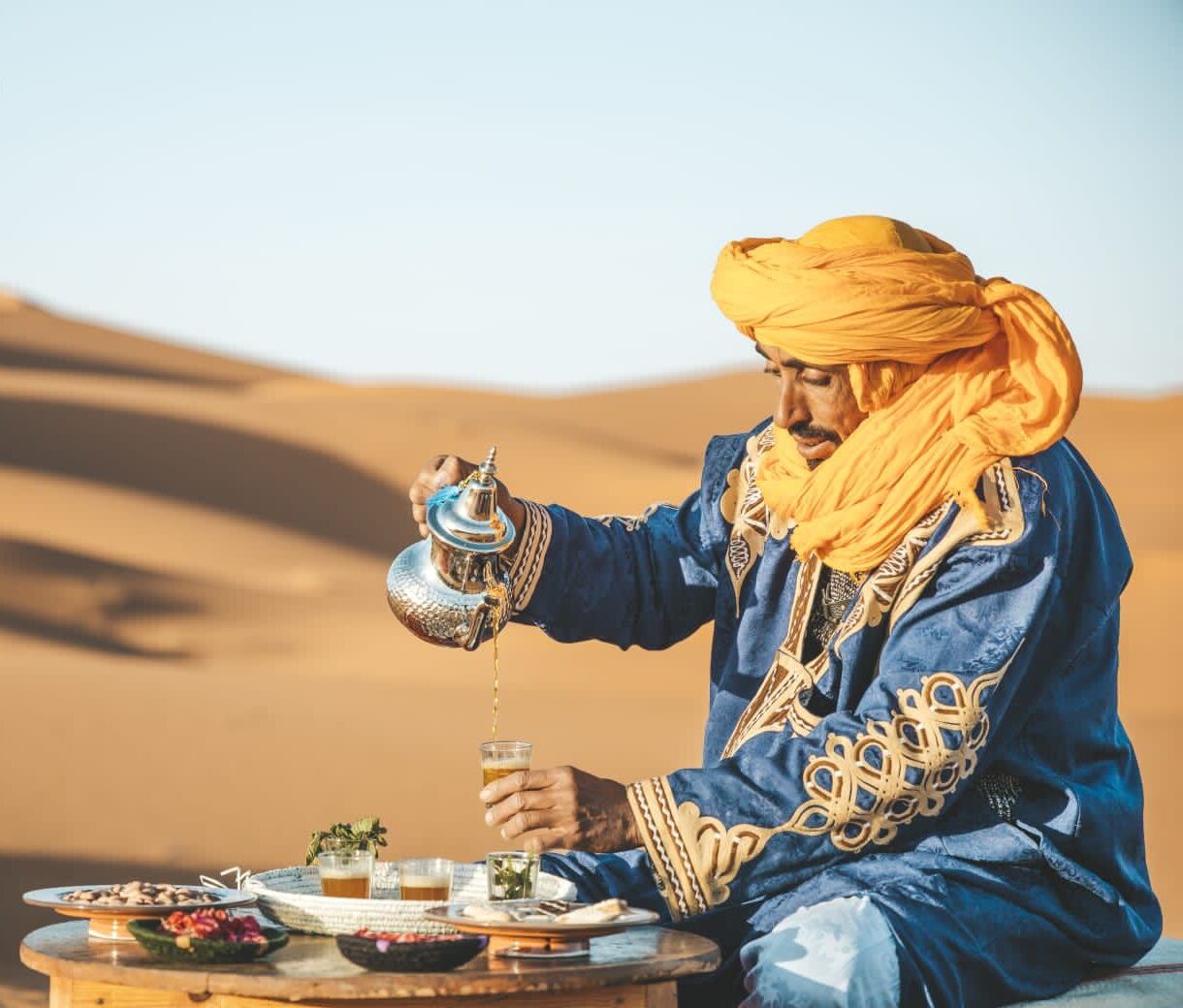
You might spend an evening with a local Berber family in their traditional goat-hair tent, sharing mint tea and learning about their seasonal migration patterns. These interactions aren't performances staged for tourists—they're organic moments that arise from genuine hospitality. The Ait Atta tribe members you meet likely speak Tamazight, the Berber language, alongside Arabic and French, offering rich opportunities to understand how language shapes cultural identity in this region.
Culinary Traditions and Desert Cuisine
The food served at eastern camps often reflects traditional Berber recipes passed down through generations. Tagines slow-cooked over open fires, couscous prepared with vegetables from oasis gardens, and bread baked fresh daily represent more than sustenance—they're cultural documents. At Original Desert Camp, the culinary approach emphasizes these traditional methods while meeting the comfort expectations of international guests.
One particularly memorable dish is the Berber pizza, a thin-crusted creation cooked on heated rocks that dates back centuries. Watching this preparation, understanding the ingredients' origins (some from nearby Erfoud's famous date palms, others from Tafilalet oasis agriculture), and tasting the results provides genuine cultural education through sensory experience.
The Landscape Experience: Beyond the Standard Dune Views
While all Erg Chebbi locations offer stunning vistas, the eastern approaches present specific landscape advantages worth discussing.
Unique Sand Formations and Photography Opportunities
The eastern ridges and valleys of Erg Chebbi create distinctive photographic opportunities, particularly during golden hour. The angle of light hitting the sand formations from the east creates different shadow patterns than western approaches. Professional photographers increasingly recognize the eastern side for its dramatic interplay between light and shadow across the dune faces.
The formations on this side include interdune valleys where desert vegetation surprisingly persists. Sparse acacia trees, desert roses, and resilient shrubs create contrast against the sand—visual elements that humanize the landscape and remind you that even the Sahara supports life.
Stargazing and Celestial Experiences
Away from the concentration of camps on the western side, the eastern Erg Chebbi maintains darker skies in the evenings. Light pollution from multiple camps clustered together on the western approach has become increasingly noticeable. Choosing an eastern location means your night sky experience suffers less interference, making stargazing more profound.
The clarity of stars visible from the eastern desert is genuinely remarkable. Without moon interference during new moon phases, you'll observe the Milky Way with a density of stars that city dwellers rarely experience. Local guides can point out traditional navigation stars the Berbers historically used during night journeys—creating another cultural bridge between you and the landscape's human history.
The Comfort and Luxury Factor
There's sometimes a misconception that choosing an "authentic" or less-touristy experience means sacrificing comfort. A quality Merzouga eastern camp luxury option proves this false.
Tent Designs and Modern Amenities
Original Desert Camp and similar thoughtfully-designed properties blend Berber architectural traditions with contemporary comfort standards. Luxury tents feature traditional Berber designs while incorporating modern amenities: comfortable beds with quality linens, private bathrooms with running water and heating, and adequate ventilation despite desert temperatures.
These camps typically arrange themselves to minimize environmental impact while maximizing privacy and comfort. Your tent space becomes a genuine sanctuary where you can retreat from the midday heat, rest between activities, and enjoy evening solitude with the desert soundtrack as your background.
Dining and Hospitality Standards
The luxury aspect extends to dining experiences. While maintaining traditional Berber cooking methods and recipes, eastern camps maintain food safety standards and variety that accommodate different dietary needs. The experience becomes about cultural immersion rather than suffering through an "authentic" experience that involves compromised comfort or health standards.
Hospitality staff at quality operations like Original Desert Camp receive training in both traditional Berber hospitality customs and international service standards. This fusion creates an experience where you feel genuinely welcomed without experiencing awkwardness or miscommunication.
Activities and Experiences Unique to the Eastern Approach
Beyond the standard camel trekking and dune watching, eastern camps offer distinctive activity options.
Camel Trekking Routes and Desert Exploration
The eastern approaches access different camel trekking routes that show different aspects of the erg and surrounding geography. You might traverse routes that pass Bedouin encampments, visit salt ponds where flamingos occasionally gather during migration seasons, or reach vantage points offering perspectives on both Erg Chebbi and the broader Merzouga basin.
These routes, traveled less frequently by organized tours, provide a more contemplative camel experience. Your guide can move at a more relaxed pace, spend time explaining desert ecology and navigation techniques, and respond to your interests rather than following a rigid schedule designed to maximize numbers.
Sunrise and Sunset Perspectives
While sunrise and sunset occur everywhere simultaneously, the eastern side of Erg Chebbi creates distinct aesthetic experiences. The light angles differ, the surrounding landscape context differs, and the human activity around you differs. Instead of positioning among dozens of tourists at identical viewpoints, you might watch dawn break from a more isolated dune face, sharing the moment with perhaps one or two other travelers and your local guide.
Interaction with Wildlife and Natural Phenomena
The eastern landscape, being less heavily trafficked, supports slightly more diverse wildlife. You're more likely to encounter fennec foxes, desert hedgehogs, or various bird species. While wildlife viewing can't be guaranteed in a semi-arid environment, the probability increases on less-disturbed routes.
Seasonal phenomena also become more observable. During winter months, you might witness rare rainfall phenomena. Spring brings temporary flowering of desert vegetation. These seasonal rhythms become apparent when you're not rushing through on a compressed schedule but actually spending time within the landscape.
Planning Your Eastern Desert Camp Experience
Practical considerations matter when choosing a Merzouga desert camp, particularly regarding eastern approaches.
Best Time to Visit
The optimal visiting season for eastern Erg Chebbi aligns with general Merzouga recommendations: October through April offers comfortable daytime temperatures (typically 15-25°C) and cool nights. May through September brings significant heat challenges, though some travelers prefer this season for the guarantee of star-filled nights and fewer tourists.
The eastern approach actually has a modest advantage during shoulder seasons. The slightly less-developed infrastructure means fewer seasonal closures or reduced operations, making May and September surprisingly visitable if you tolerate heat.
Transportation and Logistics
Most visitors reach Merzouga from larger Moroccan cities like Fez or Marrakech, typically via a multi-day tour. Eastern camps are equally accessible but require coordination with your tour operator or direct booking with the camp. Original Desert Camp can arrange transportation from Merzouga town to the eastern approach, typically a 30-45 minute drive depending on exact location within the erg's far side.
If you're self-driving, note that the roads to eastern approaches are rougher than those leading to centrally-located camps. A high-clearance or four-wheel-drive vehicle becomes necessary, and engaging local drivers who know the terrain is strongly recommended.
Duration Recommendations
The eastern approach truly rewards longer stays. While a single night allows you to experience the desert, two nights enables participation in different activities without rushing. Three nights allows for substantial camel trekking, cultural interactions, and the kind of unhurried experience that makes the eastern approach special.
Practical Considerations and What to Expect
Weather Realities
The Sahara's climate demands respect. Daytime temperatures can exceed 40°C in summer, while winter nights dip near freezing. The eastern approach, being slightly more exposed in some areas, experiences these extremes intensely. Packing includes sun protection (high SPF sunscreen, hat, sunglasses), layers for temperature variation, and respect for the environment's power.
Wind presents another reality. Erg Chebbi experiences regular winds, particularly in spring. These winds create shifting dunes and can occasionally reduce visibility. Most camping operations have protocols for wind events, but expect dust and wind as part of the authentic experience.
Necessary Preparations
Physical fitness matters more for eastern routes. While camel trekking isn't extreme, comfort on a camel improves with basic fitness. Walking in sand, particularly uphill on dune faces, requires more energy than walking on flat ground. Realistic self-assessment and communicating with camp staff about your fitness level ensures appropriate activity matching.
Mental preparation for solitude benefits the experience. While eastern camps remain social spaces, they involve more quiet contemplation than party-atmosphere properties. If you thrive on constant activity and social stimulation, the eastern approach might feel too isolated. Conversely, if you seek silence and space for reflection, you've found your ideal destination.
Original Desert Camp and Eastern Merzouga Experiences
Original Desert Camp positions itself specifically to provide the eastern Erg Chebbi experience with genuine luxury. The camp's design philosophy embraces Berber architectural traditions while providing contemporary comfort standards. The staff composition emphasizes local Berber employment, meaning your guides, cooks, and hospitality team genuinely come from surrounding communities.
The camp's activity programming balances structure with flexibility. Rather than rigid itineraries, guests can determine their pace and interests. This approach particularly suits the eastern approach's character—allowing time for meaningful engagement with landscape and people rather than rushing through predetermined checkpoints.
Dietary accommodations receive particular attention. While traditional Berber cuisine features prominently, the camp works with guests regarding preferences and restrictions. The philosophy emphasizes introducing authentic cuisine while respecting individual needs.
Conclusion: Is the Eastern Merzouga Experience Right for You?
The eastern side of Erg Chebbi offers something increasingly rare in our over-touristed world: a substantial experience that hasn't been completely commodified. It requires slightly more effort to arrange, demands flexibility in expectations, and rewards those qualities with genuine cultural connection and undistur bed natural beauty.
If you prioritize Instagram-perfect moments over authentic interaction, if rigid schedules and predictable experiences appeal to you, the western dunes might serve you better. But if you're drawn to travel that challenges assumptions, that requires you to be present and adaptable, that measures success in conversations and sunsets rather than photos and checkboxes, then Original Desert Camp's eastern location becomes precisely the destination you've been seeking.
The Sahara doesn't need improvement. It needs witnessing. The Berber communities don't need performing for cameras. They need respectful engagement. The eastern approach to desert camping honors both.
Final Thoughts
Choosing where to experience the Sahara ultimately reflects your travel philosophy. Original Desert Camp positions itself not as a luxury escape from authenticity, but as a luxury gateway to it. The eastern location, combined with the camp's commitment to community-centered hospitality, creates conditions for the kind of transformative travel experiences that linger long after you've left the desert. This is camping that respects both your comfort and the landscape's integrity.