
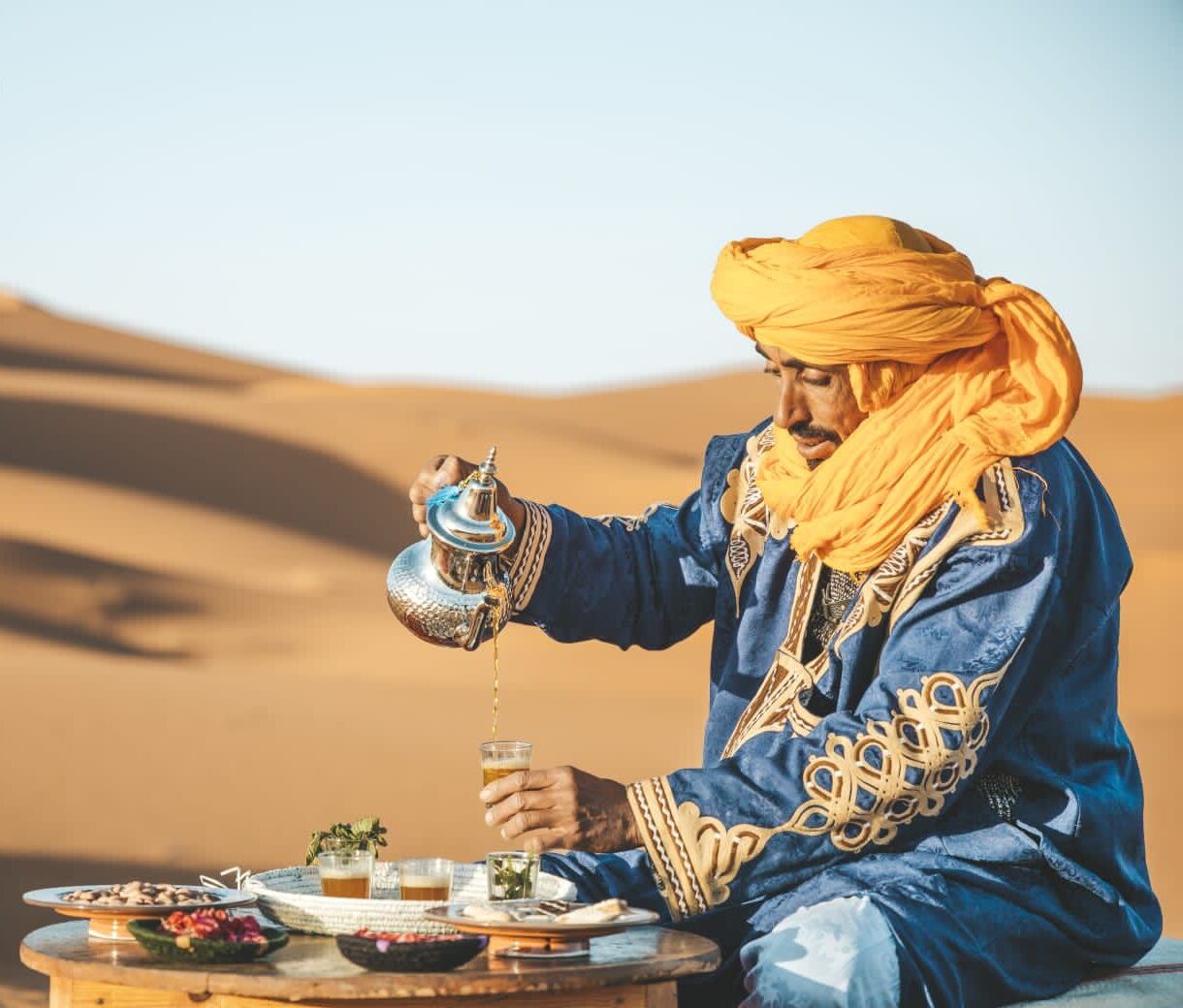
Merzouga Desert Camp Excursions: What to Do Beyond the Dunes
When most people think of a Merzouga desert camp experience, they picture themselves swaying atop a camel across endless golden dunes at sunset. While that's undoubtedly magical, the Merzouga region offers so much more than dune-trekking. Whether you're staying at a luxury camp like Original Desert Camp or exploring independently, there's a rich tapestry of activities, cultural encounters, and natural wonders waiting to transform your desert adventure into something truly unforgettable.
The Sahara isn't just about the sand—it's about the people who call it home, the ancient trade routes that cross it, and the dramatic landscapes that surround it. Let me walk you through the best Merzouga camp excursions that go beyond the traditional dune experience.
Understanding Merzouga: Location and Geography
Before diving into specific excursions, it's worth understanding where you are. Merzouga is a small village in southeastern Morocco, sitting on the edge of Erg Chebbi, one of the Sahara's most dramatic sand seas. The dunes here are some of the tallest in the Sahara, reaching up to 150 meters high.
The region is part of the Tafilalet plateau, and it's surrounded by rocky desert, sparse vegetation, and several fascinating geological and cultural landmarks. This geography makes it an ideal base for exploring beyond the dunes themselves. The accessibility of these sites from major desert camps means you can easily combine multiple activities during a multi-day stay.
Beyond Camel Trekking: Merzouga Desert Camp Excursions
1. Explore the Ifrane Oasis
Just a short distance from most Merzouga desert camps, the Ifrane Oasis offers a striking contrast to the barren dunes. This natural spring-fed oasis is where you'll find date palms, vegetation, and a small lake that attracts birdwatchers and nature photographers.
The oasis is perfect for a morning or afternoon excursion. You can walk through the palm groves, learn about how the local Berber community has cultivated this land for centuries, and observe the intricate irrigation systems that have sustained life here for generations. It's also an excellent spot for photography, especially during the golden hour when the light hits the water and creates stunning reflections against the palm canopy.
Original Desert Camp can arrange guided walks through the oasis, where knowledgeable local guides share stories about the traditional farming practices and the ecosystem that thrives here. These guides often have family connections to the oasis, giving you genuine insights rather than rehearsed tourist information.
2. Visit the Berber Villages and Meet Local Communities
One of the most enriching Merzouga activities is spending time in authentic Berber villages. Villages like Hassi Labiad and others in the region are home to Amazigh (Berber) communities who maintain traditional lifestyles despite the changing modern world.
A village visit typically includes:
Cultural exchange: Meet local families in their homes, learn about their daily routines, and understand their traditions. Many families welcome visitors warmly and are happy to share tea and conversation.
Traditional crafts: Observe artisans making carpets, leather goods, and pottery using methods passed down through generations. You can purchase directly from makers, ensuring your money supports the community rather than middlemen.
Shared meals: Eat traditional Moroccan food prepared by local families. A tagine cooked over an open fire, fresh bread, and Berber tea create a memorable and authentic dining experience.
Cultural demonstrations: Some villages showcase traditional music, dance, or agricultural practices. These aren't performances for tourists—they're genuine aspects of daily life you're invited to witness.
When booking through Original Desert Camp or similar establishments, ensure the excursion is structured respectfully and that visits benefit the communities you're meeting. Responsible tourism means cultural exchange that honors the people and their way of life.
3. Sunrise and Sunset Photography Expeditions
While many camps include one sunset experience, dedicated photography excursions take this further. Professional or semi-professional photographers can arrange special timing and access to prime locations.
Sunrise expeditions start before dawn, positioning you at strategic vantage points to capture the moment when the sun's first rays ignite the dunes in shades of orange, pink, and gold. The light is softer than during the day, and the temperature is more comfortable for walking.
Sunset expeditions follow similar principles but from different locations. Multiple sunsets from various viewpoints throughout your stay reveal how the changing topography and light create entirely different moods and compositions.
These excursions benefit from local knowledge about:
- Which dunes provide the best foreground interest
- Where crowds typically gather (and how to avoid them)
- How sand color and texture change throughout the year
- The best positions for capturing silhouettes and reflections
Original Desert Camp's guides understand these nuances and can recommend specific locations based on your photographic interests and skill level.
4. Explore the Fossil Fields of Erfoud
About 50 kilometers from Merzouga, the town of Erfoud sits at the edge of one of Morocco's richest fossil deposits. The surrounding area is famous for trilobite fossils and other ancient marine life preserved in stone—remnants of when this entire region was covered by a prehistoric ocean.
A fossil field excursion typically includes:
Guided exploration: Walk through designated fossil sites with a local expert who can identify specimens and explain the geological history. You'll learn how these 400-million-year-old organisms got here and what they tell us about Earth's ancient past.
Artisan workshops: Visit workshops where craftspeople create fossil replicas and polish genuine specimens. You can watch the process and purchase authentic fossils or replicas—again, buying directly supports artisans and their families.
The Erfoud Fossil Museum: A modest but interesting museum in town showcasing significant finds and explaining the geological processes that created these deposits.
Mining demonstrations: Some operators allow visitors to participate in supervised fossil extraction, which is far more rewarding than buying pre-polished specimens.
This excursion appeals especially to geology enthusiasts, families with curious children, or anyone wanting to add a unique educational dimension to their desert experience.
5. Trek Through the Jebel Issa Mountains
While the dunes are the main attraction, the rocky desert and mountains surrounding Merzouga offer different hiking experiences. Jebel Issa and similar mountain ranges provide hiking trails ranging from easy walks to more challenging treks.
Mountain excursions offer:
Panoramic views: From higher elevations, you get perspective on the vast scale of Erg Chebbi and the surrounding desert. Clear days offer views stretching for dozens of kilometers.
Different ecosystems: Rocky desert supports different plant and animal life than sand dunes. You might spot desert foxes, various bird species, or hardy shrubs and grasses.
Geological formations: Rocky outcrops and canyons reveal layers of Earth's history compressed into stone walls and formations.
Cooler temperatures: Mountains are noticeably cooler than the dunes, making midday hiking more comfortable during hot seasons.
These treks work well combined with other activities. A typical day might include a morning mountain trek, midday rest at camp, and an evening dune excursion.
6. Visit the Rissani Market and Erfoud Towns
For a break from natural wonders and village experiences, nearby towns offer bustling markets and urban Moroccan culture.
Rissani has been a trading hub for centuries—it's one of the oldest towns in Morocco and was once a major stopping point on trans-Saharan trade routes. The medina (old city) is a maze of narrow streets, stalls selling everything from spices to textiles, and small cafés where locals gather. It's chaotic, authentic, and exhilarating for first-time visitors.
Erfoud is more modern but still distinctly Moroccan. Markets here are less touristy than Rissani, making them good places to observe daily Moroccan commerce and interact with locals going about their business rather than catering to tourists.
Both towns offer:
Market shopping: Pick up authentic Moroccan goods—spices, argan oil, textiles, leather goods—at wholesale prices when buying directly.
Food experiences: Street food stalls, small restaurants, and cafés serve authentic Moroccan cuisine in its natural context.
Photography: Towns offer vibrant street scenes, colorful goods, and local faces that create compelling documentary-style photography.
Cultural immersion: Navigating markets and towns gives you a feel for contemporary Moroccan life beyond the tourist bubble.
Original Desert Camp can arrange transportation and can advise on best times to visit (market days, quieter hours) and what to expect, making your town visit productive and enjoyable rather than overwhelming.
7. Night Sky and Astronomy Experiences
The Sahara's remoteness and minimal light pollution make it exceptional for stargazing. On clear nights, the Milky Way is visible as a luminous river across the sky—a sight increasingly rare in light-polluted regions.
Astronomy excursions might include:
Telescope observation: Some camps arrange telescopes for viewing planets, star clusters, and nebulae. Seeing Saturn's rings or Jupiter's moons through a telescope is genuinely thrilling.
Stargazing guides: Someone knowledgeable about constellations helps you identify major stars and patterns, explaining their mythology and significance in Berber culture.
Astrophotography: Long-exposure photography of the night sky creates stunning images of star trails and the Milky Way—a memorable keepsake of your desert experience.
Night hikes: Hiking under starlight through the dunes is surreal and meditative, with only flashlights and starlight guiding your path.
This is one excursion where timing matters. Moon phases affect visibility—a new moon offers the clearest stargazing, while a full moon makes some deep-sky objects harder to see but creates beautiful lunar-lit landscapes.
8. Camel Market Visits and Animal Interactions
Merzouga is part of a region where camels remain economically important. Visiting a camel market gives insight into traditional desert life and animal husbandry.
Camel markets operate on specific days (typically weekly) and are primarily local affairs. You'll see:
Buying and selling: Bedouins and merchants negotiating prices for animals—it's commerce, not performance, but visitors can observe the process.
Animal evaluation: Watch experts examine camels, checking teeth, health, and structure to assess value and suitability for different purposes.
Traditional dress: Many market-goers wear traditional Bedouin clothing, providing photography opportunities and a sense of how these communities actually live.
Beyond markets, some camps arrange interactions with working camels and their herders, learning about animal care, saddle design, and the camel's role in desert life.
Timing Your Merzouga Desert Camp Excursions
Different excursions work better at different times:
Early morning (before 9 AM): Best for mountain hikes, dune photography, and visiting village homes before people leave for daily activities.
Mid-morning to midday: Market visits, town exploration, fossil fields, and activities that benefit from good light but don't require extreme heat tolerance.
Afternoon: Rest period at camp, optional shorter excursions, preparation for evening activities.
Late afternoon: Photography excursions, oasis walks, and travel to viewing points for sunset.
Evening and night: Sunset experiences, night sky observation, village visits with shared meals, and social activities at camp.
A well-structured multi-day stay at Original Desert Camp or similar camps takes this rhythm into account, alternating active excursions with rest periods and pacing strenuous activities appropriately.
Practical Tips for Merzouga Camp Excursions
What to Bring
- Sun protection: High SPF sunscreen, hat, sunglasses—the desert sun is intense
- Water: Always carry more than you think you'll need
- Appropriate footwear: Sturdy hiking boots for rocky terrain, sandals for sand
- Layers: Desert temperature swings are dramatic; bring a light jacket for mornings and evenings
- Camera equipment: Phone camera is fine, but serious photographers should bring proper gear and spare batteries (these are hard to find in Merzouga)
- Medications: Common items like antacids and pain relievers; pharmacies in Merzouga are limited
Physical Fitness Considerations
Most excursions are moderately paced and accessible to people of average fitness. However:
- Mountain treks involve sustained elevation gain and are more demanding
- Camel riding can be physically strenuous for people with back issues
- Long walks in heat require good hydration and sun protection, even if the pace is leisurely.
If you have concerns about your physical ability to participate in certain activities, discuss them with the camp staff before booking. They can tailor excursions to your fitness level and suggest modifications or alternatives.
Best Time to Visit
While Merzouga is accessible year-round, the ideal visiting window is October to April, when daytime temperatures range from 15–25°C (59–77°F). Summer heat can exceed 45°C (113°F), making midday outdoor activities uncomfortable and potentially unsafe. During winter months (December–February), nights drop below freezing, so bring warm clothing, though the mild days remain perfect for exploration.
Booking and Logistics
Original Desert Camp handles most logistics—transportation from nearby towns, meal arrangements, and activity coordination. However, it's worth confirming:
- Whether activities are included in your package or available as add-ons
- Group size for shared excursions (smaller groups offer more flexibility)
- Weather contingencies and activity cancellation policies
- Any special dietary requirements for camp meals
Final Thoughts
The Merzouga desert offers an unmatched blend of natural wonder, cultural immersion, and adventure. Whether you're watching sunrise paint the dunes gold, learning traditional Berber crafts, or simply sitting beneath a star-filled sky, each moment at Original Desert Camp becomes a cherished memory. Proper planning and realistic expectations ensure you can fully embrace this extraordinary landscape while staying safe and comfortable throughout your stay.