
Merzouga Desert Camp for Kids: Making Family Desert Adventures Unforgettable
Planning a family trip to Morocco's Sahara Desert might seem daunting, but it's actually one of the most enriching experiences you can give your children. The vast golden dunes of Erg Chebbi near Merzouga offer a landscape that captures imaginations, teaches resilience, and creates memories that last a lifetime. Whether your kids are five or fifteen, a well-organized Merzouga desert camp for kids can transform what might seem like an extreme adventure into an accessible, enjoyable, and deeply educational experience.
The question isn't really whether kids can handle the desert—it's how to prepare them properly and choose the right camp experience that caters to their needs and comfort levels. This comprehensive guide will walk you through everything you need to know about planning a family desert adventure in Merzouga.
Why Merzouga Is Perfect for Family Desert Experiences
Merzouga has quietly become one of Morocco's most family-friendly desert destinations, and for good reason. Located at the edge of the magnificent Erg Chebbi dune field, this small village offers the authentic Sahara experience without requiring extreme wilderness survival skills. The dunes here reach heights of up to 150 meters, creating a dramatic landscape that feels genuinely otherworldly, yet the infrastructure and support systems are well-established.
The Geography Works for Families
The dunes at Merzouga are accessible via camel trekking, four-wheel-drive excursions, and even walking routes that can be tailored to different fitness levels. Unlike some desert experiences that require technical skills or extreme endurance, Merzouga offers flexibility. You're not tackling multi-week expeditions across endless sand—instead, you're immersing your family in a concentrated desert experience that can be as gentle or adventurous as you choose.
The village itself sits at approximately 1,350 meters elevation, which means the air is clearer and temperatures, while still hot during the day, are more moderate than lower desert areas. This elevation also creates stunning natural phenomena like the famous Merzouga sunrise over the dunes, an experience that will stay with your children forever.
Cultural Immersion Without Culture Shock
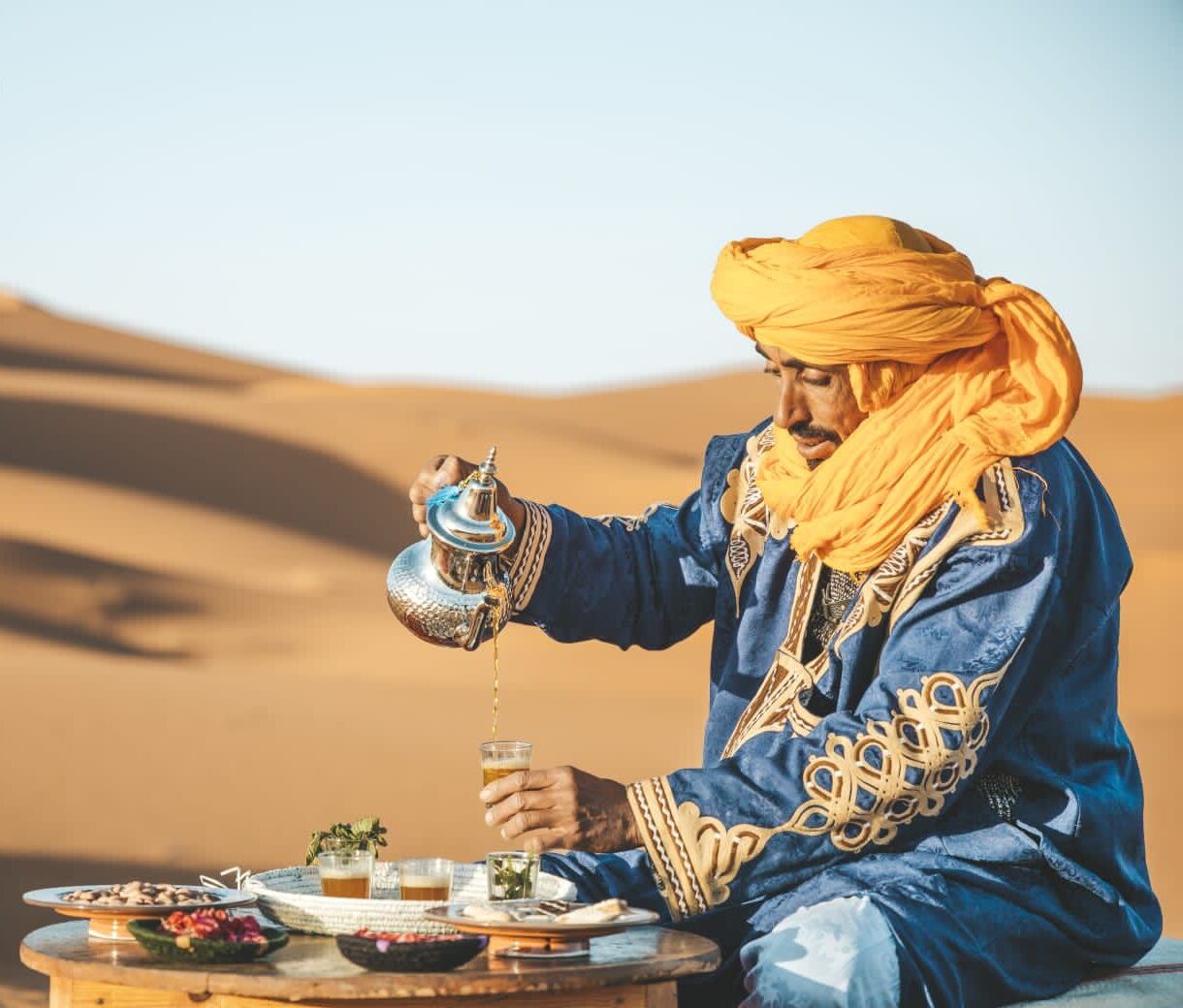
Merzouga is home to Amazigh (Berber) communities who have lived in and adapted to the desert for centuries. Staying at a Merzouga camp for kids allows your family to experience authentic culture in a welcoming, structured environment. Your children can learn about traditional lifestyles, taste authentic cuisine, meet local people, and understand different ways of living—all while staying in comfortable accommodations designed with families in mind.
Choosing the Right Camp: What Makes a Kid-Friendly Experience
Not all desert camps are created equal, especially when traveling with children. The best family desert camps understand that kids have different needs than adult adventurers, and they structure their offerings accordingly.
Essential Features of Family-Friendly Camps
When evaluating a Merzouga family camp, look for these crucial elements:
Age-Appropriate Activities: The camp should offer activities suitable for different age groups. Young children might prefer shorter camel rides, while teenagers might want longer treks or rock climbing. A quality camp provides options rather than a one-size-fits-all approach.
Comfortable Accommodations: While "camping" in the Sahara, your family shouldn't sacrifice basic comfort. Quality camps like Original Desert Camp offer well-maintained tents with proper bedding, heating for cooler nights, and clean facilities. Children sleep better when they're reasonably comfortable, which means better moods and more enjoyable days for everyone.
Safety Standards: Reputable camps maintain high safety standards for camel trekking, have experienced guides trained in working with families, carry first aid supplies, and can communicate with families about potential concerns. They're transparent about what to expect and prepare guests appropriately.
Quality Food: Desert camps that cater to families understand nutrition and dietary needs. They offer hearty meals that appeal to kids, accommodate dietary restrictions, and ensure water and hydration supplies are plentiful. The food becomes part of the adventure—many camps offer traditional Moroccan cuisine that children find exciting to experience.
Cultural Programming: The best family camps incorporate meaningful cultural experiences. This might include learning to prepare traditional bread, listening to Amazigh stories, understanding desert survival techniques, or learning basic phrases in Tamazight (the Berber language).
What to Expect at Original Desert Camp
Original Desert Camp exemplifies what a quality family-focused desert camp provides. The camp sits beautifully positioned at Erg Chebbi's edge, offering both dramatic desert views and convenient access to the village of Merzouga. The thoughtfully designed camp balances authentic desert living with family comfort, ensuring children experience genuine Sahara adventure without unnecessary hardship.
The camp's team understands family dynamics. Their guides are experienced with children of various ages, pacing activities appropriately and remaining patient and encouraging. The accommodations feature comfortable Berber-style tents with proper insulation, which keeps them warm on surprisingly cool desert nights and protected from daytime heat. The dining area serves both traditional Moroccan dishes and familiar options, understanding that some kids are more adventurous eaters than others.
Preparing Your Kids for the Desert Experience
Proper preparation is the secret ingredient that transforms a desert trip from potentially overwhelming to genuinely magical. Kids who know what to expect, understand why they're doing things, and feel mentally prepared will engage more fully with the experience.
Physical Preparation
Build Stamina Gradually: If your trip includes camel trekking or desert walks, start preparing weeks in advance. Regular walking, hiking, or other cardiovascular activity builds the stamina kids will need. You don't need to train intensively, but consistent movement helps.
Practice with Simple Camping: If your family has never camped, try a local camping trip first. This familiarizes kids with outdoor toilets, sleeping in tents, and being without some modern conveniences. It also identifies any significant issues (like a child who struggles with portable toilets) that you can address before traveling.
Discuss the Heat: Talk openly about what hot desert days feel like. Explain that they'll feel hot, tired, and thirsty—and that these feelings are normal and manageable. This prevents the shock of intense heat from becoming distressing.
Mental and Emotional Preparation
Read Stories Together: Children's books set in desert or Moroccan contexts help build excitement and familiarity. Stories about desert animals, Berber culture, or travel adventures create positive associations before arrival.
Watch Videos Together: Short documentaries or travel videos about the Sahara and Merzouga help kids visualize what they'll experience. Seeing camels, dunes, and Berber camps on screen makes the reality less foreign.
Discuss the Itinerary: Walk through the daily schedule together. Knowing that they'll wake early to see the sunrise, take a camel ride mid-morning, rest during the hottest hours, and explore during late afternoon removes anxiety about the unknown.
Address Concerns Directly: If a child worries about camels, ask about their specific concern. Will they be alone on the camel? Can they hold on? Will it be scary? Address each worry with honest, reassuring answers.
Practical Preparation
Pack Thoughtfully: Include comfort items like a favorite stuffed animal or book, but maintain realistic weight limits. Bring sun protection (high-SPF sunscreen, hats, sunglasses), medications they might need, and any essential comfort items.
Discuss Bathroom Facilities: Many camps use composting or traditional toilets rather than Western plumbing. Prepare kids for this difference matter-of-factly, and bring supplies like hand sanitizer and wet wipes.
Plan Hydration Strategy: Explain that drinking plenty of water prevents headaches and keeps them comfortable. Making it a game ("Let's fill our water bottles at every opportunity") helps kids stay hydrated without complaint.
Age-Appropriate Activities at Merzouga Desert Camps
Different ages handle and enjoy desert experiences differently. The best family desert camps offer varied programming.
Activities for Younger Children (Ages 5-10)
Short Camel Treks: Younger kids do better with shorter camel rides—typically 1-2 hours rather than full-day excursions. Many can ride alongside parents or in pairs, which increases comfort and security.
Dune Exploration: Climbing the dunes near camp, sliding down sandy slopes, and playing in the sand appeals to younger children. These activities burn energy and create pure fun without structured programming.
Sunset and Sunrise Viewing: Kids are often fascinated by the changing colors and the quiet beauty of sunrise and sunset. These times require minimal physical exertion but create memorable moments.
Cultural Crafts: Learning to make traditional bread, creating art with natural materials, or trying simple weaving projects engages younger minds and provides hands-on cultural learning.
Stargazing: Children are amazed by the incredible stars visible in the dark desert sky. Bringing a basic star chart or planetarium app turns this into an educational adventure.
Activities for Older Children and Teens (Ages 11-17)
Extended Desert Treks: Older kids can handle longer camel rides (4-6 hours) and more challenging routes that traverse different dune formations and potentially visit Bedouin settlements.
Off-Road Vehicle Excursions: Four-wheel-drive expeditions to remote desert locations, salt mines, or nearby attractions like Lake Tislit appeal to older adventurers wanting more adrenaline.
Photography Expeditions: Teenagers often love photography. Guided photo tours that capture the desert's dramatic light, textures, and colors appeal to this age group and create lasting keepsakes.
Desert Survival Skills: Learning practical skills like navigation, sand safety, or traditional desert living techniques fascinates many teens.
Local Community Engagement: Older kids can participate more meaningfully in cultural experiences, perhaps attending more complex storytelling sessions or learning about contemporary Berber life alongside traditional practices.
Managing Challenges: Heat, Hydration, and Homesickness
Even well-planned trips encounter challenges. Knowing how to handle common issues prevents minor problems from derailing your experience.
Dealing with Intense Heat
The Sahara's heat is intense—temperatures can exceed 45°C (113°F) during summer months. However, strategic planning makes this manageable:
Adjust Your Schedule: Most desert camps structure days around the heat. You'll wake early (often 5:00-5:30 AM) for sunrise and activities, rest during the hottest hours (roughly 12:00 PM-4:00 PM), then resume activities in late afternoon. This rhythm actually works well for families and allows children to rest.
Utilize Shade: Camps provide shaded areas where families can rest during peak heat. Bringing a personal umbrella or lightweight shade structure provides additional relief.
Strategic Clothing: Lightweight, loose-fitting, long-sleeved clothing protects skin from sun while allowing air circulation. Traditional Berber robes work wonderfully because they're designed for desert conditions.
Cooling Strategies: Cool washcloths, misting bottles, and sleeping under fans during rest periods help regulate body temperature.
Hydration Without Drama
Dehydration causes headaches, irritability, and genuine discomfort. Make hydration easy and positive:
Make It Constant: Rather than waiting until thirsty, establish a pattern of drinking regularly. "Water stops" every 30-45 minutes during activities become routine.
Flavor Options: If plain water seems boring, bring powdered drink mixes or electrolyte tablets. The salt content also helps retain fluids.
Water-Rich Foods: Camps typically serve fruits and vegetables with high water content. Encourage kids to eat these snacks.
Monitor Signs: Watch for signs of dehydration (dark urine, excessive fatigue, irritability) and respond quickly with additional fluids and rest.
Addressing Homesickness
Even excited kids sometimes feel homesick when immersed in an entirely different environment:
Communication Options: Arrange specific times for calls or messages home rather than constant connectivity, which can increase rather than decrease homesickness. A single evening call might be enough.
Journaling: Encourage kids to keep a simple journal or dictate daily highlights. This processes emotions and creates memories.
Familiar Routines: Maintain some elements of home routine—perhaps a bedtime story or consistent meal times—that provide comfort.
Acknowledge Feelings: Take homesickness seriously without enabling it. "I know you miss home. This is normal. You're doing great, and we'll be home soon. In the meantime, what adventure should we tackle tomorrow?"
Safety Considerations and Health Precautions
Safety doesn't need to be scary; it's simply being prepared and informed.
Pre-Trip Health Measures
Consult Your Doctor: Discuss your destination with your pediatrician. Some families benefit from travel insurance, vaccinations, or preventative medications. Your doctor can advise based on your child's age and medical history.
Pack a Travel Medical Kit: Include basics like adhesive bandages, antihistamines, anti-diarrheal medication, pain relievers suitable for your child's age, sunscreen, and any prescribed medications in their original containers with clear labels.
Travel Insurance: Consider coverage that includes medical evacuation and emergency care, especially when traveling far from major hospitals.
During Your Stay
Sun and Heat Protection: Reapply sunscreen every two hours, especially after swimming or perspiring. Wide-brimmed hats and lightweight long sleeves are your friends in the desert.
Food and Water Safety: Stick to bottled or purified water, avoid raw vegetables that may have been washed in untreated water, and eat hot, freshly prepared foods. Original Desert Camp maintains strict hygiene standards, but it's good practice everywhere.
Insect Protection: Use insect repellent in the evening when mosquitoes are most active. Lightweight mosquito nets over beds provide additional peace of mind.
Know Your Resources: Familiarize yourself with the nearest medical facilities and keep emergency numbers accessible. Our camp staff can assist with medical referrals if needed.
Final Thoughts
Traveling to Morocco with children is an enriching experience that builds confidence, cultural awareness, and family bonds. By preparing thoughtfully—addressing physical health, emotional needs, and practical safety—you create the conditions for a transformative adventure. Your children will return home with stories of endless desert sunsets, new friendships, and the knowledge that they can thrive anywhere. At Original Desert Camp, we're committed to making their journey safe, comfortable, and unforgettable.