
Merzouga Desert Camp: A Full Guide to the Experience from Arrival to Departure
Planning a desert camp stay in Merzouga is one of those travel decisions that sparks both excitement and uncertainty. You've likely scrolled through countless photos of golden dunes, camel caravans, and star-filled skies, but you might be wondering what the actual experience is really like—from the moment you arrive until you pack your bags to leave.
This comprehensive guide will walk you through every aspect of a Merzouga desert camp experience, helping you understand what to expect and how to make the most of your time in one of Morocco's most mesmerizing landscapes. Whether you're considering your first desert adventure or refining plans for a return visit, this guide covers everything from pre-arrival preparation to post-sunset reflections.
Understanding Merzouga: The Gateway to Erg Chebbi
Before diving into the logistics of camp life, it's worth understanding where Merzouga fits into Morocco's geography and tourism landscape.
What Makes Merzouga Special
Merzouga is a small town in southeastern Morocco, serving as the primary access point to Erg Chebbi, one of the Sahara's most iconic sand sea formations. The dunes here rise dramatically from the desert floor, creating those postcard-perfect golden landscapes you've probably seen. What makes Merzouga unique compared to other desert destinations in Morocco (like Erg Chech or Zagora) is the sheer scale and accessibility of the dunes combined with the relatively unspoiled nature of the experience.
The town itself is modest—just a few hundred residents—which preserves the authentic desert atmosphere. You won't find shopping malls or chain restaurants here. Instead, you'll encounter genuine Berber hospitality, traditional practices that have remained largely unchanged for generations, and a slower pace of life that immediately relaxes your nervous system.
The Best Time to Visit
The optimal visiting window for a Merzouga desert camp stay is October through April. During these months, daytime temperatures hover between 15-25°C (59-77°F), making outdoor activities genuinely enjoyable rather than potentially dangerous. Nights drop significantly—sometimes to near freezing—which is why quality bedding and heating are essential.
Summer visits (May-September) are possible but challenging. Temperatures regularly exceed 45°C (113°F), and many camps reduce operations or close entirely. If you do visit in summer, plan activities for early morning and late evening, stay extremely hydrated, and ensure your camp has robust cooling systems.
Pre-Arrival Preparation: Getting Ready for the Desert
Transportation Logistics
Most visitors reach Merzouga by driving from Fes, which sits approximately 465 kilometers (290 miles) away and requires 8-10 hours via the scenic route through the Atlas Mountains and Middle Atlas region. This isn't a straight highway drive—expect winding mountain roads and the opportunity to stop in charming towns like Ifrane and Midelt.
Alternatively, you can fly into Errachidia airport, which is closer (about 140 kilometers away), though connections are limited. Many travelers arrange their camp stay as part of a broader Morocco itinerary, making the overland journey a meaningful part of the adventure itself.
Most camps, including Original Desert Camp, can arrange transportation from major cities. If you're driving independently or hiring a private driver, confirm the route and estimated arrival time in advance—GPS can be unreliable in remote areas.
What to Pack
Packing for a Merzouga desert camp stay requires balancing minimal bulk with practical necessities:
Clothing: Bring lightweight, breathable layers for daytime (loose-fitting cotton is ideal), plus a warm jacket or fleece for evenings. Even if you visit during warm months, temperatures drop dramatically after sunset. Include a headscarf or hat to protect from intense sun and blowing sand.
Footwear: Comfortable walking shoes for casual exploration, plus sandals for camp areas. Many people also bring socks to wear under sandals—sand can work its way into everything.
Sun and Skincare: High-SPF sunscreen (reapply frequently), lip balm with SPF, moisturizer for the dry climate, and aloe vera gel. Consider bringing sunglasses with UV protection.
Toiletries: While camps provide basics, bring personal preferences. The desert air is incredibly drying—extra moisturizer is genuinely useful. Bring any medications you need regularly.
Electronics: Phone chargers (request voltage information from your camp), power banks (electricity can be limited), and camera equipment. Some camps have limited Wi-Fi; don't assume constant connectivity.
Miscellaneous: A small flashlight or headlamp for navigating camp areas at night, a reusable water bottle, and any entertainment you might want for downtime.
Arrival Day: Your First Hours in the Desert
The Approach
Your first glimpse of Erg Chebbi is usually unforgettable. As you drive across the relatively flat approach road, the dunes suddenly rise before you—a gradual transition from scattered shrubland to towering sand formations. This moment, when the true scale of the Sahara becomes real, shifts something in most visitors' perspectives.
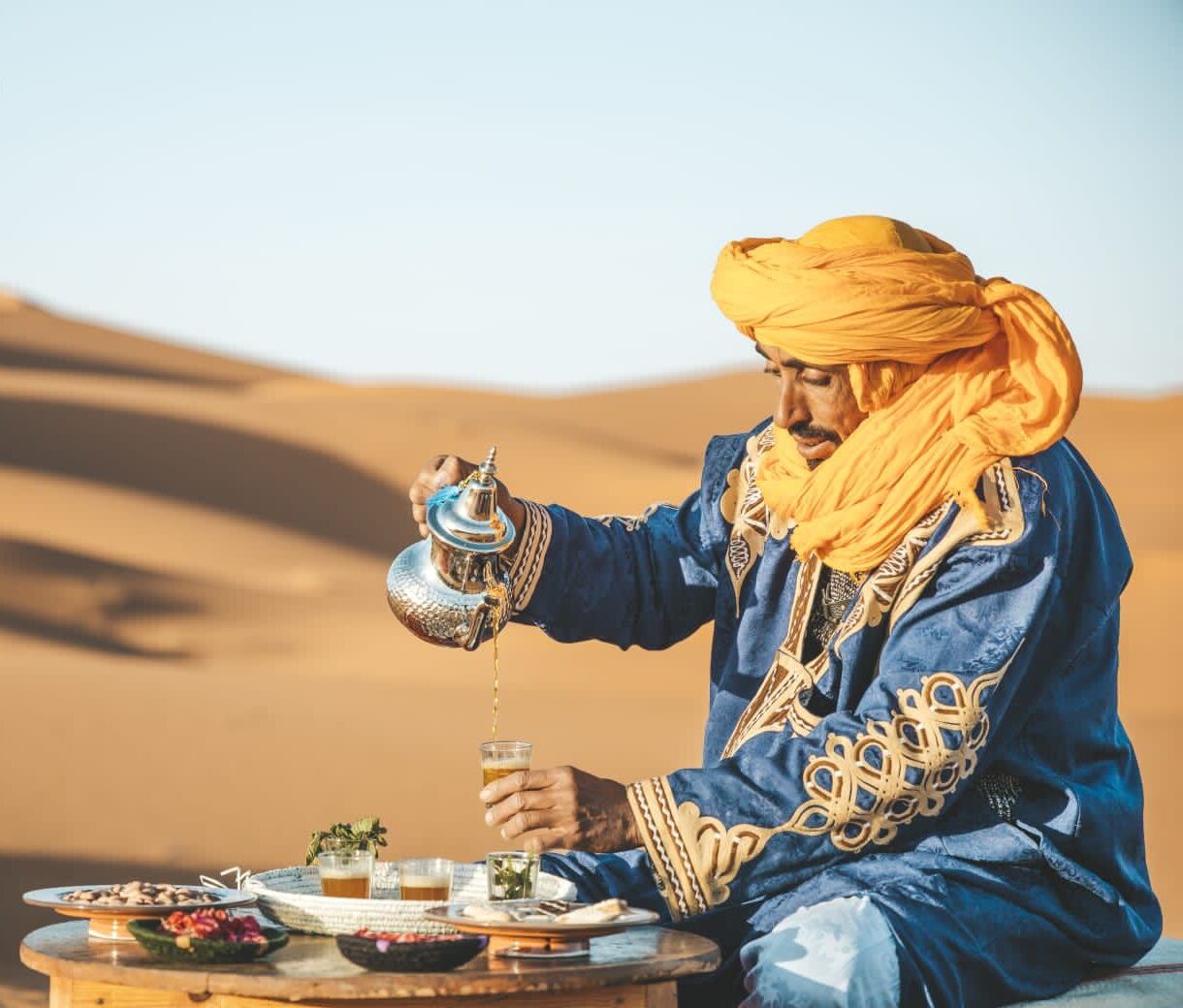
Upon arriving at the camp entrance, you'll typically be greeted warmly by staff. Many camps, including Original Desert Camp, have a small receiving area where you complete check-in while enjoying welcome refreshments—usually mint tea and dates, which hydrate you while honoring Moroccan hospitality traditions.
Camp Orientation
After settling into your accommodation, take time to explore the camp layout. Most Merzouga desert camps are designed to blend into the landscape rather than dominate it, featuring:
- Sleeping accommodations: Options range from traditional Berber tents (called "khaimas") with modern bedding to more upscale glamping setups. Quality camps ensure proper insulation and heating for cool nights.
- Central gathering areas: Common spaces where meals are served and guests socialize
- Bathroom facilities: Modern plumbing disguised within traditional desert aesthetic
- Activity staging areas: Where camel treks and other excursions depart
Don't hesitate to ask staff about logistics—where water is available, how to operate any equipment in your tent, and what time various activities begin. Good camps prioritize guest comfort and education.
Daily Activities: What to Expect
The Signature Camel Trek
The iconic Merzouga desert camp experience invariably includes a camel trek across the dunes. Here's what that actually entails:
The Animals: Desert camels (dromedaries with one hump) are surprisingly comfortable to ride once you adjust to their sway. They're working animals with extensive trekking experience—far calmer than you might expect. Staff will pair you with a suitable camel and demonstrate basic commands.
Duration and Distance: Most camps offer sunrise or sunset treks lasting 1-3 hours. These cover varying terrain—some routes emphasize dramatic dune formations, others incorporate Berber settlements or natural landmarks. Original Desert Camp offers several trek options accommodating different fitness levels and interests.
The Experience: The rhythm of camel walking is meditative. There's limited conversation, mainly the soft sound of hooves on sand and wind across dunes. You'll notice details—the texture of sand varying by location, how light transforms the landscape hourly, the absolute silence in certain valleys. Many visitors describe it as genuinely spiritual.
Practical Reality: Yes, it's bumpy. Yes, your legs might ache afterward if you're not accustomed to sitting in that position. But the discomfort is minor compared to the experience's impact. Wear comfortable clothing that allows full leg movement, and don't be shy about communicating with your guide if you're experiencing genuine pain.
Dune Exploration and Hiking
Beyond camel trekking, many camps offer hiking expeditions across different dune formations. These might include:
- Sandboarding: Sliding down steep dunes using specially designed boards (it's as fun as it sounds)
- Guided walks: Exploring the landscape's geology, ecology, and history with knowledgeable guides
- Photography excursions: Timing walks to capture the golden hour light that photographers dream about
Visiting Berber Villages
Authentic cultural experiences distinguish exceptional camps from merely adequate ones. Original Desert Camp and similar quality operations arrange visits to nearby Berber settlements where you can:
- Learn about traditional desert life
- Understand how communities adapt to extreme environments
- Support local economies through thoughtful tourism
- Share meals with families who welcome respectful visitors
These interactions are the antidote to feeling like you're merely passing through the landscape. You're actually connecting with the people who call the Sahara home.
Stargazing and Night Activities
The Sahara's remote location means minimal light pollution—the night sky here is genuinely spectacular. Most camps organize nighttime activities including:
- Stargazing sessions: Some camps partner with amateur astronomers or provide star maps
- Campfire gatherings: Socializing around traditional fires while enjoying local music
- Night photography: For those with camera skills
The Milky Way appears almost three-dimensional from the desert. Even without any special setup, simply lying on the sand and looking up is a profound experience.
Accommodation: Understanding Your Desert Home
Tent Types and Features
Merzouga camps offer varying accommodation styles, each with distinct characteristics:
Traditional Berber Tents (Khaimas): Authentic canvas structures with interior rugs, low furniture, and traditional aesthetics. They're surprisingly comfortable when properly equipped with quality mattresses and heating. They provide genuine cultural immersion.
Glamping Tents: Modern hybrid designs that maintain traditional exterior appearance while incorporating contemporary comfort—actual beds, heating systems, sometimes private bathrooms. Original Desert Camp offers premium glamping options that don't sacrifice the desert experience for convenience.
Luxury Dome Tents: Transparent or semi-transparent tops allowing stargazing from bed. These are increasingly popular among travelers seeking that balance between comfort and authentic experience.
Climate Control and Comfort
Quality camps invest heavily in making desert accommodation genuinely comfortable:
- Heating: Essential even in warm months given nighttime temperature drops. Look for camps using multiple heating methods.
- Insulation: Proper tent construction prevents heat loss and sand infiltration
- Bedding: Quality matters more than you'd expect—good blankets and mattresses transform your sleep
- Bathrooms: Modern plumbing hidden within traditional settings. Many camps now offer hot showers, which are luxurious after a dusty day.
Room Setup and Atmosphere
Beyond functional comfort, quality camps create atmosphere. Expect:
- Traditionally styled interior decoration
- Ambient lighting (usually oil lamps or carefully designed electric lighting)
- Small thoughtful touches like welcome amenities or evening turndown service
- Layout encouraging both privacy and community
Dining in the Desert: Culinary Experiences
Meal Timing and Structure
Most camps offer a consistent meal schedule: breakfast (typically 7-8 AM), lunch (1-2 PM), and dinner (7-8 PM). This structure accommodates activity schedules while ensuring guests are eating at regular intervals in the heat.
The Food Experience
Merzouga camp dining balances authenticity with quality:
Breakfast: Usually includes fresh bread, local cheese, olives, eggs prepared various ways, and fruit. Coffee and tea are excellent and plentiful.
Lunch: Often a large meal since it's the main dining event mid-day. Expect tagines (slow-cooked stews), couscous, grilled meats, and abundant vegetables. Vegetarian options are increasingly standard.
Dinner: Similar variety with different preparations. Camps often feature special meals—traditional Berber dinners with entertainment, or cuisines highlighting regional specialties.
Dietary Accommodations
Inform camps of dietary restrictions during booking. Allergies are taken seriously; vegetarian, vegan, and gluten-free diets are increasingly accommodated. Original Desert Camp, like quality establishments, prioritizes working with guests to ensure satisfying meals.
The Social Element
Camp meals are communal experiences where you'll dine with other guests and sometimes staff members. This is genuinely one of the most rewarding aspects—conversations over tagine with travelers from different countries, hearing their stories and sharing yours.
Activities Beyond Trekking: Deepening Your Experience
Cultural Workshops
Some camps offer workshops in traditional skills:
- Henna application: Learning body art traditions
- Berber cooking classes: Preparing traditional meals
- Carpet weaving or other crafts: Understanding artistic traditions
These aren't tourist performances—they're genuine opportunities to develop skills from practitioners.
Sunrise and Sunset Experiences
The Sahara's light quality at these times is extraordinary:
- Sunrise: Usually the quietest, most peaceful time. Fewer people on the dunes, spectacular color transitions
- Sunset: More dramatic and vibrant, with deeper reds and oranges painting the sky. Popular with photographers and romantic moments.
Both experiences reward early mornings or patience through the afternoon heat. The silence of the desert at these hours is profound—a stark contrast to the bustle of cities you've left behind.
Stargazing
Far from light pollution, the Sahara offers unobstructed views of the night sky. On clear nights, the Milky Way is visible in stunning detail. Many camps provide blankets and tea while you recline on the sand, identifying constellations and contemplating the vastness above. It's a humbling experience that reconnects you with the cosmos in a way few places on Earth can match.
Camel Trekking Routes
Beyond standard dune tours, camps often offer multi-day camel expeditions:
- Extended routes: Venturing deeper into remote dunes, camping under stars in pristine locations
- Nomadic visits: Meeting Berber families and learning about traditional desert life
- Photography expeditions: Guided routes designed specifically for capturing the landscape
These deeper immersions reveal the Sahara's scale and complexity in ways day trips cannot.
Final Thoughts
A stay at Original Desert Camp transcends the typical tourist experience. It's about embracing stillness, connecting authentically with culture and landscape, and understanding why the Sahara has captivated travelers for millennia. Whether you're seeking adventure, spiritual renewal, or simply a break from modern life, the desert delivers transformative moments that linger long after you've returned home.