
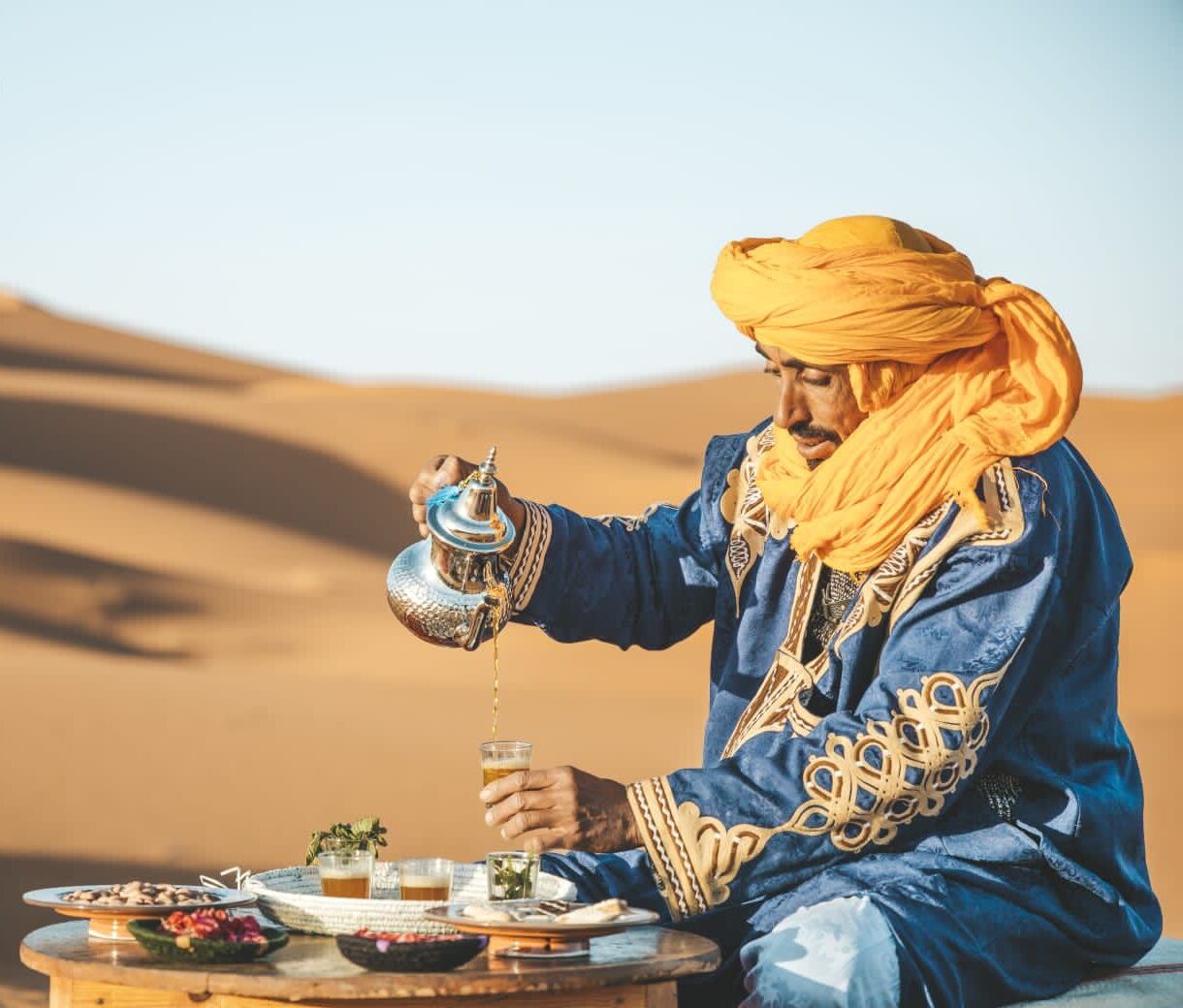
Merzouga Desert Camp with Heated Tents: Staying Warm in the Sahara
When most people think about desert camping, they imagine scorching days and freezing nights. While that romantic notion has some truth to it, modern Merzouga desert camps have revolutionized the experience by combining authentic Saharan hospitality with genuine comfort features—most importantly, heated tent accommodations that keep you cozy throughout the night.
If you've been wondering whether a Merzouga desert camp experience is possible during cooler months, or if you simply want to ensure maximum comfort during your visit to Erg Chebbi, this comprehensive guide will help you understand everything about heated tents and winter camping in Morocco's most iconic sand dunes.
Understanding the Merzouga Desert Climate
Before diving into heating solutions, it's important to understand what you're actually dealing with when you visit Erg Chebbi. Merzouga sits at approximately 800 meters above sea level in southeastern Morocco, and the climate here is dramatically different from popular misconceptions about the Sahara.
Temperature Variations Throughout the Year
The Sahara near Merzouga isn't uniformly hot year-round. During summer months (June through August), daytime temperatures regularly exceed 40°C (104°F), but even then, nights can drop to 15°C (59°F) due to the desert's low humidity and lack of atmospheric insulation.
Winter is when things get genuinely cold. From December through February, daytime temperatures typically range from 15-20°C (59-68°F), while nights plummet to 5°C (41°F) or lower. On particularly harsh nights, temperatures can approach freezing, and rare snow has even fallen on the highest dunes in recent years.
The shoulder seasons—autumn and spring—offer the most pleasant weather, with daytime temperatures between 25-30°C (77-86°F) and cooler but manageable nighttime conditions. However, even during these comfortable seasons, the temperature drop after sunset can be significant and surprising to unprepared visitors.
The Desert's Deceptive Nature
The Sahara's aridity creates extreme temperature swings. Without cloud cover or humidity to trap heat, whatever warmth the sand absorbed during the day radiates away rapidly once the sun sets. This is why even summer desert nights require a light jacket, and winter nights demand substantial heating solutions.
Why Heated Tents Matter in Merzouga
While some travelers romanticize the "authentic" experience of sleeping in a cold tent, the reality is that discomfort disrupts your experience and can pose health risks. Here's why heated accommodations have become essential for quality desert camp experiences:
Comfort and Sleep Quality
You came to Merzouga to experience the magic of the Sahara—the star-filled skies, the peaceful silence, the sense of timelessness. None of that magic is enhanced by shivering through the night. Heated tents ensure you actually rest, so you wake refreshed and can fully appreciate the experience.
At Original Desert Camp, our heated tent accommodations allow you to sleep deeply and wake ready for sunrise experiences like watching the sun emerge over Erg Chebbi's towering dunes or exploring the landscape on camelback.
Health and Safety Considerations
Extended exposure to cold, damp conditions increases the risk of hypothermia, especially for travelers not acclimated to extreme temperature variations. This is particularly important for older adults, families with children, and anyone with cardiovascular concerns. Heated tents eliminate this risk entirely.
Extended Travel Season
Heated tents democratize desert travel. Without them, the Merzouga experience becomes a summer-only endeavor. With proper heating, travelers can visit during the more comfortable autumn and winter months, avoiding the extreme summer heat while still experiencing everything that makes the Sahara special.
Types of Heating Systems Used in Merzouga Desert Camps
Not all heated tents are created equal. Understanding the different heating technologies helps you choose the right camp for your needs and comfort level.
Traditional Charcoal Braziers
Some budget camps rely on open charcoal braziers inside tents. While undeniably warm, this approach presents significant safety concerns including carbon monoxide risk, fire hazards, and poor temperature regulation. We don't recommend this method, and most quality camps have moved away from it.
Portable Electric Heaters
Many mid-range camps use standard electric heaters powered by generators. These work well and provide reliable, controllable warmth. The main drawback is noise from the generators, which can run throughout the evening hours.
Centralized Heating Systems
Premium Merzouga desert camps, including Original Desert Camp, utilize centralized heating infrastructure. Rather than individual heaters in each tent, warm air or heated water circulates through tubes or channels integrated into the tent structure. This approach offers:
- Consistent, safe warmth without open flames or carbon monoxide concerns
- Quieter operation since central systems can be positioned away from sleeping areas
- Better temperature control across the entire tent
- Improved humidity since some systems include moisture management
Passive Solar Heating Integration
The best heated tent designs combine active heating systems with smart passive solar principles. Tent positioning optimizes southern exposure during the day, and insulation materials help retain warmth overnight. Black exterior panels absorb solar radiation, while interior reflective surfaces direct that heat inward.
What to Expect at Original Desert Camp's Heated Accommodations
Our Merzouga desert camp prioritizes guest comfort without compromising authenticity. Here's what heated tent camping actually feels like at Original Desert Camp:
The Tent Experience
Our heated tents maintain comfortable interior temperatures even on the coldest Saharan nights. Rather than fighting with blankets or lying awake, you'll find yourself comfortable enough to sleep naturally and wake rested. The heating is gentle and consistent—never stuffy or oppressively hot.
Each tent is designed with quality insulation and strategic ventilation to prevent condensation while maintaining warmth. This matters more than you might think; poorly heated tents can develop interior moisture problems that make everything feel damp and uncomfortable.
Layered Comfort
Beyond the heating system itself, our tents include premium bedding with high-quality blankets and pillows. We understand that comfort is layered—the heating system creates the foundation, but proper bedding completes the experience.
During winter months, we also provide additional blankets and heated water bottles upon request, giving guests control over their personal comfort level.
Maintaining Authenticity
Heated accommodations don't mean sacrificing the authentic Saharan experience. Your tent still opens directly to the desert landscape. You still hear the wind, watch the stars, and feel the vastness of Erg Chebbi. The only difference is that you experience it from a place of warmth and comfort rather than misery.
Planning Your Visit: Best Times for Heated Tent Camping
Peak Winter Season (December to February)
This is when heated tents become absolutely essential. Winter brings the most dramatic temperature drops and the fewest tourists, creating a more peaceful, introspective desert experience. If you're contemplating a Merzouga desert camp winter stay, understand that you'll need—and absolutely benefit from—proper heating.
The upside? Winter offers crisp, clear nights with phenomenal stargazing, cooler days perfect for dune exploration, and a sense of solitude and tranquility that summer simply can't match.
Shoulder Seasons (October-November, March-April)
These are arguably the best times to visit. Temperatures are mild, the landscape is beautiful, and crowds are moderate. While nights can still be cool enough to appreciate heating, they're not intensely cold. Many travelers find this Goldilocks zone perfect for their Merzouga experience.
Late Spring and Early Summer (May-June)
Daytime temperatures climb rapidly, but nights remain cool enough that heating is still appreciated. By July, heating becomes more of a luxury than a necessity, though some guests still prefer it for the subtle difference in sleeping comfort.
Avoiding Peak Summer
Unless you have a specific reason to visit during July-August, we generally recommend avoiding the peak heat season. Daytime temperatures exceeding 40°C can be genuinely dangerous for outdoor activities like dune trekking, and the extreme heat of the day makes the experience less enjoyable overall.
Preparing for Your Merzouga Desert Camp Experience
What to Pack
Even with heated tents, bring layers:
- Lightweight but warm clothing for evening hours
- A quality jacket for temperature swings
- Comfortable walking shoes with good grip for dunes
- Sun protection (sunscreen, hat, sunglasses—the sun is intense even on cool days)
- Personal toiletries, though quality camps provide basics
- Any medications or personal health items you might need
Managing Expectations
A heated Merzouga desert camp with high-dune access still involves genuine desert experiences. You'll wake early, possibly hike or ride camels on sand, and spend time in an environment that's fundamentally different from your daily life. The heating ensures comfort during rest and evening hours, not during active exploration.
Communication with Your Camp
When booking a Merzouga camp with heated tents, communicate your specific comfort needs. If you run particularly cold, mention it when reserving. Quality camps like Original Desert Camp can ensure extra bedding or make heating adjustments to match your preferences.
The Real Value of Heated Tents Beyond Temperature
There's something about genuine warmth in a cold environment that extends beyond physical comfort. It creates a psychological sense of security and contentment that enhances the entire experience.
When you're warm, fed well, and comfortable, you can actually relax and absorb the experience. You notice details—the way starlight reflects off sand, the particular quality of silence in the desert, the warmth of human connection with Berber guides and staff. You're present rather than distracted by discomfort.
This is why Original Desert Camp emphasizes heated accommodations. We're not trying to eliminate the desert experience; we're trying to ensure you actually enjoy it fully.
Conclusion: Embrace Comfort in the Sahara
The idea that authentic desert experiences require suffering is romanticized nonsense that has no place in modern travel. The Merzouga desert is extraordinary and moving precisely because of its landscape, culture, and atmosphere—not because of cold nights.
Choosing a Merzouga desert camp with heated tents doesn't diminish your experience; it enhances it. You'll wake refreshed, explore with energy, connect with the landscape more fully, and return home with genuine appreciation rather than lingering complaints about being cold.
Whether you're planning a Merzouga high-dune camp with heated tents for a winter adventure, a spring escape, or an autumn retreat, prioritize comfort as part of your booking criteria. The desert will reveal its magic far more readily to someone who's warm, rested, and genuinely content.
At Original Desert Camp, we've spent years perfecting the balance between authentic Saharan hospitality and guest comfort. The result is an experience that honors the desert's majesty while respecting your need for warmth and rest. That's the future of desert travel, and it's worth seeking out.