
Merzouga Desert Camp in July: Surviving and Thriving in Peak Summer Heat
July is the hottest month in the Sahara Desert, and Merzouga is no exception. If you're considering a desert camp experience during this intense season, you're probably wondering whether it's even possible to enjoy yourself, let alone thrive in the heat. The good news? With proper preparation and realistic expectations, a July visit to a Merzouga desert camp can actually be one of the most rewarding times to experience the Sahara—and it's considerably less crowded than spring and fall months.
This comprehensive guide will walk you through everything you need to know about visiting Merzouga in July, from what to expect temperature-wise to practical strategies for staying comfortable while exploring Erg Chebbi's magnificent sand dunes.
Understanding Merzouga's July Climate
The Reality of Desert Heat
When people ask about visiting a Merzouga camp in July, the first concern is always temperature. And rightfully so—July is genuinely hot in the Sahara. At Original Desert Camp, located in the heart of Erg Chebbi, you can expect daytime temperatures to regularly reach 45-50°C (113-122°F), with some days pushing even higher.
However, there's an important nuance many travelers miss: desert heat is dramatically different from humid heat. The Sahara's extremely low humidity levels—often below 20%—mean that your body can cool itself through perspiration much more effectively than in tropical or subtropical climates. This doesn't make 50°C comfortable, but it does make it more bearable than you might imagine.
Night Temperature Swings
One of the most striking features of the desert climate is how dramatically temperatures drop after sunset. While your camp area might be 48°C at 3 PM, by 10 PM it will have dropped to around 25-28°C (77-82°F). By midnight, temperatures can fall to 20°C (68°F) or lower. This swing is crucial for planning your days—the cooler evenings and nights become your time to truly explore and enjoy the landscape.
This temperature phenomenon is why traditional Berber nomads planned their activities around daylight hours, resting during the peak heat of midday. At a quality Merzouga desert camp like Original Desert Camp, the infrastructure—including tents designed for desert conditions—accounts for these temperature variations, ensuring your comfort throughout the day and night.
What to Pack for July in Merzouga
Clothing for Extreme Heat
Your wardrobe choices can make or break your Merzouga desert camp experience in July. This isn't the time for fashion; it's the time for function.
Essential items include:
- Lightweight, loose-fitting clothing in natural fabrics: Cotton and linen are your friends. Loose clothing allows air circulation around your body while still providing protection from the sun. Plan for long sleeves and pants—sunburn in the Sahara is no joke and can ruin your entire experience.
- A wide-brimmed hat: This is non-negotiable. Wide-brimmed hats protect not just the top of your head but also your face, ears, and neck.
- Sunglasses: UV protection is critical in the desert where there's minimal atmospheric filtering.
- A lightweight scarf or shemagh: These traditional Berber garments are perfect for wrapping around your head and neck for additional sun protection, plus they can be unwrapped to cool you down. They're also practical for protecting your face from wind and sand during dune excursions.
- Layers for evening: Even though days are scorching, evenings get genuinely cool. Bring a lightweight sweater or long-sleeved shirt for evening activities around the camp fire.
Sun and Skin Protection
- High-SPF sunscreen: Bring at least SPF 50+ and reapply frequently, especially after swimming or excessive perspiration.
- Lip balm with SPF: This gets overlooked but is essential.
- Sunburn relief: Aloe vera gel or specialized after-sun products help if you do get burned despite precautions.
- Moisturizer: The dry desert air will dehydrate your skin significantly. A good moisturizer helps prevent discomfort.
Hydration and Health
- Reusable water bottle: Bring a substantial water bottle (at least 1.5 liters). Many Merzouga desert camps, including Original Desert Camp, provide water, but having your own ensures you can drink whenever needed without relying on camp schedules.
- Electrolyte supplements: In extreme heat, water alone isn't sufficient. Electrolyte tablets or powders help your body retain fluids properly.
- Medications: Bring any personal medications in their original containers, plus extras in case of delays.
- Motion sickness medication: If you're prone to motion sickness, the camel rides on undulating dunes can trigger it. Consider bringing medication in advance.
Additional Essentials
- Sturdy, closed-toe hiking shoes: Essential for dune exploration. Open-toed shoes allow sand into your socks and leave your feet vulnerable to burns and blisters.
- Comfortable camp shoes: Lightweight sandals or slip-ons for use around camp.
- Toiletries adapted for desert conditions: Your normal routine might not work in extreme heat and low humidity.
- Medications for common desert ailments: Consider bringing remedies for indigestion, as diet changes and rich camp meals can affect some travelers.
Staying Comfortable at Your Merzouga Desert Camp
Camp Amenities and Facilities
The quality of your Merzouga camp in July directly impacts your experience. Original Desert Camp is specifically designed with summer conditions in mind. The traditional Berber tents use multiple layers of heavy fabric that provide excellent insulation—keeping heat out during the day while retaining warmth on cool nights.
Modern camps in Merzouga also typically feature:
- Adequate ventilation: Tent designs allow for air circulation while maintaining privacy.
- Shade structures: Central gathering areas with solid roofing or dense fabric covering provide essential relief from direct sun.
- Access to water: Beyond drinking water, many quality camps provide water for washing and bathing, crucial for both hygiene and cooling down.
- Electricity: Most contemporary camps offer charging stations for devices and, increasingly, air conditioning in select accommodations for those who need it.
Daily Rhythm and Heat Management
The key to thriving during July at a Merzouga desert camp is adapting your schedule to the desert's natural rhythms rather than fighting them.
Suggested daily structure:
- Early morning (5-7 AM): Take your camel trek or dune walk while temperatures are still manageable. Sunrise over Erg Chebbi is breathtaking and the cooler morning air makes exploration genuinely enjoyable.
- Mid-morning (8-11 AM): Return to camp for breakfast and rest as temperatures climb.
- Midday (11 AM-4 PM): This is your downtime. Spend it in the shade, reading, resting, or swimming if your camp has a pool. Even lying in your tent with good ventilation is fine—this is not the time to push yourself.
- Late afternoon (4-6 PM): As temperatures begin dropping, you can become more active. This might include a short walk, photography, or interaction with camp staff learning about Berber culture.
- Evening onward (6 PM+): Once the sun sets, temperatures become pleasant and this is the prime time for activities. Evening dune walks, stargazing, and Berber dinner feasts are far more comfortable and ultimately more memorable than struggling through midday heat.
Hydration Strategy
Proper hydration requires more than just drinking water when you're thirsty. In the extreme heat of Merzouga in July:
- Drink water consistently throughout the day, even if you don't feel particularly thirsty. The desert's low humidity means you might not notice perspiration—you're sweating without realizing it.
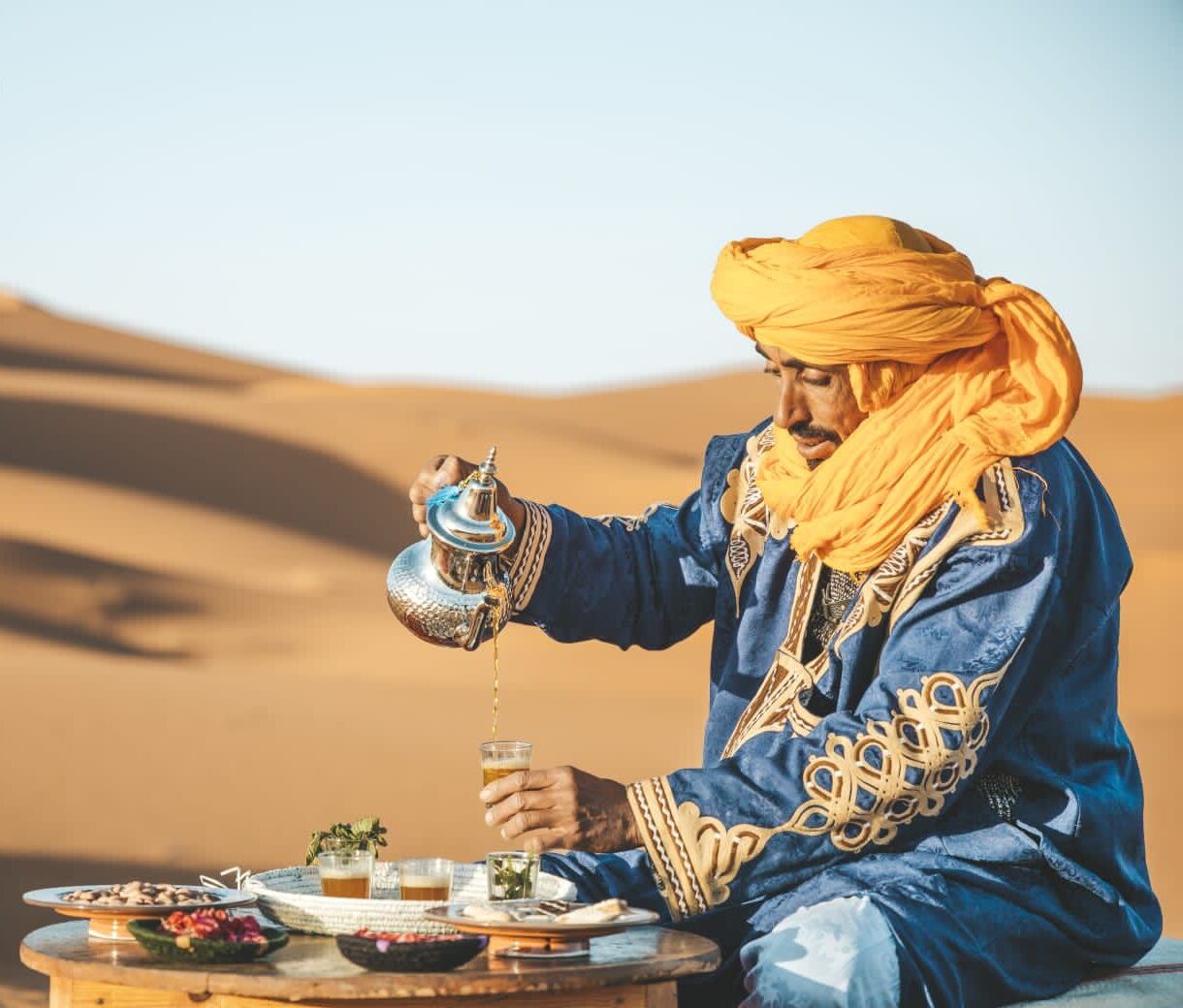
- Avoid excessive caffeine and alcohol, which increase dehydration. Many camps serve traditional mint tea, which is ideal—the hot liquid encourages sweating, which cools you through evaporation.
- Monitor your urine color. If it's dark, you're not drinking enough. Pale or clear urine indicates good hydration.
- Don't wait until you feel unwell to increase water intake. Heat exhaustion and dehydration develop gradually.
Activities During Peak Summer
Morning and Evening Adventures
Camel Trekking: July mornings offer ideal camel trekking conditions. The early light transforms the sand into incredible shades of gold and amber, and temperatures are manageable. At Original Desert Camp, guides time treks to maximize comfort and photographic opportunity.
Dune Walks: Accompanied walks across Erg Chebbi's vast dunes are best undertaken in early morning or late afternoon. The physical exertion of walking on sand requires cooler temperatures to be safe and enjoyable.
Photography: The stark, dramatic light of desert mornings and evenings provides exceptional photography opportunities. Many serious photographers actually prefer summer months for the clarity and intensity of light.
Daytime Activities
Berber Culture Experiences: Spend midday hours learning about traditional Berber life. Camp staff at Original Desert Camp can teach you about desert survival techniques, traditional crafts, and local history—all conducted in the shade of the camp's covered areas.
Rest and Relaxation: This isn't wasted time. Reading, journaling, meditation, or simply observing the desert landscape contributes meaningfully to your experience. Many travelers find the enforced slowness of midday heat to be deeply restorative.
Skill Development: If your camp offers workshops in traditional cooking, henna application, or other crafts, midday can be ideal for these activities since they're conducted indoors or under shade.
Evening and Night Experiences
Stargazing: The Sahara's remote location and lack of light pollution make it ideal for astronomy. July's clear skies (very few clouds during summer months) reveal the Milky Way in stunning detail. Some camps arrange stargazing sessions with information about constellations and desert navigation techniques that ancient traders used.
Berber Dinner and Music: Evening meals at camps like Original Desert Camp are culinary and cultural highlights. Traditional tagine dishes, bread cooked in sand, and mint tea accompany Berber music and storytelling. The cooler evening air makes these gatherings genuinely comfortable.
Night Dune Exploration: Some camps offer night walks on the dunes, though these require adequate lighting and guide supervision. The desert under starlight is ethereal.
Health and Safety Considerations
Heat-Related Illness Prevention
July heat in Merzouga is serious. Heat exhaustion and heat stroke are real risks, but they're entirely preventable through awareness and sensible precautions.
Warning signs of heat exhaustion include:
- Dizziness or lightheadedness
- Nausea
- Excessive fatigue
- Headache
- Cool, clammy skin despite high temperatures
If you experience these symptoms, immediately move to shade, drink water with electrolytes, and rest. Inform camp staff—they're experienced with heat-related issues.
Heat stroke is more serious (body temperature above 40°C/104°F) and requires immediate medical attention. Symptoms include confusion, loss of consciousness, and hot, dry skin. While rare among informed travelers, heat stroke is a medical emergency.
Sun Protection Beyond Sunscreen
- Reapply sunscreen every two hours, or more frequently if you're sweating heavily or swimming.
- Wear UV-protective clothing rather than relying solely on sunscreen.
- Avoid sun exposure during peak hours (11 AM-4 PM) whenever possible.
- Remember that sand and water reflect UV rays, increasing exposure even in shade.
Medical Facilities
Merzouga has basic medical facilities in the town proper, but for serious issues, you'd need to travel to larger cities. Travel insurance that covers evacuation is genuinely important. Original Desert Camp maintains first aid supplies and staff trained in basic emergency response, but camps can't substitute for professional medical care for serious conditions.
Realistic Expectations for July
What Makes July Different
Visiting a Merzouga desert camp in July is a different experience than visiting in October or April, and that's not inherently negative. July brings:
- Fewer tourists: You'll share the experience with far fewer other travelers. Some camps operate at 50% capacity or less in July.
- More authentic interaction with guides and staff: With smaller groups, you get more personalized attention and deeper cultural exchanges.
- Lower prices: Many camps offer significantly reduced rates for July, offsetting the heat challenge.
- Unique photography opportunities: The rare atmospheric conditions in extreme heat create unusual light and shadow patterns that photographers find compelling.
- A more introspective experience: The heat naturally encourages slower pacing, longer conversations, and deeper reflection under the stars at night.
The Night Experience Remains Magical
Here's what doesn't change in July: the night sky. Once the sun sets around 9 PM, temperatures drop significantly, and the Sahara becomes genuinely pleasant. The stars remain just as brilliant, the silence just as profound, and the sense of connection to the desert just as transformative. Many visitors find that July's smaller crowds actually enhance this experience—fewer light sources from other camps, fewer voices, more intimacy with the landscape.
The evening meal tastes better when you're finally cool. The mint tea feels like a genuine comfort rather than an obligation. Conversations around the fire pit flow more naturally when there's space to breathe.
Final Thoughts
July in Merzouga demands respect for the climate and honest self-assessment about your heat tolerance. But it also offers something many desert enthusiasts actively seek: solitude, authenticity, and a deeper reckoning with the Sahara's true character. Original Desert Camp welcomes July visitors who come prepared, informed, and genuinely interested in experiencing the desert on its own terms rather than on tourist-season convenience. If you decide to visit during this month, you won't just survive the heat—you'll likely discover a side of Morocco that fewer people ever witness.