
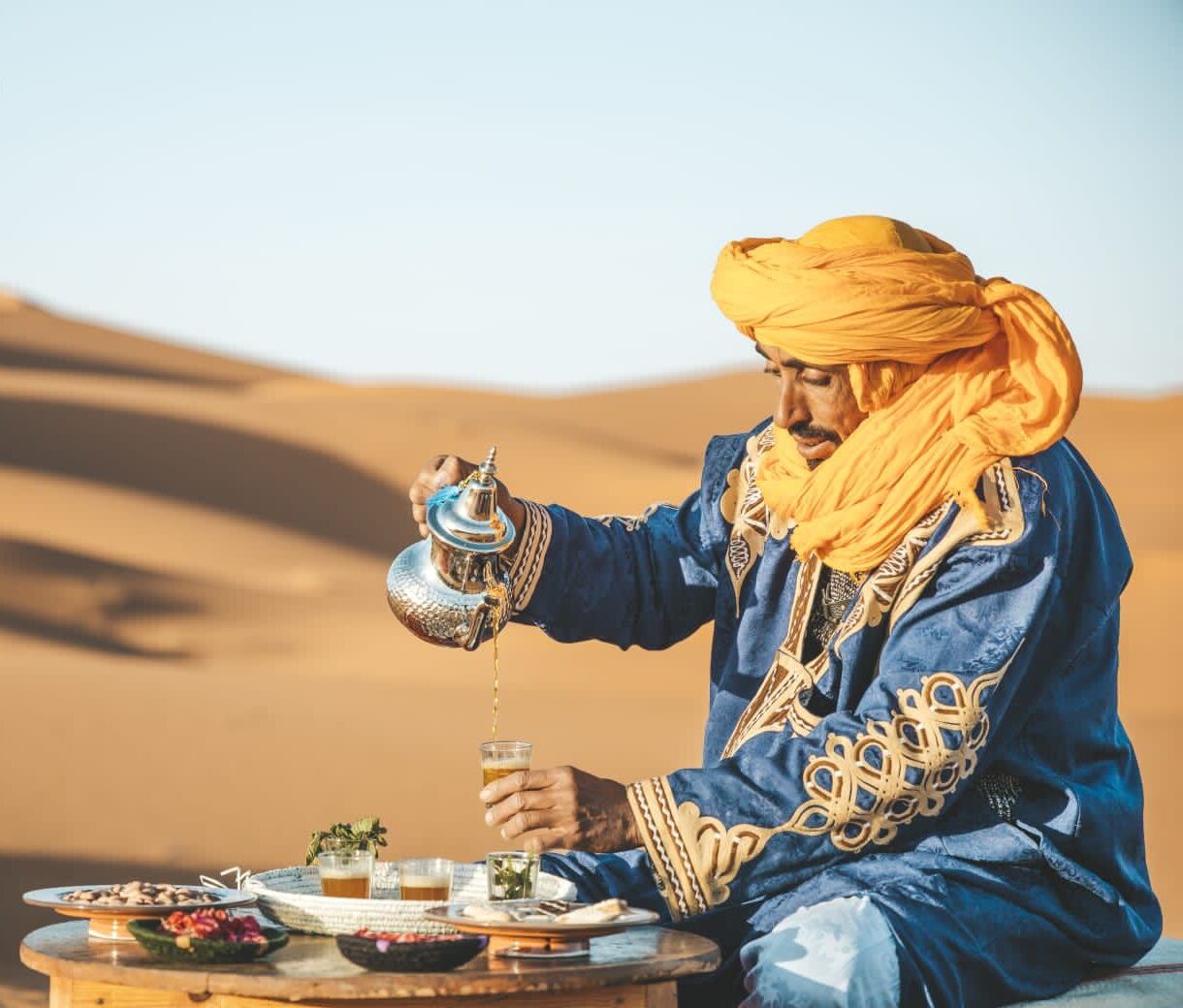
Merzouga Desert Camp in June: Summer Tips and What to Expect
June is undoubtedly one of the most challenging months to visit the Sahara Desert, yet it's also a time when the landscape transforms into something almost otherworldly. If you're considering a Merzouga camp experience in June, you're signing up for an adventure that demands respect, preparation, and the right mindset. This comprehensive guide will walk you through everything you need to know about visiting Erg Chebbi during Morocco's hottest month.
Understanding June Weather in Merzouga
Temperature Extremes
June in Merzouga is brutally hot. While daytime temperatures typically hover between 40-48°C (104-118°F), some years see readings exceeding 50°C (122°F). However, what many travelers don't realize is that the desert experiences dramatic temperature swings. Nighttime temperatures can plummet to 15-20°C (59-68°F), creating a 25-30 degree difference between day and night.
This temperature oscillation has real implications for your packing and planning. During the day, you'll be melting under the relentless sun, but as evening settles over the golden dunes of Erg Chebbi, you'll appreciate having layers to stay warm during your desert camp experience.
Humidity and Air Quality
Unlike summer heat in coastal regions, Merzouga's heat is exceptionally dry. The relative humidity typically ranges from 15-25%, which might sound pleasant in theory, but it actually accelerates dehydration. Your body's natural cooling mechanism—perspiration—evaporates so quickly that you might not realize how much fluid you're losing.
Additionally, June occasionally brings harmattan winds—hot, dry winds that blow from the Sahara northward. These winds can reduce visibility and create uncomfortable conditions, though they're more common in spring and autumn than summer.
What to Expect During Your June Visit
Daily Rhythm at the Camp
Life at Original Desert Camp—or any well-managed Berber camp in the region—shifts dramatically during June to accommodate the intense heat. The typical day unfolds like this:
Early Morning (5:00-8:00 AM): This is prime exploration time. Most camps organize early morning desert activities, including camel treks or 4x4 excursions, before the sun reaches its peak. The soft golden light of dawn illuminates the dunes beautifully, and temperatures are still relatively manageable at 25-30°C (77-86°F).
Mid-Morning to Early Afternoon (9:00 AM-4:00 PM): This is when most camps encourage guests to rest in their tents or in shaded areas. Original Desert Camp and similar establishments provide comfortable, well-ventilated accommodations with traditional design elements that help keep interior temperatures several degrees cooler than the outside air. Many camps offer air conditioning or natural ventilation strategies developed over centuries of desert living.
Late Afternoon (4:00-6:00 PM): As the sun begins its descent, a second wave of outdoor activity commences. This is an excellent time for exploring nearby attractions like the town of Merzouga itself, visiting the small but fascinating desert museum, or simply walking the dunes as shadows lengthen and temperatures begin to drop.
Evening (7:00 PM onward): Sunset in Merzouga during June is spectacular—the sky can display shades of orange, pink, and deep purple as the sun disappears behind the western dunes. Dinner at your camp typically happens around 8:00-9:00 PM, with traditional Moroccan cuisine served under the stars.
Tourist Crowds
June is considered low season in Merzouga. While December through March sees the camp filled with visitors, June typically has significantly fewer guests. For many travelers, this is a major advantage—you'll experience a more intimate, authentic desert experience without the crowds. However, this also means some activities might not run, or you might be the only guests participating in them.
Practical Tips for Visiting a Merzouga Camp in June
Hydration Strategy
This cannot be overstated: hydration in June is absolutely critical. The combination of extreme heat and low humidity means your body loses water at an alarming rate. Here's what experienced desert travelers recommend:
- Drink at least 3-4 liters of water daily, ideally more
- Don't wait until you're thirsty to drink—by then, dehydration has already begun
- Carry electrolyte supplements or tablets to replace minerals lost through perspiration
- Avoid excessive caffeine and alcohol, which accelerate dehydration
- Most camps, including Original Desert Camp, provide complimentary bottled water and can typically source additional supplies
Sun Protection
The Saharan sun in June is unforgiving. UV rays penetrate the atmosphere more directly near the equator, and the reflection off sand amplifies exposure.
Essential sun protection includes:
- High SPF sunscreen (50+) applied generously and reapplied every 2 hours
- A quality wide-brimmed hat or traditional Saharan tagelmust (head wrap)
- UV-protective sunglasses
- Long, loose-fitting clothing in light colors—paradoxically, covering up actually keeps you cooler
- Lip balm with SPF protection
Consider bringing a lightweight long-sleeve shirt made from moisture-wicking fabric. Traditional Berber clothing, worn by locals for centuries, offers excellent sun protection while allowing airflow.
Clothing Recommendations
Your packing list for June should include:
- 4-5 lightweight shirts and pants (loose-fitting)
- A light sweater or fleece for nighttime temperatures
- Closed-toe hiking boots or sturdy sandals for walking dunes
- Sleepwear (temperatures drop significantly at night)
- Swimwear if your camp has a pool or water cooling facilities
- A lightweight scarf or shawl for sun protection and cultural sensitivity
Activities Worth Experiencing
Despite the heat, June offers some unique opportunities:
Camel Trekking at Dawn: Riding camels across Erg Chebbi's massive dunes as the sun rises is magical year-round, but in June, starting at 5:30 AM means you'll be back at camp by 9:00 AM before peak heat arrives. The experience of moving slowly across rippling sand, with nothing but the sound of the camel's footfalls, is profoundly meditative.
Stargazing: June nights offer exceptional star visibility. Away from any light pollution, the Milky Way stretches across the sky with stunning clarity. Original Desert Camp's open-air sleeping areas or rooftop terraces provide perfect stargazing spots. The cooler nighttime temperatures actually make spending time outside more comfortable than during the day.
Photography: If you're a photographer, the quality of light in June can be extraordinary. The golden hour—the first and last hours of sunlight—produces warm, flattering light that makes the dunes glow. The dramatic cloud formations that occasionally appear against the intense blue sky create stunning compositions.
Cultural Interactions: With fewer tourists around, you'll have more genuine opportunities to interact with Berber camp staff and local Bedouin families. Many camps arrange authentic experiences like learning to prepare traditional Moroccan cuisine or understanding traditional desert life practices.
Health Considerations for June Travel
Heat-Related Illness
Heat exhaustion and heat stroke are genuine risks in June. Recognize the warning signs:
Heat exhaustion symptoms: Heavy sweating, weakness, dizziness, nausea, normal body temperature Heat stroke symptoms: Lack of sweating, confusion, hot and red skin, very high temperature (above 40°C/104°F)
If you experience heat exhaustion, immediately move to shade, drink water slowly, and apply cool water to your skin. Heat stroke is a medical emergency requiring immediate professional help.
Acclimatization
If possible, plan a day in a cooler location (like Fez or Marrakech) before heading to Merzouga to begin acclimatizing to Morocco's climatic changes. Give your body 24-48 hours to adjust to the heat.
Medical Access
Merzouga village has a small clinic, but serious medical emergencies require transport to Errachidia (95 km away) or Fez (470 km away). Ensure you have comprehensive travel insurance that covers medical evacuation. Most established camps like Original Desert Camp maintain communication systems and relationships with medical facilities.
Why Some People Choose June
While June seems like an improbable time to visit Merzouga, certain travelers deliberately choose this month:
Budget Considerations: Accommodations, guides, and activities are typically 30-40% cheaper than peak season. If you're traveling on a tight budget, June offers better rates.
Solitude: If you're seeking a deeply authentic, undisturbed desert experience, June delivers exactly that. Fewer camps operate at full capacity, and those that do host genuine adventurers rather than casual tourists.
Unique Perspective: Experiencing the Sahara at its most extreme provides a visceral understanding of the landscape and the people who call it home. The Berber populations have thrived in these conditions for millennia, and understanding that resilience comes from experiencing the environment yourself.
Photography Opportunities: Professional photographers and serious enthusiasts often choose June specifically for the unique light quality and landscape drama.
Making the Most of Your Experience
Pre-Arrival Preparation
Before you arrive at Original Desert Camp or any Merzouga camp,:
- Build up your heat tolerance gradually if possible
- Consult with your doctor about the risks and your personal health status
- Arrange any necessary vaccinations well in advance
- Ensure your travel insurance explicitly covers desert activities and high-temperature environments
- Break in your hiking boots before arrival
Setting Expectations
June in Merzouga is not a comfortable, luxurious retreat—it's an adventure. You'll be uncomfortable at times. You'll be sweaty. You might experience moments of heat-induced fatigue. Approaching the experience with this realistic mindset allows you to appreciate the desert for what it truly is rather than expecting it to conform to your comfort zone.
Sleep Quality
The dramatic temperature drop at night means you'll likely sleep well, especially after a full day of desert activities. The silence of the desert, far from urban noise pollution, is remarkable. Many guests report some of their best sleep occurring at desert camps, despite initial concerns about the unfamiliar environment.
Conclusion
Visiting Merzouga's Erg Chebbi in June is certainly not for everyone, but for those prepared to embrace the challenge, it offers an unforgettable glimpse into one of Earth's most extreme and beautiful environments. The combination of careful planning, proper hydration, appropriate clothing, and realistic expectations transforms a potentially dangerous situation into a manageable and deeply rewarding adventure.
Original Desert Camp and similar well-established operations have refined the art of hosting guests during Morocco's hottest months. They understand the demands the season places on visitors and have developed systems to ensure your safety and comfort while maintaining the authentic desert experience that makes Merzouga special.
Whether you're drawn to June by budget constraints, a desire for solitude, or simply an adventurous spirit, approaching your trip with knowledge and preparation makes all the difference. The Sahara in June is unforgiving but magnificent—it demands respect and rewards those who meet its challenges with awe-inspiring memories that will last a lifetime.