Merzouga Desert Camp Packing List: What to Bring for the Perfect Stay
Planning a desert escape to Merzouga is thrilling, but packing for such a unique environment can feel overwhelming if you're unsure what to expect. The Sahara presents distinct challenges and opportunities that differ drastically from typical vacation destinations. Unlike a beach resort or city hotel, a desert camp experience requires thoughtful preparation to ensure maximum comfort and safety.
Whether you're heading to Original Desert Camp or another luxury Berber encampment at Erg Chebbi, this comprehensive Merzouga desert camp packing list will help you prepare for an extraordinary adventure. I've compiled this guide from years of hosting travelers and understanding what actually makes the difference between a good desert experience and an unforgettable one.
Understanding Merzouga's Climate and Conditions
Before diving into specific items, it's crucial to understand what you're actually packing for. Merzouga, located in southeastern Morocco near the Algerian border, sits at the edge of the Sahara Desert. Erg Chebbi, the dramatic sand dunes that dominate the landscape, creates one of North Africa's most mesmerizing natural environments.
The desert climate is extreme in ways that might surprise you. While many people assume deserts are simply "hot and sandy," Merzouga's conditions are far more nuanced. Daytime temperatures during summer can exceed 40°C (104°F), but nighttime temperatures can drop to 15°C (59°F) or lower, especially during winter months from November to March.
The Sahara is also windier than most expect. Khamsin winds occasionally sweep across the region, carrying sand and dramatically reducing visibility. Humidity is extremely low, which means your skin dehydrates rapidly. The sun's intensity is unforgiving—even on cloudy days, UV exposure is significant.
Understanding these conditions shapes everything you should pack for your Merzouga desert camp experience.
Clothing: The Foundation of Desert Comfort
Proper clothing is your primary defense against desert conditions, and it's where many first-time desert travelers make critical mistakes.
Lightweight, Loose-Fitting Layers
The key to desert dressing isn't wearing less—it's wearing the right things. Loose-fitting, breathable clothing is essential. Cotton and lightweight linen are your best friends. Fitted clothing restricts air circulation and traps heat against your body, making you feel hotter and sweat more.
Pack several lightweight long-sleeved shirts and pants. This might seem counterintuitive for a hot climate, but long sleeves and pants protect you from intense UV rays and provide ventilation when properly designed. At Original Desert Camp, many guests are surprised to learn that the best way to stay cool in the Sahara is actually by covering up strategically.
Aim for neutral earth tones—beige, tan, light brown, white, and pale gray. These colors reflect heat rather than absorbing it. They also blend beautifully with the desert landscape for photography.
The Essential Day Outfit
For daytime exploration and camel trekking at Erg Chebbi:
- 2-3 lightweight long-sleeved shirts (moisture-wicking or linen)
- 2-3 pairs of lightweight trousers or convertible pants
- 1 pair of lightweight shorts (optional, for extremely hot days)
- A lightweight, long cardigan or shirt jacket for layering
- Closed-toe hiking shoes or sneakers with good grip
- Lightweight socks that wick moisture
Sand gets everywhere in a desert camp, so closed-toe footwear is practical beyond sun protection. You'll appreciate the barrier between your feet and hot sand.
Night and Evening Wear
Evenings in Merzouga are noticeably cool, sometimes chilly. Pack:
- 1-2 warm layers (a fleece jacket or lightweight sweater)
- Long pants for evening comfort
- A scarf or shawl that can double as a wrap
- Warm socks or slip-on shoes for cooler nights
If you plan to dine at your desert camp's traditional Berber gathering area, as you would at Original Desert Camp, comfortable layered clothing is ideal. Many guests enjoy wearing traditional Moroccan clothing during evening gatherings—this is absolutely worth considering and can be arranged by most camps.
Special Considerations
If you're visiting during winter months (November to March), pack an additional warm layer such as a lightweight down jacket. The temperature differential between day and night is most pronounced during this season.
For women, it's worth noting that modest clothing is respectful in this region and also practical for the environment. Long skirts and dresses that cover the knees are appreciated. Many female guests at Original Desert Camp find that embracing the local dress style—whether a traditional jalabiya or simply longer, more modest pieces—enhances their cultural experience and comfort.
Footwear: Choose Wisely
Footwear decisions make an enormous difference in desert comfort, and this is one area where investing in quality truly pays dividends.
Primary Desert Hiking Shoe
Invest in a good pair of hiking shoes or sturdy sneakers with:
- Ankle support (valuable when walking on uneven dune surfaces)
- Thick soles (protects against hot sand and rocky terrain)
- Good grip and tread (sand can be slippery)
- Breathability (your feet will sweat despite the dry air)
Your primary shoe should be broken in before your trip. New shoes cause blisters, which become serious problems in a remote desert location.
Secondary Footwear Options
- Lightweight slip-on shoes or casual sneakers for camp use
- Sandals or flip-flops for moving around your camp accommodation
- If you're comfortable with it, lightweight casual shoes for evening activities
Many desert camps, including Original Desert Camp, have sandy pathways. Comfortable slip-ons for moving between your accommodation and dining areas are genuinely helpful. Sand also gets into socks, so having options is practical.
Pro Tip
Gaiters—simple fabric wraps that prevent sand from entering your shoes—are game-changers for extended dune walking. They're lightweight, inexpensive, and make a noticeable difference in foot comfort.
Sun Protection: Non-Negotiable
The Saharan sun is unforgiving in ways that temperate climates rarely are. Sun protection isn't optional; it's essential for health and comfort.
Sunscreen and Lip Protection
- High-SPF sunscreen (SPF 50+ is standard for the Sahara)
- Reef-safe formula if you're an environmentally conscious traveler
- A generous quantity—the dry air seems to absorb sunscreen faster
- Lip balm with SPF 30+
- Face sunscreen specifically formulated for face skin
Apply sunscreen 15 minutes before sun exposure and reapply every two hours, or more frequently if you're perspiring. Many Merzouga visitors underestimate how quickly they'll burn, especially on overcast days when the sun's intensity feels deceptive.
Hat and Head Protection
A wide-brimmed hat is essential, not optional. Look for:
- 3+ inch brim that covers ears and neck
- Lightweight breathable material
- A chin strap (helpful on windy days in Erg Chebbi)
- Light colors that reflect heat
Consider bringing both a wide-brimmed hat for daytime activities and a baseball cap or lighter hat for evening use.
Face and Neck Protection
A lightweight scarf, often called a buff or tubular scarf, serves multiple purposes:
- Protects exposed neck and upper chest
- Can cover your face during windy periods
- Provides extra sun protection when wrapped around your head
- Works as a dust barrier during the drive to Merzouga
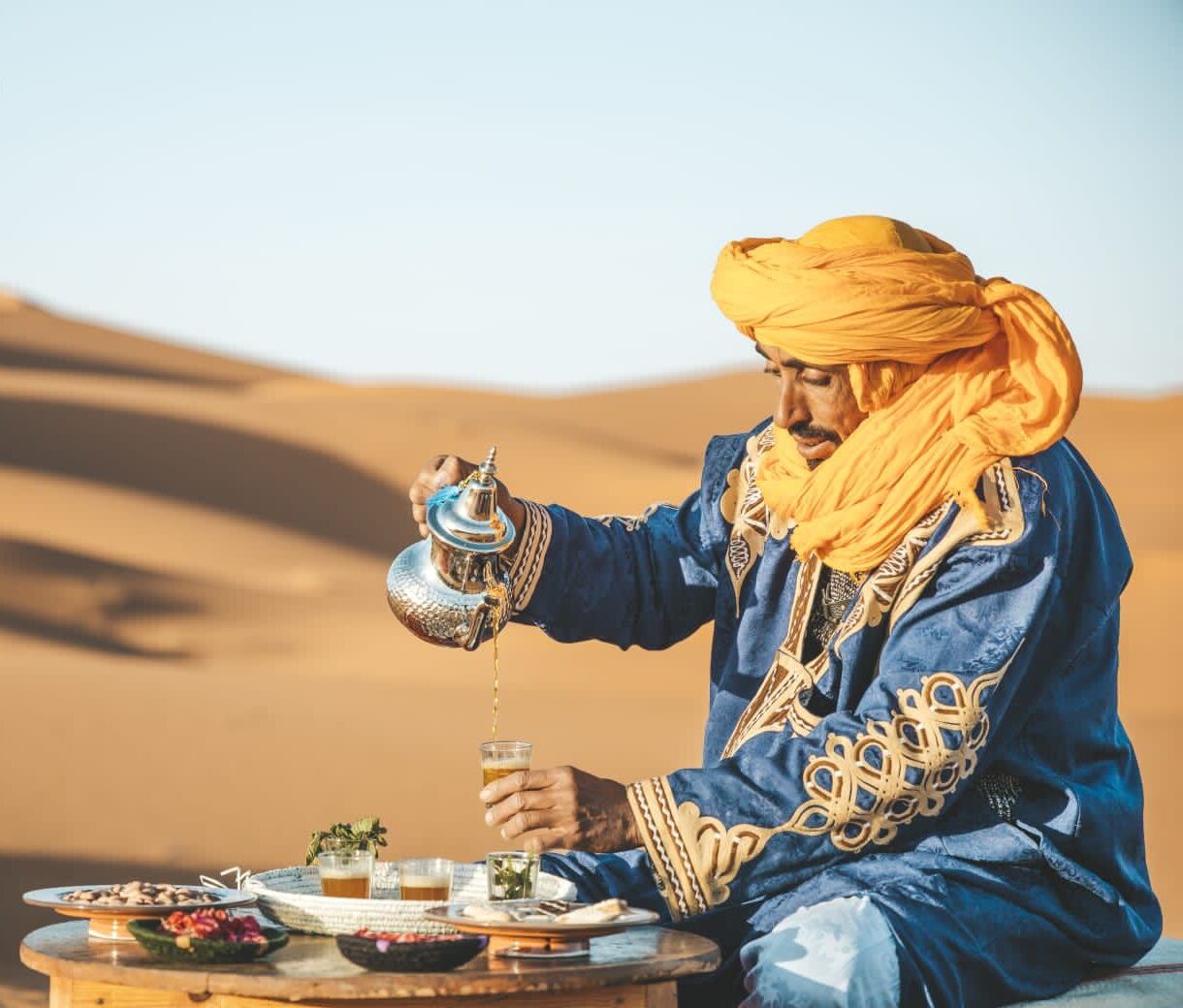
Many travelers at Original Desert Camp embrace the traditional Moroccan style by wearing a tagelmust (the traditional indigo-dyed head wrap worn by Berber men). This isn't necessary, but it's culturally interesting and practically effective.
Sunglasses
UV-protecting sunglasses aren't a luxury—they're protective gear. The desert sun reflects off sand, creating intense glare that can strain your eyes and accelerate conjunctivitis in dry conditions. Look for:
- 100% UV protection (UVA and UVB)
- Polarized lenses (reduce glare effectively)
- A secure fit or retention strap
- A protective case
Hydration and Health Essentials
Dehydration is the desert's most serious threat. The combination of heat, low humidity, and intense sun causes your body to lose water rapidly—sometimes without you noticing until it's advanced.
Water and Hydration Supplies
- A refillable water bottle (1-2 liters minimum) with insulation to keep water cool
- Electrolyte replacement packets or powder (plain water alone isn't sufficient for extended exertion)
- A collapsible water bottle for camp use (saves space in your luggage)
Your desert camp will provide water, but carrying your own during activities is crucial. At Original Desert Camp, we provide water bottles and refilling stations, but bringing your own gives you complete control over hydration during excursions.
First Aid and Health Items
Pack a basic first aid kit including:
- Blister treatment supplies (prevention and treatment)
- Antihistamine cream for insect bites
- Anti-diarrheal medication
- Pain relievers (ibuprofen and paracetamol)
- Antacid or digestive aids
- Any personal prescription medications (in original containers)
- Allergy medications if applicable
Additionally:
- Moisturizing cream or balm for extremely dry skin
- Lip balm (separate from sunscreen)
- Antibiotic ointment for minor cuts
- Tweezers for splinter removal
- Nail clippers
The dry desert air is intense on skin. Even people with naturally oily skin often experience dryness and irritation in Merzouga. A good moisturizing cream becomes a daily essential.
Personal Care and Toiletries
Desert camps vary in their amenities. Original Desert Camp offers hot water and basic bathroom facilities, but expectations should be calibrated appropriately for a desert environment.
Bathroom and Shower Items
- Biodegradable soap (essential for environmental responsibility)
- Shampoo and conditioner (or a combo product to save space)
- Body wash or additional soap
- Toothbrush, toothpaste, and dental floss
- Deodorant (minimal sweat production in dry air often reduces necessity)
- Toilet paper and wet wipes (always bring backup toilet paper)
Feminine Hygiene Products
If applicable, bring all necessary feminine hygiene products. While some items are available in Merzouga town, selections are limited and carrying your own ensures you have exactly what you need.
Hair Care
- A simple hair tie or elastic (sand gets into hair)
- A lightweight scarf or head wrap for managing hair during windy days
- Dry shampoo (helpful between showers in sandy conditions)
- A wide-tooth comb or detangler spray
The combination of sun exposure, dry air, and sand is harsh on hair. Minimalist hair care usually works better than complex routines.
Additional Personal Items
- Contact lens solution and backup glasses (if applicable)
- Eye drops for dry eyes (the desert air is extremely drying)
- Any specialized skincare items you're dependent on
- A small mirror
- Medications for any recurring issues (headaches, digestive issues, etc.)
Clothing for Evening and Cultural Activities
Evenings at a Merzouga desert camp offer unique opportunities for cultural engagement, stargazing, and socializing.
Traditional Dinner Experience
Most desert camps, including Original Desert Camp, offer traditional Moroccan dinners in Berber-style settings. While casual clean clothing is acceptable, dressing slightly more formally shows respect for the experience:
- Clean, unwrinkled clothing
- Comfortable long pants or a long skirt
- A nice shirt or blouse
- Optional: A traditional Moroccan-inspired piece if you're interested
The atmosphere is warm and welcoming rather than formal, but putting effort into your appearance is appreciated.
Layering for Temperature Changes
Bring a warmer layer for evening—the temperature drop is significant:
- A lightweight fleece jacket
- A cardigan
- A pashmina or large scarf
- A light sweater
At 8 PM in the Sahara, the temperature might be 20°C (68°F), which feels chilly after a hot day.
Technology and Photography Gear
The Sahara is visually stunning. Most travelers want to capture images of the experience.
Camera Equipment
- Your primary camera (smartphone, DSLR, or mirrorless)
- Extra batteries and charging cables
- Memory cards (bring more than you think you'll need—storage fills quickly with high-resolution photos)
- A tripod for sunset and stargazing photography
- A lens cloth for dust protection
Photography Tips
Respect local customs when photographing people. Always ask permission before taking photos of Berber guides, staff members, or other guests. The camp staff are accustomed to photography and often enjoy sharing their culture through images, but consent matters.
Essential Documents and Miscellaneous Items
- Passport and travel insurance documents
- Any required medications in original containers
- A basic first-aid kit
- Copies of important documents stored separately
- Cash in both euros and Moroccan dirhams
- Travel adapters for European outlets
- A reusable water bottle to stay hydrated
- Wet wipes or hand sanitizer for after camel rides
- A journal to record memories and reflections
Final Thoughts
Packing for Original Desert Camp is about balancing comfort with practicality. The Sahara demands respect for its climate extremes, but the camp's thoughtful amenities ensure your stay remains luxurious and memorable. By preparing with these essentials, you'll be free to focus on what truly matters: immersing yourself in the stunning landscapes, connecting with Berber culture, and experiencing the magic of the desert. Pack smart, arrive prepared, and get ready for an unforgettable Moroccan adventure.