
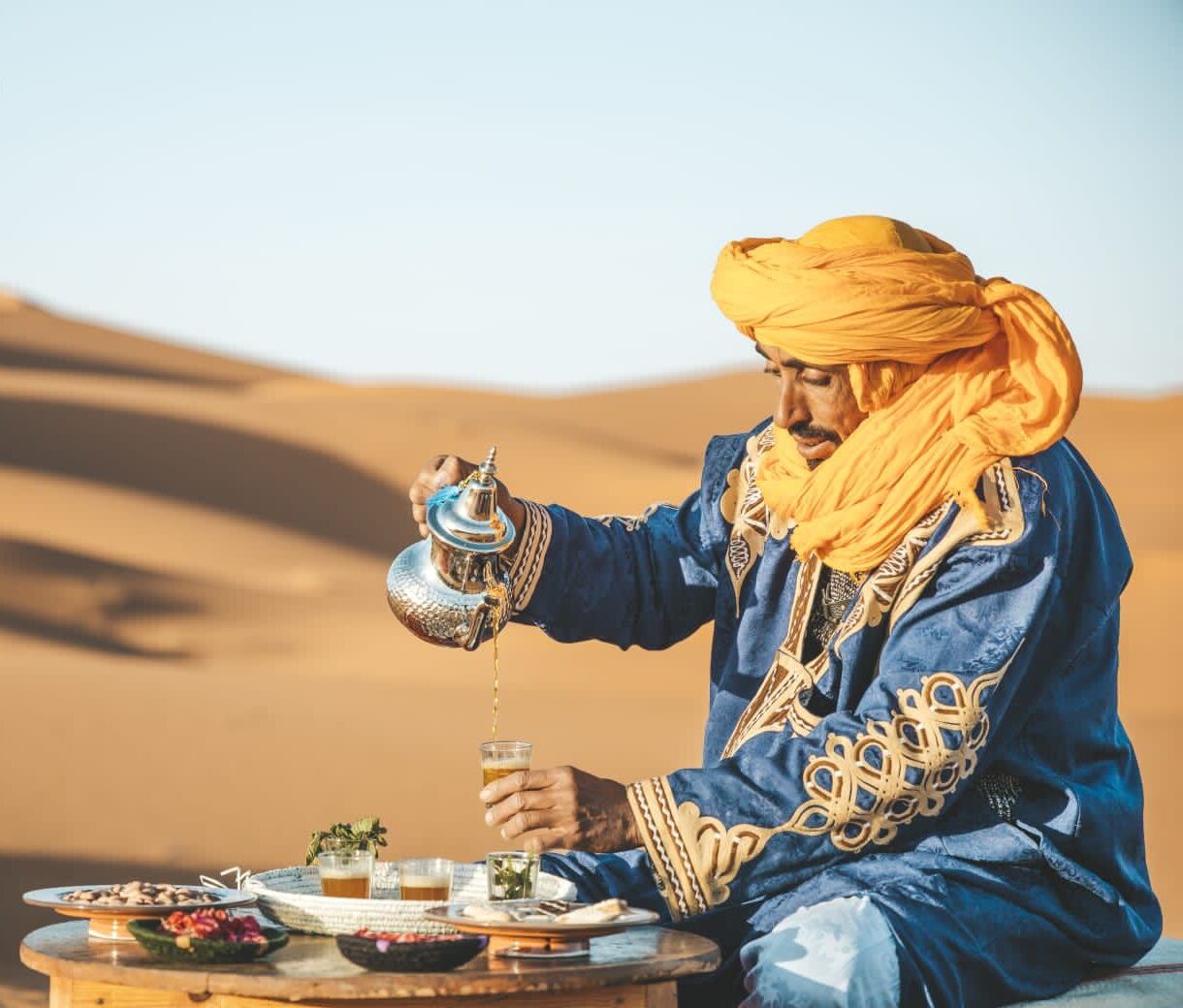
Merzouga Desert Camp for Solo Travelers: Everything You Need to Know
Solo travel to the Sahara Desert is one of those bucket-list experiences that feels both thrilling and slightly intimidating. The thought of heading out alone to the golden dunes of Erg Chebbi in Merzouga, Morocco raises questions: Will I feel isolated? Is it safe? How do I make the most of this adventure without a travel companion? These are legitimate concerns, and fortunately, the answer to all of them is reassuring—Merzouga is an excellent destination for independent travelers, and a quality desert camp experience can transform a solo journey into something truly unforgettable.
This comprehensive guide is designed to give you everything you need to know about planning a solo desert experience, from practical logistics to cultural considerations, safety tips, and what to expect when you arrive at a Merzouga camp. Whether you're considering a quick overnight escape or an extended desert immersion, we'll help you prepare for an adventure that could be a pivotal moment in your travels.
Why Merzouga Is Perfect for Solo Travelers
The Appeal of the Sahara for Independent Adventurers
There's something profoundly transformative about spending time in vast, open spaces—especially alone. Merzouga offers exactly this. The Sahara Desert at Erg Chebbi isn't just scenery; it's a place where you can genuinely disconnect from the noise of everyday life and reconnect with yourself. For solo travelers specifically, this environment can feel liberating rather than lonely.
The Merzouga desert landscape creates natural opportunities for reflection. Whether you're watching the sunrise paint the dunes in shades of amber and rose, or sitting under a star-filled sky at night, there's space for your own thoughts and perspectives. Solo travelers often describe these moments as meditative—a chance to process experiences, make decisions, or simply be present without the need for constant interaction.
Built-In Community Without Pressure
One misconception about solo travel to a Merzouga camp is that you'll be completely alone. In reality, desert camps attract travelers from around the world, and the communal nature of camp life creates natural opportunities for connection. You'll share meals, participate in activities, and enjoy experiences alongside other guests—but with the freedom to engage as much or as little as you prefer.
This balance is crucial for solo travelers. You get the benefit of companionship and shared experiences if you want them, but you're never obligated to socialize. Some solo travelers use their camp time to meet fellow adventurers and exchange stories; others prefer to observe quietly and absorb the experience. Both approaches are equally valid and equally possible at a Merzouga camp.
Understanding Merzouga and Erg Chebbi
Geography and Location
Merzouga is a small village in southeastern Morocco, located near the Algerian border in the Errachidia Province. The village serves as the primary gateway to Erg Chebbi, one of the Sahara's most accessible and visually stunning sand seas. "Erg" refers to a large dune field, and Erg Chebbi is characterized by dramatically sculpted dunes that rise up to 300 meters (nearly 1,000 feet) from the desert floor.
The village of Merzouga itself is modest—you'll find basic guesthouses, a few shops, and restaurants catering to tourists. However, the real experience lies in the desert itself, which is why staying at a camp like Original Desert Camp is the genuine way to experience the region. Camps are typically located within walking distance of the village, positioned to give you easy access to the dunes while maintaining the authentic desert atmosphere.
Best Times to Visit
Timing matters significantly for a solo desert experience. The ideal months are October through April, when temperatures are moderate and more comfortable for exploration. During summer months (June-August), daytime temperatures can exceed 45°C (113°F), which can be challenging for solo travelers who might not have a companion to check on them during extended heat exposure.
November through February offers the most pleasant conditions, with daytime temperatures ranging from 15-25°C (59-77°F) and cool nights. If you're planning a solo trip and have flexibility with dates, aiming for these winter months will significantly enhance your comfort and safety.
Safety Considerations for Solo Travelers
General Safety in Merzouga
Morocco consistently ranks as one of Africa's safest destinations, and Merzouga specifically benefits from its remote location and established tourism infrastructure. The village and surrounding desert areas see thousands of visitors annually, with well-established protocols for guest safety.
That said, there are practical considerations specific to solo travel in a remote desert location:
Transportation: Arrange reliable transportation through your camp or a reputable tour operator. Don't attempt to navigate to Merzouga independently on your first visit. Original Desert Camp can arrange pickups from nearby cities like Meknes, Fez, or Marrakech, eliminating transportation uncertainty.
Communication: Merzouga village has adequate mobile coverage, and most camps offer WiFi or phone charging stations. Let someone know your itinerary before departing for the desert. This is sensible practice for any remote travel, not out of paranoia, but practical precaution.
Physical Considerations: The desert environment presents specific challenges—intense sun, dry air, temperature fluctuations, and physical exertion from camel riding or dune hiking. For solo travelers, being aware of your physical limits is important. There's no shame in declining an activity or requesting modifications if you're feeling unwell.
Cultural Sensitivity and Respectful Engagement
Morocco is a predominantly Muslim country with specific cultural norms, particularly regarding dress and behavior. Solo female travelers should be especially aware of these considerations:
Dress appropriately: In Merzouga village and during interactions with locals, dress modestly—covering shoulders and knees. This isn't about restriction; it's about showing respect for local customs and reducing unwanted attention.
Interact respectfully: Be cautious with photography; always ask before photographing people. Engage with local guides and camp staff with genuine interest in their lives and perspectives rather than approaching them as entertainment or background for your trip.
Female travelers alone: Women traveling solo to Merzouga should feel safe, but awareness enhances that safety. Solo female travelers often report that the respect shown to women in traditional Moroccan culture can feel quite protective. That said, remain aware of your surroundings, trust your instincts, and don't hesitate to ask camp staff if you have any concerns.
Choosing the Right Camp Experience
What Distinguishes Quality Desert Camps
Not all Merzouga camps offer the same experience. The difference between a genuinely enriching desert experience and a disappointing one often comes down to camp quality, authenticity, and attention to guest comfort.
A quality Merzouga camp should offer:
- Authentic Berber hospitality: Real engagement with Berber culture, not performative tourism
- Comfortable accommodations: Private sleeping areas with comfortable bedding (desert nights get cold)
- Genuine meals: Traditional Moroccan/Berber food prepared on-site, not mass-produced offerings
- Qualified guides: Staff who genuinely know the desert and can explain its history, ecology, and cultural significance
- Small group sizes: Intimate experiences rather than overwhelming crowds
Original Desert Camp: A Solo-Friendly Option
Original Desert Camp exemplifies what makes a desert camp experience special for solo travelers. Positioned at Erg Chebbi, the camp combines comfort with authenticity—you're not staying in a lavish resort in the middle of the desert, but rather in a traditional Berber camp setting with thoughtful modern amenities.
What makes Original Desert Camp particularly suited to solo travelers is the balance it strikes between privacy and community. Private tents or rooms mean you have your own space for reflection and rest, while communal dining and shared experiences create natural opportunities for connection with other guests and staff.
The camp offers curated activities—camel trekking, guided dune walks, stargazing sessions—but never feels regimented. You can participate fully or opt for quieter pursuits like reading by the camp fire or exploring the dunes at your own pace. This flexibility is invaluable for solo travelers who want to structure their experience according to their own preferences and energy levels.
Planning Your Solo Desert Experience
Itinerary Considerations
Most visitors to Merzouga stay for one to three nights. For solo travelers, here's what different timeframes offer:
One night (ideal for first-timers or those with limited time)
- Arrive mid-afternoon
- Camel ride to sunset viewpoint
- Evening dinner and stargazing
- Return the next morning
- Gives you a genuine taste of the desert without overwhelming time commitment
Two nights (recommended for fuller immersion)
- More flexibility for activities
- Opportunity to experience both sunset and sunrise over the dunes
- Time to relax and absorb the experience without rushing
- Chance to engage more deeply with guides and other travelers if desired
Three or more nights (for deeper exploration)
- Allows for more extensive trekking or camel expeditions
- Time to develop genuine relationships with camp staff and fellow guests
- Opportunity to explore beyond primary dune areas
- Better acclimation to the environment and rhythm of desert life
Pre-Arrival Preparations
Before heading to Merzouga, handle these practical considerations:
Physical preparation: If you're unused to physical activity, start getting in shape before your trip. Camel riding and dune walking require core strength and general fitness. This isn't about extreme athleticism, but reasonable conditioning helps you enjoy activities more fully.
Packing essentials: Sunscreen (high SPF), a wide-brimmed hat, sunglasses, and lip balm are non-negotiable. The desert sun is deceptive—you can burn quickly without realizing it. Bring plenty of water (your camp should provide, but having personal water is smart). Pack warm layers for cool evenings. Avoid cotton clothing; moisture-wicking and warm fabrics are better.
Medications: If you take medications, bring adequate supplies. Merzouga village has pharmacies, but availability might be limited for specific prescriptions. Bring any personal medical items you might need—blister treatment, pain relievers, antacids, antihistamines.
Mental preparation: Consider what you're hoping to experience. Are you seeking adventure? Reflection? Cultural connection? Spiritual experience? Having some intention helps you notice and appreciate the right moments when they arrive.
What to Expect During Your Stay
Daily Rhythm at a Desert Camp
A typical day at a Merzouga camp follows a natural rhythm aligned with the desert environment:
Early morning (5:30-6:30 AM): Wake before dawn for the sunrise experience. This might involve a quiet walk to a high dune or riding camels to a viewpoint. The sky transitions through incredible colors—from deep purple to pink, orange, and gold. Even if you're not a morning person, this experience is worth the early wake-up.
Breakfast (7:00-8:00 AM): Return to camp for a substantial breakfast of fresh bread, local honey, eggs, cheese, and strong mint tea. This is often your most leisurely meal, a chance to chat with other guests or simply sit quietly and watch the dunes.
Midday (9:00 AM-3:00 PM): The hottest part of the day. Most guests rest in their tents or rooms, reading, journaling, or sleeping. Some camps offer activities like Berber cooking classes or craft workshops. This downtime is valuable—it's when many solo travelers do their best thinking or processing.
Afternoon (3:00-5:00 PM): As temperatures moderate, activities resume. You might take a guided dune walk, explore with a photographer, or simply wander independently. This is often the best time for photography, as light becomes warmer and more dramatic.
Sunset (5:30-6:30 PM): The evening's main event. Most camps organize sunset activities—camel rides, dune climbing, or sitting with tea and watching from a high vantage point. This is magical time; expect the dunes to glow in shades of amber, red, and gold.
Evening (6:30 PM onward): Dinner is typically served after sunset, featuring traditional Moroccan food. This is communal time—where you're likely to interact most with other guests and camp staff. Afterward, the camp often organizes stargazing or sits around a fire with music. You can participate or retreat to your tent for quiet time.
Activities and Experiences
Camel trekking: This is the quintessential Merzouga experience. Camels are remarkably comfortable once you adjust to the swaying motion. Most camel rides last 2-3 hours and involve traveling across the dunes to scenic viewpoints. Riding alone on your own camel (with guides nearby) feels surprisingly adventurous and peaceful.
Dune hiking: For those who prefer human- powered exploration, dune hiking offers a more intimate connection with the landscape. The soft sand challenges your legs, but the solitude and silence are worth every step. Early morning hikes reward you with cooler temperatures and fewer crowds.
Photography: Whether you're a professional or casual photographer, the Sahara is a dream subject. The interplay of light and shadow across the dunes creates endless compositions. Golden hour—both sunrise and sunset—transforms the landscape into something almost otherworldly. If you're serious about photography, consider hiring a guide who knows the best angles and locations.
Cultural experiences: Many camps offer opportunities to meet local Berber families, learn about traditional crafts, or attend informal music sessions. These interactions provide genuine insight into desert life beyond the tourist experience.
Stargazing: Away from light pollution, the night sky in Merzouga is spectacular. The Milky Way stretches across the heavens in a way that's rarely visible elsewhere. Some camps provide telescopes or organize astronomy talks.
Final Thoughts
A stay at Original Desert Camp is more than just a desert vacation—it's a journey into a timeless landscape and a slower way of living. Whether you spend your days hiking, photographing, or simply absorbing the silence, the Sahara leaves a lasting impression. The combination of comfort, authentic experience, and natural wonder makes Merzouga an unforgettable destination that calls many travelers back year after year.