
Merzouga Desert Camp Tips for First-Time Visitors
The Sahara Desert stretches across North Africa like an endless ocean of golden sand, and Merzouga, Morocco, sits right at the edge of Erg Chebbi—one of the most spectacular sand dune fields in the entire region. If you're planning your first desert camp experience, you're in for something truly magical. But stepping into the desert for the first time can feel overwhelming if you don't know what to expect.
This comprehensive guide covers everything first-time visitors should know before arriving at a Merzouga desert camp. Whether you're wondering what to pack, how to prepare physically, what the weather is really like, or how to get the most out of your stay, you'll find practical, honest advice here to help you plan an unforgettable Sahara experience.
Understanding Merzouga and Erg Chebbi
What Makes Merzouga Special
Merzouga is a small village in southeastern Morocco, strategically positioned as the gateway to Erg Chebbi—a vast expanse of towering sand dunes that stretch across 78 square kilometers. Unlike many desert locations worldwide, Erg Chebbi features some of the tallest dunes in Morocco, with peaks reaching up to 150 meters (nearly 500 feet) above the surrounding desert floor.
The village itself is humble, with a population of around 2,000 people who have adapted their lives to thrive in this extreme environment. For centuries, Berber nomadic communities have called this region home, and their cultural heritage remains the heart of the Merzouga experience.
When you book a Merzouga desert camp stay, you're not just visiting a tourist attraction—you're stepping into a living landscape that has shaped human civilization for generations. The desert here isn't a barren wasteland; it's a complex ecosystem with its own rhythms, wildlife, and beauty that reveals itself to those willing to experience it properly.
The Location and Accessibility
Merzouga sits approximately 465 kilometers southeast of Fes, Morocco's ancient imperial city. Most visitors arrive via a scenic drive through the Atlas Mountains and the Tinjdad Gorge, which takes roughly 8-10 hours depending on your route and stops.
The journey itself becomes part of the adventure. You'll pass through Berber villages, oasis towns, and dramatic mountain landscapes before finally witnessing the first glimpses of the Sahara's golden dunes on the horizon. Many travelers spend 2-3 days traveling to Merzouga, incorporating stops in places like Midelt, Erfoudi, and Rissani along the way.
Preparing for Your Desert Camp Experience
Physical Preparation
While you don't need to be an Olympic athlete to enjoy a Merzouga desert camp, some basic physical preparation will significantly enhance your experience. The desert presents unique physical challenges that differ from what most travelers are accustomed to.
Dune climbing is undoubtedly the most demanding activity. Walking up sand dunes, especially in the early morning or late afternoon heat, requires cardiovascular fitness and leg strength. The sand shifts beneath your feet, making each step harder work than walking on solid ground. If you're not regularly active, start incorporating walks and light cardio into your routine a few weeks before your trip.
Heat adaptation is equally important. Your body needs time to acclimate to desert temperatures. When you arrive in Merzouga, spend your first day taking things slowly. Hydrate constantly, even if you don't feel thirsty. Your body is working harder in the heat and dry air than you might realize. Many first-time visitors make the mistake of pushing too hard on day one, leading to exhaustion or heat-related issues.
Sun exposure differs dramatically from what you might experience at home. The Sahara's sun is intense and unforgiving. Even people with dark skin tones can burn in the desert. The combination of direct UV exposure and reflection from sand makes sunburn a real risk. Start using high-SPF sunscreen now, well before your trip, and continue applying it regularly once you arrive.
Mental Preparation
The desert can trigger unexpected emotional responses in first-time visitors. The vastness, the silence, and the stark beauty create a contemplative atmosphere that some find profound and others find unsettling.
Mentally prepare yourself for solitude and stillness. This isn't a place for constant entertainment or digital stimulation. Many camps, including Original Desert Camp, have limited to no internet connectivity. This is actually one of the desert's greatest gifts—a chance to disconnect from the constant noise of modern life.
Some visitors experience what might be called "desert overwhelm" on their first night. The sheer size of the sky, the unfamiliar sounds (or lack thereof), and the realization that you're in a remote environment can feel intense. This is completely normal. Take time to sit quietly, breathe deeply, and allow yourself to adjust. By the second day, most visitors feel completely comfortable and genuinely grateful for the experience.
What to Pack for Your Merzouga Desert Camp
Clothing Essentials
Packing appropriately is crucial for both comfort and safety in the desert. Many first-timers underestimate how cold desert nights become.
For daytime:
- Lightweight, breathable clothing in light colors (cotton and linen work better than synthetics)
- A wide-brimmed hat or cap with neck protection
- Sunglasses (polarized lenses reduce glare from sand)
- A lightweight long-sleeve shirt or cover-up for sun protection
- Lightweight pants or long skirts (offer better protection than shorts)
- Closed-toe hiking boots or sturdy desert shoes (sandals are fine for camp, but you'll want proper footwear for dune activities)
For nighttime:
- A warm layer or light jacket (nights drop significantly, especially in winter months)
- Long pants for comfort and warmth
- Socks (desert sand can be surprisingly chilly on bare feet in evening)
General items:
- Underwear and socks (bring more than you think you'll need)
- A light scarf or shawl (versatile for sun protection, warmth, or cultural sensitivity)
- Sleepwear appropriate for your comfort level
Toiletries and Personal Care
Most Merzouga desert camps provide basic facilities, though luxury camps like Original Desert Camp offer more comprehensive amenities. Still, it's wise to pack:
- High-SPF sunscreen (at least SPF 50, and bring more than you'd normally use)
- Lip balm with SPF
- Moisturizer (the desert air is extremely dry)
- Aloe vera gel (for any sun-related irritation)
- Your preferred deodorant
- Toothbrush and toothpaste
- Any medications you take regularly
- Feminine hygiene products (limited availability in Merzouga)
- Wet wipes or washcloth (useful since you may shower less frequently in the desert)
Electronics and Optional Items
- Power bank (essential, as electricity may be limited)
- Phone or camera with extra batteries
- Headlamp or small flashlight
- Earplugs (if you're sensitive to unfamiliar sounds)
- A journal or book (great for quiet evenings)
- Binoculars (for wildlife viewing)
- Reusable water bottle (you'll drink far more water than usual)
Understanding Desert Weather and Seasons
Temperature Fluctuations
One of the most significant shocks for first-time desert visitors is the dramatic temperature swing between day and night. While daytime temperatures can reach 40°C (104°F) or higher in summer, nighttime temperatures can drop to 10-15°C (50-59°F) or even colder in winter.
This isn't an exaggeration—it's one of the defining characteristics of desert climate. The lack of moisture and vegetation means there's nothing to retain daytime heat, so it radiates away rapidly after sunset.
Best Times to Visit
Spring (March-May): Temperatures range from 20-32°C (68-90°F). This is ideal for first-time visitors. Days are warm and pleasant, nights are cool but not uncomfortably cold, and the weather is generally stable. The wildflowers bloom, and the light is absolutely stunning.
Autumn (September-November): Similar conditions to spring, with temperatures between 22-35°C (72-95°F). September can still feel quite warm, but by October and November, the weather becomes perfect. The desert landscape seems to glow in the autumn light.
Summer (June-August): Daytime temperatures regularly exceed 40°C (104°F), sometimes reaching 50°C (122°F). While these months offer dramatic savings on accommodation and fewer tourists, the heat is genuinely challenging. Only attempt summer visits if you have significant heat tolerance and experience.
Winter (December-February): Daytime temperatures hover around 15-20°C (59-68°F), which is pleasant, but nighttime temperatures can plunge toward freezing. Multiple warm layers are essential. However, the nights are spectacular for stargazing, and the clear, crisp air offers incredible visibility.
What to Expect at Your Desert Camp
Accommodation Standards
When booking a Merzouga desert camp, understanding accommodation options helps set realistic expectations. Desert camps range from basic Bedouin-style tents with minimal amenities to luxury camps with private bathrooms, electricity, and sophisticated furnishings.
Original Desert Camp offers a middle-to-upper range experience, with carefully designed Berber tents that provide authentic atmosphere while incorporating comfortable beds, proper ventilation, and access to clean bathroom facilities. This balance allows you to experience genuine desert living without sacrificing basic comfort.
Even in well-appointed camps, remember you're still in the desert—not a hotel. Sand may find its way into unexpected places (this is simply part of the experience). Embrace it rather than resist it.
Daily Rhythms and Activities
A typical Merzouga desert camp day follows a different rhythm than you're probably accustomed to:
Sunrise: Most camps wake guests early (around 5:00-6:00 AM) for sunrise viewing. Despite the early hour, this is worth experiencing. The dunes transform into shades of orange, pink, and gold as the sun emerges. It's genuinely one of the most beautiful moments in nature.
Morning: After breakfast, you might rest in your tent during the hottest part of the day, or take a guided walk to explore the surrounding landscape.
Afternoon: Some camps offer activities like visiting local Berber villages, exploring fossil sites, or relaxing around the camp. This is often the quietest time, when many travelers rest and rehydrate.
Late afternoon/Early evening: As temperatures cool, camel trekking often occurs. This is more leisurely than you might expect—camels are comfortable with a slow, steady pace, and experienced guides know how to make the experience enjoyable even for first-timers.
Evening: Dinner is typically a communal Berber-style meal. This is when you'll interact most with staff, other guests, and possibly local musicians or entertainers. The meal might include tagine (slow-cooked stew), fresh bread, couscous, and dates.
Night: After dinner, many camps offer a fire gathering where guests enjoy tea, sometimes watch traditional music or dance performances, and stargaze. The stars in Merzouga are absolutely incredible—far from city light pollution, you'll see thousands of stars, including the Milky Way in stunning detail.
Essential Tips for First-Time Desert Visitors
Hydration is Non-Negotiable
This cannot be overstated. The desert environment is extraordinarily dry, and your body loses water faster than you realize through perspiration and respiration. By the time you feel thirsty, you're already becoming dehydrated.
Drink water constantly throughout the day—at least 3-4 liters (1-1.3 gallons) daily, and more if you're active. This feels excessive if you're not used to desert climates, but it's genuinely necessary. Dehydration causes headaches, fatigue, and difficulty concentrating, which can put a damper on your adventure.
Avoid excessive caffeine and alcohol on your first day, as both accelerate dehydration. Herbal tea and water are your best friends.
Respect Local Culture and Customs
Merzouga is home to Berber communities with their own customs and ways of life. When visiting local villages or interacting with camp staff, a few basics go a long way:
- Dress modestly, especially outside the camp (avoid very short clothing)
- Ask permission before photographing people
- Greet people with respect—a simple "Assalamu alaikum" (peace be upon you) is appreciated
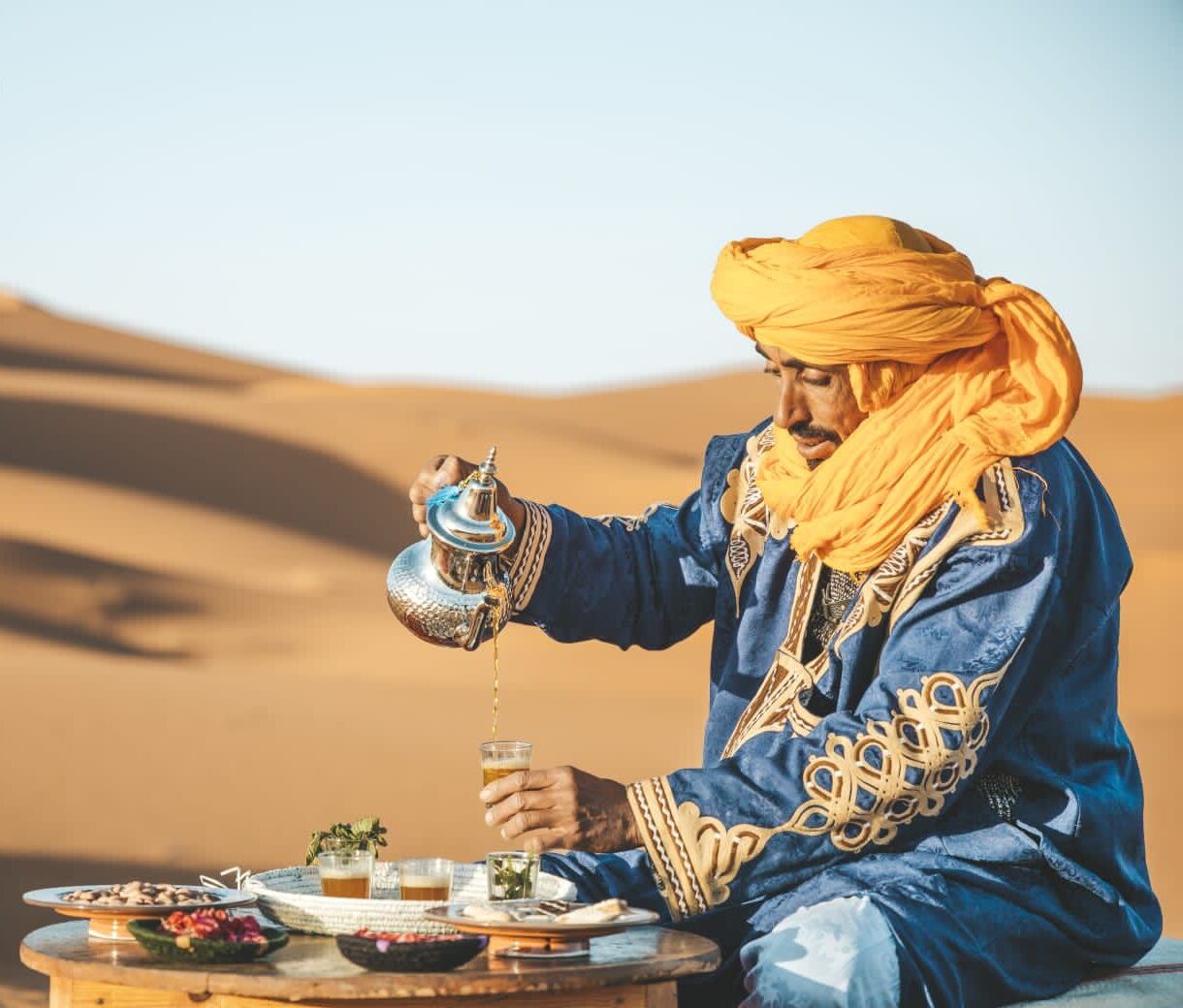
- Accept tea when offered—it's a gesture of hospitality
- Remove your shoes when entering homes or tents when invited.
These gestures show respect for Berber traditions and create meaningful connections with the people you meet. The Berber culture is rich and welcoming, and your consideration will be reciprocated with warmth and genuine hospitality.
Plan for Sunset and Sunrise
Two of the most magical moments in the desert are sunset and sunrise. The Sahara's endless dunes transform into a canvas of golden, orange, and pink hues that are simply breathtaking. Make sure you're positioned to witness these moments—most camps, including Original Desert Camp, organize camel treks specifically timed for these hours.
Bring a camera or simply be present with your senses. The silence of the desert at these times, broken only by the gentle footsteps of your camel, is a meditative experience you won't forget.
Final Thoughts
Preparing for your Merzouga desert adventure means balancing practical considerations with an openness to wonder. By hydrating properly, respecting local culture, packing thoughtfully, and being mentally prepared for the vastness around you, you'll be ready to embrace everything the Sahara offers. Original Desert Camp provides the comfort and expertise to make your stay unforgettable, but your preparation ensures you can fully immerse yourself in this extraordinary landscape. The desert is calling—answer it with confidence and respect.