
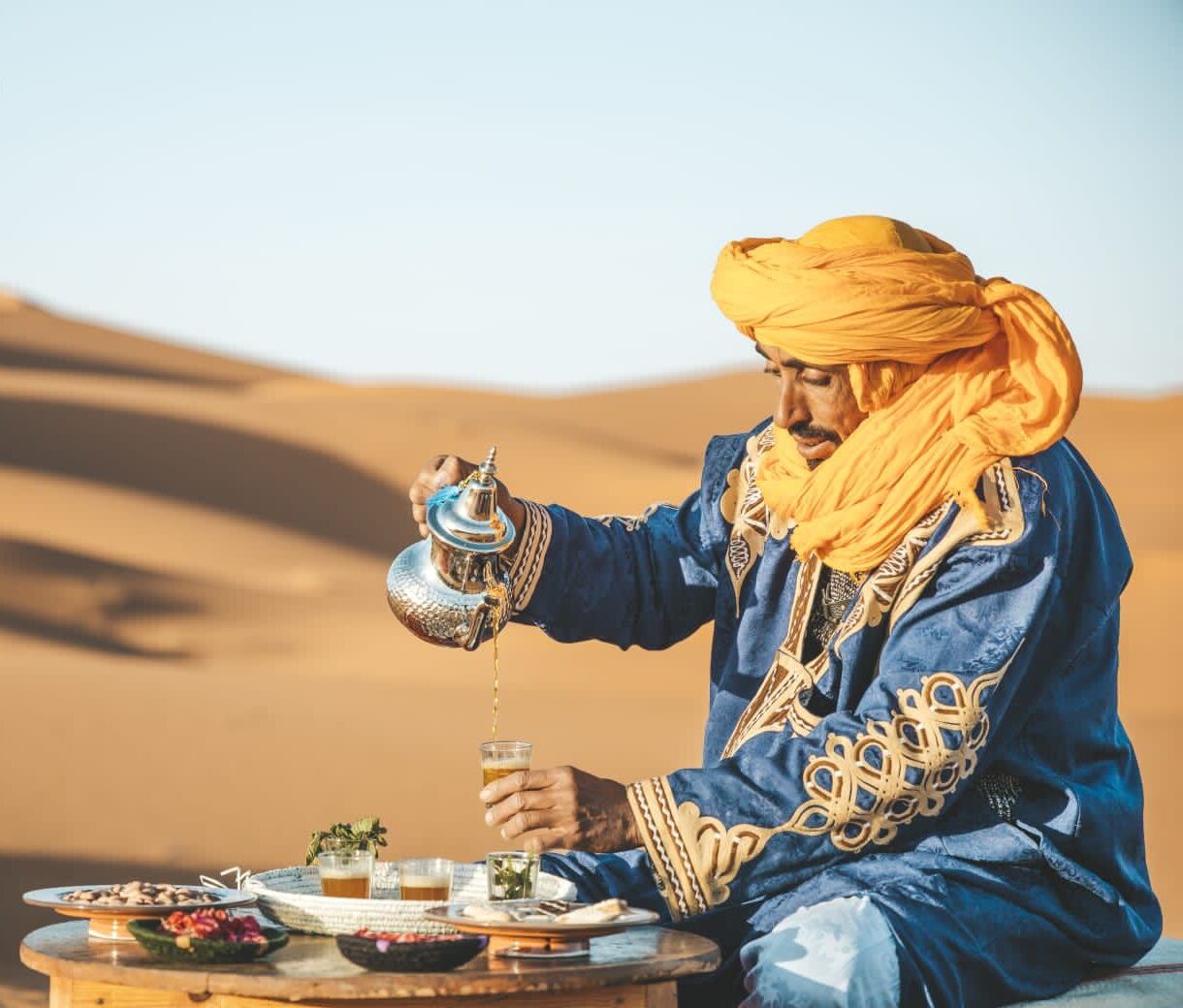
Merzouga Desert Camp Tips, Tricks & Hacks for a Better Stay
Planning a stay at a Merzouga desert camp is one of those life experiences that deserves proper preparation. The Sahara is magnificent, but it's also unforgiving—and the difference between a magical desert adventure and a regrettable one often comes down to smart planning and knowing the right insider tips.
Whether you're heading to Original Desert Camp or another luxury Berber camp in the region, this comprehensive guide will help you maximize every moment under the stars, stay comfortable in the dunes, and create memories that genuinely last.
Understanding Merzouga and Erg Chebbi
Before diving into packing lists and survival hacks, it's worth understanding what you're walking into. Merzouga is a small Moroccan village on the edge of Erg Chebbi, one of Morocco's largest sand seas. The dunes here rise dramatically—some reaching nearly 500 meters—creating an otherworldly landscape that looks like it belongs on another planet.
The region sits in southeastern Morocco, close to the Algerian border, and experiences genuine desert conditions. Temperatures can swing wildly between day and night. During summer months, daytime highs easily exceed 40°C (104°F), while nights can drop to surprisingly cool temperatures. Winter brings more moderate daytime heat but chilly evenings.
Understanding this climate is crucial because your Merzouga camp experience depends heavily on how well you've prepared for these conditions. Most quality Merzouga desert camps, including Original Desert Camp, are designed specifically to handle these extremes, but your personal comfort also matters tremendously.
Packing Essentials: What Actually Works
Clothing for Extreme Temperature Swings
The most common mistake travelers make is underpacking for the cold. Yes, it's the Sahara, but nighttime temperatures in winter can drop to 5°C (41°F) or lower. Pack in layers:
- Lightweight, breathable base layers for daytime. Cotton and linen are excellent for the Sahara because they breathe well and help your body regulate temperature naturally.
- A warm fleece or wool sweater for evenings. This is non-negotiable. Even in summer, desert nights can surprise you with their chill.
- A substantial jacket or heavy cardigan for winter stays. Think Patagonia-level insulation.
- Long pants in neutral colors. Denim works, but lightweight travel pants are more practical for the heat.
- Loose, long-sleeved shirts. They protect you from sun exposure and are cooler than you'd expect.
- A scarf or wrap (often called a tagelmust or indigo cloth locally). This is both cultural and practical—it shields your face and neck from sand and sun.
Pro tip: Pack one outfit that's slightly dressier if you plan to participate in evening entertainment at your camp. Many Merzouga camps host traditional music and dancing, and dressing up (even modestly) adds to the experience.
Footwear Strategy
This deserves its own section because foot comfort determines whether you enjoy camel trekking or endure it. Bring:
- Solid hiking boots with good ankle support for dune walking and exploration. Sand gets everywhere inside shoes, so ensure your boots have gaiters or can be tucked into pants effectively.
- Sandals or slip-ons for around camp and for sleeping. Your feet will appreciate the freedom after being in boots all day.
- Merrell or similar sport sandals that can handle sand. These are genuinely useful for navigating between your room and communal areas.
- Thin moisture-wicking socks. Never underestimate the importance of good socks in sand environments.
Many travelers swear by sand socks—specialized socks designed to minimize sand infiltration. They're inexpensive and genuinely helpful.
Sun and Skin Protection
The Sahara sun is relentless. The desert's reflective surface intensifies UV exposure beyond what you'd experience at sea level. Pack:
- High-SPF sunscreen (SPF 50+) in substantial quantity. A small tube won't cut it for a multi-day camp stay.
- Lip balm with SPF because chapped lips at altitude in dry heat are miserable.
- A wide-brimmed hat or desert hat (like a Tilley or similar). Baseball caps won't protect your ears and neck adequately.
- Sunglasses with UV protection and ideally polarized lenses to reduce glare.
- Aloe vera gel for inevitable minor burns.
A lesser-known tip: bring a lightweight sarong or thin sheet. You can drape this over your shoulders while sitting, providing additional sun protection and looking perfectly authentic in the process.
Medications and First Aid
Merzouga camps are remote. The nearest pharmacy with serious inventory is in Erfoud, about an hour away. Pack:
- Any personal medications in original containers with clear labels
- Antihistamines for dust-related allergies
- Anti-diarrheal medication (desert environments sometimes trigger sensitive stomachs)
- Altitude sickness medication if you're prone to it (Merzouga sits at moderate elevation)
- Blister treatment supplies
- Antibiotic ointment and bandages
- Pain relievers (aspirin, ibuprofen)
- Antacids (rich desert food can be heavy)
Preparing Physically for Your Stay
A Merzouga desert camp experience isn't an extreme endurance event, but it does involve physical activity that desk-bound travelers might find challenging.
Training Before You Go
If you're planning camel trekking, which almost all visitors do, spend 2-3 weeks doing light cardio and leg-strengthening exercises. Camel riding is surprisingly intense on your quadriceps and core. Walking up sand dunes—which many camps encourage as sunrise or sunset activities—requires cardiovascular fitness.
Start with 20-minute walks on uneven terrain, then progress to light hiking. Your legs will thank you when you're not hobbling back to camp after an afternoon dune exploration.
Understanding Acclimatization
If you're traveling from a cooler climate, arriving a day early in a larger Moroccan city (like Marrakech or Fes) before heading to your Merzouga camp gives your body time to acclimatize. The temperature jump from European or North American weather to 35°C+ desert heat is significant. A buffer day allows you to adjust, eat better on arrival day, and start your camp experience feeling more grounded.
Hydration Protocol
Hydration in the desert isn't just about drinking water. It's about understanding how much you need and planning accordingly. Most quality Merzouga camps like Original Desert Camp provide abundant water throughout the day, but understanding your personal needs helps:
- Drink water consistently throughout the day, not just when thirsty. Thirst is a late indicator of dehydration in hot climates.
- Aim for 3-4 liters daily at minimum, more if you're active.
- Electrolyte drinks (or salt tablets) help your body retain water better than plain water alone, especially during physically active days.
- Avoid excessive alcohol and caffeine on your first day—both are diuretics and will dehydrate you faster.
A practical hack: ask your camp staff to keep a water bottle in your tent at all times. Many camps automatically do this, but confirming ensures you can hydrate during sleep without stumbling to find water in the dark.
Making the Most of Your Actual Stay
Timing Your Activities Strategically
The Sahara is most comfortable early morning (5-6 AM) and late afternoon/early evening. The middle of the day—roughly 11 AM to 4 PM—is when heat is most intense. Smart camps schedule accordingly:
Dawn activities are typically camel treks to watch the sunrise over the dunes. Bring a warm layer because dawn is cold.
Mid-day rest period is perfect for sleeping, reading in a shaded area, or journaling. This isn't laziness; it's respecting the climate. Locals have been doing this for centuries.
Late afternoon brings another camel trek or dune walk. Golden hour light creates incredible photography opportunities.
Evening features dinner, often with traditional entertainment. Original Desert Camp typically includes live music and storytelling, which provides cultural context for your experience.
Photography Hacks for Desert Light
If photography matters to you, the desert offers stunning opportunities but requires specific approaches:
- Golden hour is everything. The hour after sunrise and the two hours before sunset offer the best light. Plan to be active during these times.
- Bring a lens cloth. Sand somehow gets on every surface, including your camera lens.
- Protect your equipment. Bring sealed bags for storing camera gear. Sand damage is expensive.
- Use a polarizing filter to cut glare and enhance sky color in landscape photos.
- Take smartphone photos seriously. Your phone's camera is good enough for incredible desert shots if you understand composition.
Insider tip: ask your camp guides when they recommend specific photo locations. Local knowledge about where to position yourself for best light and composition is invaluable.
Connecting with Local Culture
A Merzouga camp stay offers genuine cultural immersion if you approach it thoughtfully:
- Learn basic Arabic and French phrases. Even attempting "Salam alaikum" (peace be upon you) builds rapport.
- Show genuine interest in Berber culture. Ask questions about traditional practices, music, and daily life.
- Participate in activities genuinely. If your camp offers a Berber cooking lesson or henna application, commit to the experience rather than treating it as a photo opportunity.
- Respect religious practices. Your camp staff are Muslim, and you'll notice prayer times throughout the day. This is normal and beautiful to witness respectfully.
- Tip guides and staff appropriately. Service workers in Merzouga depend on tips as essential income. $5-10 USD per guide per day is standard and appreciated.
Original Desert Camp intentionally employs local Berber staff and structures experiences around authentic cultural exchange. Take advantage of this by asking them about their lives, their families, and their perspective on the changing desert.
Managing Expectations About Comfort
Here's honest truth: luxury Merzouga camps are genuinely comfortable, but they're not five-star hotels. Accommodations are typically Berber tents (traditional or modern variations) with quality bedding. Bathrooms are functional but may involve outdoor showers or facilities that differ from your home setup. WiFi, if available, is limited.
This is intentional. The desert experience requires a slight disconnect from modern convenience, and that's where the magic happens.
Embrace this as a feature, not a bug. You're not coming to the Sahara for a resort experience; you're coming to disconnect and experience something genuinely different. The moment you accept this, your satisfaction increases dramatically.
Practical Daily Hacks
Managing Sand Infiltration
Sand gets everywhere. It's just physics. Minimize damage with these tactics:
- Keep a small brush or soft cloth in your tent to dust off before entering.
- Shake out clothing thoroughly before repacking.
- Keep electronic devices sealed in dedicated bags.
- Don't fight it completely—finding a grain or two of sand in your belongings for months after your trip is actually kind of romantic.
Sleep Optimization
Desert nights can be surprisingly cold, and tent camping requires adjustment for city dwellers. Optimize sleep with:
- Request extra blankets. Most camps provide them, but don't assume.
- Bring a sleep mask if you're sensitive to light. Dawn comes very early in the desert.
- Use earplugs if you're sound-sensitive. Desert sounds—wind, distant voices—can be startling to those unused to them.
- Keep a water bottle within arm's reach of your bed for nighttime hydration.
Food and Digestion
Desert camps typically serve rich, flavorful Moroccan cuisine. Your stomach might need adjustment. Helpful approaches:
- Eat lightly on your first day. Let your system acclimate before diving into hearty tagines.
- Request simple meals (rice, grilled meats, vegetables) if your stomach is sensitive.
- Eat fruit and vegetables when available to maintain good digestion.
- Avoid heavy drinks (excessive alcohol, heavy sodas) that can upset your system in heat.
Quality camps like Original Desert Camp offer vegetarian options and can accommodate dietary restrictions if you specify them when booking.
Dealing with Wind and Dust
Some days bring strong winds that kick up sand and dust across the dunes. While this is a natural part of the desert experience, you can minimize discomfort:
- Keep sunglasses and a scarf handy. A light fabric wrapped around your nose and mouth protects against dust inhalation.
- Seal your tent properly before windy periods. Most camp staff will assist with this.
- Bring lip balm and moisturizer. Desert wind is extremely drying to skin.
- Store loose items inside your tent. Wind can scatter personal belongings across the camp.
- Don't fight the weather—embrace it. Windy days offer dramatic landscapes and fewer crowds at popular viewpoints.
The staff at Original Desert Camp are experienced in managing these conditions and will provide guidance on the best times to explore during gusty days.
Final Thoughts
A desert camping experience is transformative, but preparation makes all the difference between discomfort and delight. By addressing practical concerns like heat management, sleep quality, digestion, and weather adaptation, you'll spend less time troubleshooting and more time savoring the magic of the Sahara. Original Desert Camp combines authentic Berber hospitality with modern comforts, ensuring your stay balances adventure with genuine rest. The desert rewards those who come prepared and open-minded—and the memories you'll create are worth every precaution.