The Ultimate Merzouga Desert Camp Checklist: Everything Before You Go
Planning a desert getaway to Merzouga is one of those bucket-list experiences that sits somewhere between adventure and luxury. The golden dunes of Erg Chebbi, the endless starry skies, and the authentic Berber hospitality create memories that last a lifetime. But arriving unprepared can turn a magical experience into an uncomfortable ordeal.
I've helped hundreds of travelers prepare for their Merzouga desert camp stay, and I've seen firsthand what makes the difference between a good experience and an unforgettable one. The secret? Having the right Merzouga camp checklist before you arrive.
This comprehensive guide covers everything you need to pack, prepare mentally and practically, and know before heading to the Sahara. Whether you're booking with Original Desert Camp or another Merzouga accommodation, these tips will ensure you're ready for authentic desert camping in Morocco.
Understanding Merzouga and Erg Chebbi Before You Go
What You're Actually Getting Into
Merzouga is a small village in southeastern Morocco, sitting on the edge of the Sahara Desert at approximately 1,430 feet above sea level. The nearby Erg Chebbi dune field stretches across vast golden sands, creating the quintessential desert landscape most people imagine when they think of the Sahara.
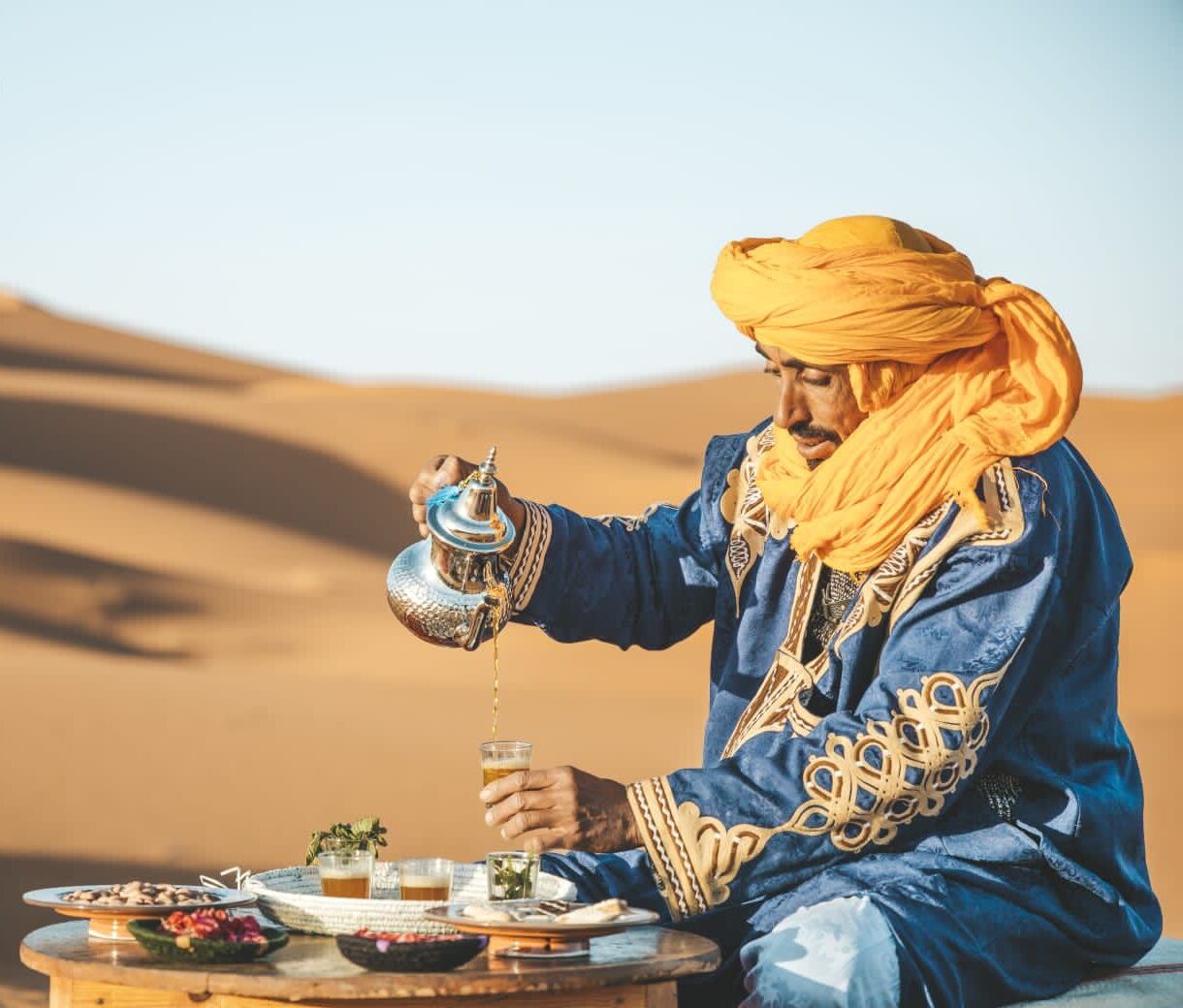
It's important to understand that staying at a Merzouga camp isn't like hotel camping—it's immersive. You'll be sleeping in traditional Berber tents called "khayma," experiencing authentic Sahara conditions, and connecting with centuries-old desert traditions. The camps here range from basic nomadic setups to luxury desert camps that blend comfort with authenticity.
Original Desert Camp, for example, offers a middle ground: genuine desert experiences with thoughtful amenities that make the stay comfortable without losing the authentic atmosphere. You'll sleep on traditional beds, eat traditional food, and participate in desert activities while having access to proper bathroom facilities and quality bedding.
The Desert Climate Reality
The Sahara's climate is extreme and unforgiving. Summer temperatures can exceed 104°F (40°C) during the day, while winter nights dip to near freezing. The most comfortable visiting periods are October through April, when daytime temperatures hover around 68-77°F (20-25°C) and nights are cool but manageable.
Wind is a significant factor—the Sahara is notoriously windy, especially in spring. Sand gets everywhere: in your hair, your clothes, your bags. The air is incredibly dry, and the sun is intense without atmospheric filtering. Understanding this reality helps you pack appropriately rather than being surprised by conditions.
The Essential Merzouga Camp Packing List
Clothing: Your Desert Wardrobe
For Daytime Desert Exploration
Pack lightweight, breathable clothing in natural fibers like cotton and linen. The sun is relentless, and you'll want coverage without overheating. Consider:
- 3-4 lightweight long-sleeve shirts (protects from sun and sand)
- 2-3 pairs of lightweight pants or loose-fitting trousers
- Shorts for camp relaxation only
- One pair of lightweight sweatpants
- A lightweight cardigan or shirt jacket for layering
The key is loose-fitting clothes that allow air circulation. Tight clothing traps heat and becomes uncomfortable quickly. Neutral colors like khaki, beige, and light brown also reflect heat better and blend with the landscape.
For Evening and Night
Evenings in the Merzouga desert can be surprisingly cold. Pack:
- One warm fleece jacket or wool sweater
- One heavier insulating layer (depending on season)
- Long pants for evening wear
- Warm socks for sleeping (even summer nights get chilly)
At Original Desert Camp, guests often gather around the fire in the evening. Having layers means you can be comfortable while enjoying the magical desert nights.
Footwear
This is critical. Pack:
- Sturdy hiking boots or trail shoes (broken in before your trip)
- Lightweight sandals or flip-flops for camp use
- Breathable socks (bring 4-5 pairs; feet get sweaty and sandy)
- Optional: lightweight sneakers for walking around camp
Never underestimate the importance of good footwear. You'll be walking on hot sand, rocky terrain, and uneven ground. Blisters in the desert are particularly miserable.
Sun and Sand Protection
- Wide-brimmed hat or cap (essential, not optional)
- UV-protective neck scarf or buff
- Sunglasses with UV protection
- Lightweight long scarf or shawl (useful for sun protection and cultural appropriateness)
Toiletries and Personal Care
Essential Items
- High SPF sunscreen (50+) in quantity—you'll use far more than you think
- Lip balm with SPF
- Moisturizer and body lotion (the dry desert air is harsh on skin)
- Deodorant
- Toothbrush and toothpaste
- Basic medications you regularly use
- Feminine hygiene products (limited availability in Merzouga)
- Decongestant or allergy medication
- Electrolyte packets (help with hydration in extreme heat)
Optional but Helpful
- Wet wipes or dry shampoo (showers may be limited)
- Anti-fungal powder (for feet after dusty days)
- Blister treatment supplies
- Antihistamine cream for insect bites
- Melatonin or sleep aids (the stillness and darkness are unfamiliar to many)
Most Merzouga camps, including Original Desert Camp, provide basic toiletries, but having your preferred brands ensures comfort.
Medications and Health Items
Pack these in a small day bag:
- Pain relievers (ibuprofen, acetaminophen)
- Anti-diarrheal medication
- Antacid
- Cold medicine
- Any prescription medications (bring extras in original containers)
- Basic first aid supplies: bandages, antibiotic ointment, pain relief gel
- Altitude sickness medication (if prone)
The nearest pharmacy is in Merzouga village, and serious medical care requires traveling to Errachidia, about 2.5 hours away. Being prepared prevents unnecessary discomfort.
Electronics and Charging
- Phone and charger
- Camera with extra batteries or portable charger
- Universal power adapter (Morocco uses 220V, Type C/E plugs)
- Portable battery pack
Note: Internet and electricity availability varies by camp. Original Desert Camp provides charging facilities, but connection can be spotty. Many guests find this liberating—the desert offers a genuine digital detox.
Documents and Money
- Passport (required for entry to Morocco)
- Travel insurance documents
- Flight confirmations and booking references
- Moroccan currency (Moroccan Dirham/MAD)
- Credit/debit cards as backup
- Emergency contact information
Merzouga and the surrounding area are increasingly digital, but carrying cash is wise. Many camp activities, tips for guides, and local purchases work better with dirham.
Optional but Worthwhile Items
- Lightweight book or e-reader
- Journal and pen
- Binoculars for stargazing
- Portable speaker
- Lightweight towel or sarong (supplementary to camp linens)
- Ziplock bags (protect electronics from sand)
- Hand sanitizer or antibacterial gel
- Quick-dry microfiber cloth
- Earplugs and eye mask
Practical Preparation Before You Arrive
Research Your Specific Camp
Not all Merzouga camps offer the same amenities. Before booking, understand:
- What's provided (linens, toiletries, meals)
- Bathroom arrangements (private vs. shared)
- Heating/cooling options
- Meal timing and dietary accommodations
- WiFi availability
- Activities included vs. optional
Original Desert Camp provides detailed information about accommodations so guests know exactly what to expect. This transparency helps you pack only what's necessary.
Arrange Transportation
Merzouga doesn't have commercial airports. Most travelers fly into Marrakech (360 km away) or Fes (360 km away). From there, you'll need:
- Ground transportation (hire a driver, join a group tour, or use a travel agency)
- The drive from Fes takes 8-10 hours; from Marrakech, 12-14 hours
Budget time for this journey. Many people break the trip with a stop in Ifrane, Midelt, or Meknes. This isn't wasted time—the drive through Morocco's Atlas Mountains and dryland regions is spectacular.
Communicate with Your Camp
Email your camp 2-3 weeks before arrival with:
- Special dietary needs
- Mobility limitations
- Requested activities or experiences
- Questions about what to bring
This information helps camps prepare. Original Desert Camp uses this to customize your experience, ensuring proper food preparation and appropriate activity suggestions.
Check Weather and Season
- October-March: Comfortable temperatures, best for hiking
- April-May: Warmer days, variable winds, occasionally windy
- June-August: Extremely hot, fewer tourists, quieter experience
- September: Heat begins to fade, increasing visitor numbers
Check historical weather data for your specific travel dates. Pack accordingly.
Get Your Vaccinations
While no vaccinations are technically required for Morocco, doctors often recommend:
- Hepatitis A
- Typhoid
- Tetanus booster
Consult your healthcare provider at least 6 weeks before travel.
Mental and Physical Preparation
Physical Conditioning
If you're not regularly active, begin light exercise 4-6 weeks before your trip. You'll be:
- Walking on sand (surprisingly strenuous)
- Possibly riding camels (affects legs and core)
- Exploring dunes and rocky terrain
- Waking early for sunrise activities
You don't need to be an athlete, but basic fitness makes the experience far more enjoyable.
Adjust Your Sleep Schedule
Merzouga's activities often begin at sunrise (around 6:30 AM). If you're accustomed to sleeping late, gradually shift your sleep schedule 2-3 weeks before departure. This eases jet lag and helps you appreciate early-morning desert magic without exhaustion.
Mentally Prepare for Authentic Desert Living
A Merzouga camp is not a luxury resort. You'll:
- Share spaces with other guests
- Use communal bathrooms (though Original Desert Camp has private facilities)
- Eat simple, traditional Moroccan food
- Sleep to the sounds of wind and distant animals
- Wake before dawn
- Experience minimal light pollution and noise
This immersion is the entire appeal, but mentally preparing prevents disappointment. You're seeking authenticity, not comfort equivalent to a five-star hotel.
Learn Basic Arabic and French Phrases
Your camp guides and hosts primarily speak Arabic and French, with varying English proficiency. Learning phrases like:
- "Salaam alaikum" (hello)
- "Shukran" (thank you)
- "Aywa" (yes)
- "La" (no)
...builds rapport and demonstrates respect for local culture. This is particularly appreciated by Berber communities in Merzouga.
The Merzouga Camping Experience Checklist
Things to Do Before Arriving at Camp
- Download offline maps (cell service is spotty)
- Download offline translation apps
- Backup important phone data
- Notify your bank of travel dates (prevent card blocks)
- Check visa requirements (US, EU, UK citizens get 90 days visa-free)
- Arrange pet care if applicable
- Set your out-of-office for work email
- Download airline apps and have confirmations accessible
Things to Arrange During Pre-Trip Planning
- Book your camp (Original Desert Camp can be booked directly or through travel agencies)
- Arrange transportation to/from Merzouga
- Purchase travel insurance
- Book any domestic flights
- Arrange camel or horse rides through your camp
- Reserve any special activities (photography tours, cultural experiences)
Your First Day at Camp: A Brief Orientation
Most camps, including Original Desert Camp, follow this pattern:
- Arrival and check-in (early afternoon)
- Rest and adjustment (time to shower and settle in)
- Early dinner (around 6-7 PM)
- Evening gathering (around the fire, if interested)
- Sleep (retire early for dawn activities)
Don't overpack your first day. Rest is important.
Special Considerations for Different Seasons
Winter Travel (November-February)
Pack:
- Heavy warm jacket or down p arka
- Thermal underwear and warm layers
- Hat, gloves, and scarf
- Warm sleeping bag (nights drop to near freezing)
- Closed-toe hiking boots
Winter offers crisp, clear skies perfect for stargazing and photography. The desert is less crowded, making for a more intimate experience.
Spring Travel (March-May)
Pack:
- Light layers (temperatures vary throughout the day)
- Sunscreen and sunglasses
- Comfortable walking shoes
- A light sweater for evenings
Spring brings wildflowers to the desert and pleasant daytime temperatures, making it ideal for exploration and outdoor activities.
Summer Travel (June-August)
Pack:
- Ultra-lightweight, breathable clothing
- High SPF sunscreen (reapply frequently)
- A wide-brimmed hat
- Sunglasses with UV protection
- Extra water bottles
Summer heat can be intense, so plan activities for early morning or late afternoon. Stay hydrated constantly, and take advantage of your camp's shaded areas during midday.
Fall Travel (September-October)
Pack:
- Light layers and a sweater
- Comfortable walking shoes
- Sunscreen and hat
- Light jacket for evenings
Fall is considered one of the best times to visit, with moderate temperatures and fewer tourists than peak season.
Final Thoughts
Packing for Original Desert Camp doesn't require overpacking or stress—focus on comfort, practicality, and respect for local culture. The Sahara rewards those who come prepared but flexible, and your camp staff are experienced in helping guests adjust to desert life. With the right items in your luggage and the right mindset in your heart, you're ready for an unforgettable Moroccan adventure.