
Merzouga Desert Camp Ultimate Travel Guide: Plan the Perfect Sahara Stay
When most people dream of the Sahara Desert, they're imagining scenes that could only exist in Merzouga, Morocco. This remote oasis town at the edge of the Erg Chebbi sand sea has become one of North Africa's most sought-after destinations, attracting adventurers, photographers, and travelers seeking authentic desert experiences. Whether you're planning your first Sahara adventure or returning for another taste of the dunes, this comprehensive guide will help you navigate every aspect of planning the perfect Merzouga desert camp stay.
Understanding Merzouga: The Gateway to Erg Chebbi
Merzouga is a small Berber village in southeastern Morocco, located roughly 465 kilometers east of Fez. The village sits at the edge of Erg Chebbi, one of Morocco's most dramatic sand seas, where towering dunes rise up to 150 meters high. What makes Merzouga special isn't just its stunning landscape—it's the authentic Berber culture, the untouched natural environment, and the profound sense of isolation that comes with being in one of the Sahara's most remote corners.
The Geography and Climate
The Erg Chebbi sand sea spans approximately 20 kilometers in length and 6 kilometers in width, creating an otherworldly landscape of undulating golden dunes. The region experiences extreme temperature variations, with scorching days often exceeding 40°C (104°F) in summer and nights dropping to near-freezing temperatures, especially during winter months.
Understanding the climate is crucial for packing appropriately. The best time to visit is October through April, when daytime temperatures range between 20-25°C (68-77°F) and nights are crisp but manageable. The high season peaks in December and January, which means more crowds but also guaranteed open camps and full activity schedules. If you prefer solitude and dramatic landscapes, consider visiting during the shoulder seasons of October-November or March-April, when you'll experience fewer tourists and sometimes even afternoon thunderstorms that briefly transform the dunes.
Getting to Merzouga
Most travelers reach Merzouga by flying into Fez or Marrakech and then driving southeast. The journey from Fez takes approximately 8-10 hours through the Atlas Mountains, with stunning scenic views and opportunities to stop in towns like Ifrane and Midelt. From Marrakech, the drive is longer (12-14 hours) but passes through equally fascinating regions including the Dades Gorge.
Many visitors opt for guided multi-day desert tours that include transportation, meals, and camel trekking. This approach eliminates the stress of navigating unfamiliar roads and allows you to focus on experiencing the desert. If you're driving independently, ensure your vehicle is in excellent condition, carry extra water and emergency supplies, and consider hiring a local guide at least for the final approach to the dunes.
Types of Desert Camps and Accommodation Options
Merzouga's accommodation landscape has evolved significantly over the past decade. While traditional Berber tent camps still operate, the area now offers a diverse range of options catering to different budgets and comfort preferences.
Budget Camps
Basic desert camps typically feature traditional Berber tents (called "khayma") with mattresses, blankets, and shared bathroom facilities. Prices range from $25-50 per person per night, including dinner and breakfast. These camps offer an authentic experience and are ideal for travelers who prioritize the adventure over creature comforts. You'll likely share communal spaces with other guests, which can lead to meaningful cultural exchanges and friendships.
Mid-Range Camps
Mid-range camps balance comfort with authenticity, offering private or semi-private tents equipped with individual bathrooms, better bedding, and improved heating during cold months. These camps typically cost $60-150 per person per night. You'll find reliable amenities like solar-powered electricity, hot water showers, and better-quality meals that cater to various dietary preferences. Many mid-range camps provide activities including camel trekking, quad biking, and guided dune walks.
Luxury Desert Camps
Luxury camps like Original Desert Camp represent the pinnacle of desert hospitality, combining Berber traditions with high-end amenities. These establishments feature spacious private suites, air conditioning or efficient heating, private bathrooms with hot showers, quality bedding with premium linens, and gourmet dining experiences. Original Desert Camp, for instance, offers intimate accommodations that never feel crowded, personalized service from local Berber staff, and curated experiences that go beyond standard tourist activities. Luxury camps typically cost $200-400+ per person per night, but the investment yields unforgettable memories and genuine cultural immersion guided by expert hosts.
Planning Your Ideal Merzouga Desert Experience
Duration of Stay
Most visitors spend 2-3 nights in Merzouga, with the first night often spent in a nearby town like Erfoud before heading to the dunes. A 3-night itinerary typically follows this pattern: arrival and acclimation on night one, a dawn camel trek and full day of dune activities on day two, and a sunrise experience followed by departure on day three.
However, I genuinely recommend considering a 4-5 night stay if your schedule permits. This extended timeframe allows you to fully absorb the desert's rhythms, recover from travel fatigue, and participate in multiple different activities. You'll experience different weather patterns, explore various sections of the dunes, and develop meaningful connections with your camp hosts and fellow guests.
Best Time to Visit
October to November: Autumn brings comfortable daytime temperatures (25-30°C), cool nights, and clearer skies. This period offers excellent photography conditions and is considered by many locals as the ideal desert season.
December to February: Winter months attract the largest tourist crowds due to pleasant daytime weather and festive holiday atmosphere. Nights are cold, sometimes dropping to 5°C, but well-equipped camps provide adequate heating. Book accommodations well in advance during this period.
March to April: Spring in Merzouga features warming temperatures and less crowding than winter months. Vegetation occasionally blooms after winter rains, adding color to the landscape.
May to September: The intense heat (often exceeding 45°C) makes these months challenging for most travelers. Water becomes precious, and heat-related illness is a genuine concern. The desert is sparsely populated during this period, offering incredible solitude for dedicated explorers.
Activities and Experiences in the Erg Chebbi Sand Sea
Camel Trekking
Camel trekking is the quintessential Merzouga experience. Most camps offer half-day, full-day, or multi-day camel expeditions. A typical morning trek departs at sunrise, climbs to viewpoints overlooking the dunes, and returns by mid-morning when temperatures begin rising. Afternoon treks offer different light and fewer other tourists.
Before booking, ensure the camp prioritizes animal welfare. Reputable operations like those at Original Desert Camp limit daily riding hours, provide adequate water and rest periods, and employ experienced camel handlers who know individual animals by name. Your camel handler will likely share fascinating insights about desert ecology, Berber traditions, and his personal experiences in the Sahara.
Insider tip: If you have limited camel-riding experience, book a morning trek and consider a gentler afternoon walk instead of back-to-back camel days. This approach prevents soreness while maximizing different perspectives of the dunes.
Quad Biking and Motorcycles
For those preferring motorized adventures, quad bikes and motorcycles provide thrilling ways to explore the dunes. Most camps offer guided tours ranging from 1-3 hours, with prices varying based on duration and group size. Guided quad biking is generally safer than self-guided expeditions, as local guides know safe routes and can assist with mechanical issues.
Guided Dune Walks
Walking the dunes offers an intimate, meditative experience impossible on camelback. Dawn walks are particularly magical, when long shadows transform the dune contours and the air remains pleasantly cool. Afternoon walks provide dramatic lighting for photographers, while evening strolls offer peaceful solitude before sunset.
Photography and Sunrise/Sunset Experiences
Merzouga's landscape is extraordinarily photogenic. Golden hour—the period shortly after sunrise and before sunset—bathes the dunes in warm, directional light that accentuates texture and creates dramatic shadows. Professional and amateur photographers should consider booking extended photography-focused stays with guides who know optimal locations and timing.
Cultural Experiences and Berber Interactions
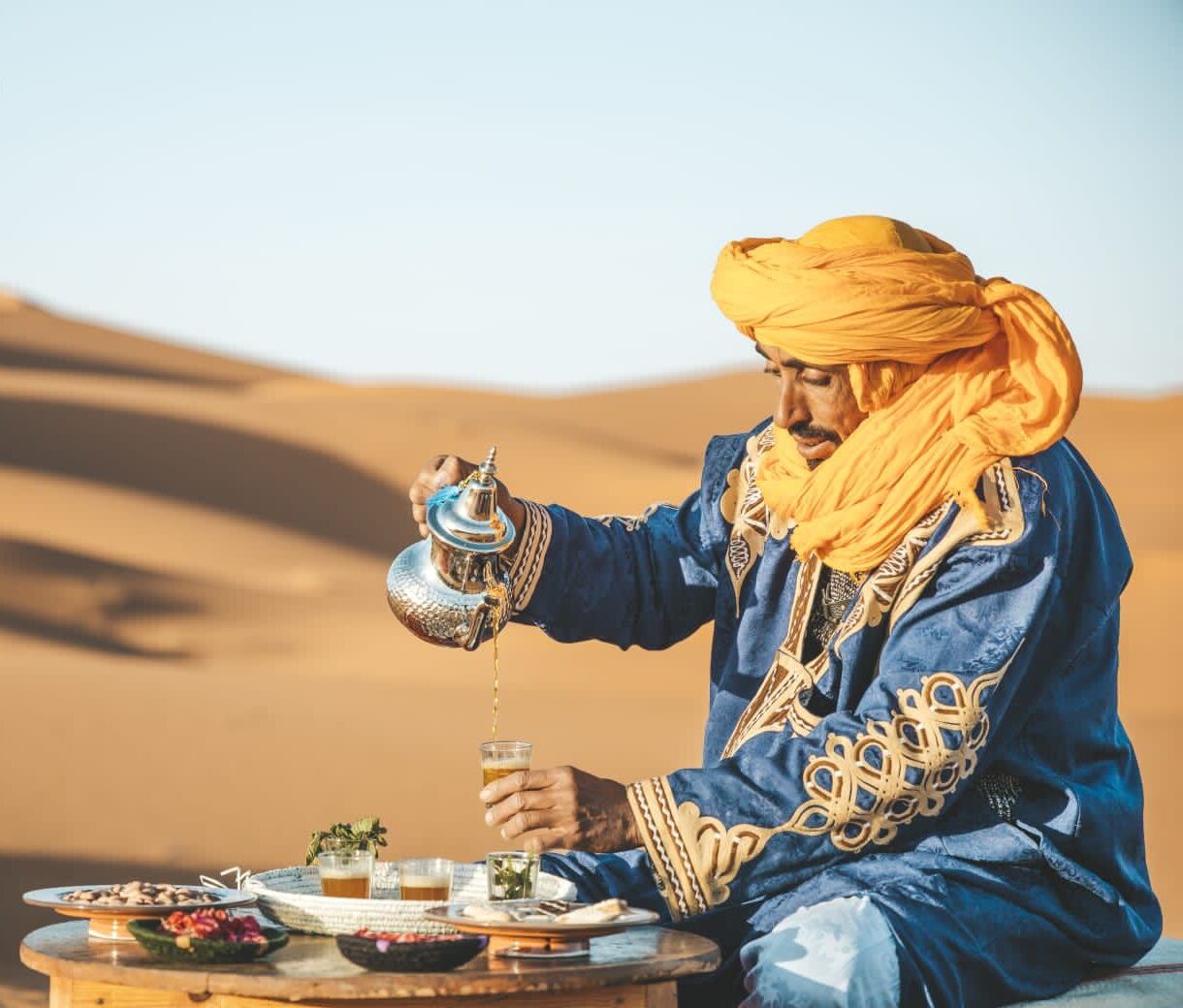
Authentic cultural immersion distinguishes memorable desert trips from ordinary tourist experiences. Quality camps facilitate genuine interactions with Berber staff, offering opportunities to learn traditional cooking methods, understand Berber music and storytelling traditions, and hear personal stories from people whose families have inhabited this region for generations.
Original Desert Camp excels in these cultural dimensions, employing local Berber guides who share their heritage with genuine enthusiasm rather than performative tourism. Evening conversations around the campfire often become the most meaningful moments of a desert journey.
Stargazing
The Sahara's distance from light pollution creates exceptional stargazing opportunities. Clear desert nights reveal the Milky Way in stunning clarity, shooting stars streak across the sky, and constellations appear with remarkable definition. Many camps provide blankets and cushions for comfortable stargazing, with guides offering constellation identification and astronomical context. The experience of lying under an infinite star field while the desert breathes around you is simultaneously humbling and transformative.
Practical Planning Tips and Preparation
What to Pack
Clothing: Bring layers regardless of season. Lightweight, breathable long sleeves and pants protect from sun and wind. Include a warm jacket or fleece for cold nights, a hat for sun protection, and sturdy hiking boots or desert-appropriate footwear. Many travelers underestimate sand's abrasiveness—good-quality socks are essential.
Skin and Sun Protection: Bring high-SPF sunscreen (SPF 50+), lip balm with SPF, and moisturizer for the extremely dry climate. Sunglasses with UV protection prevent desert glare-related eye strain.
Health Supplies: Pack personal medications, blister treatment supplies, over-the-counter pain relievers, and any necessary stomach remedies. The sudden dietary change and dehydration risks mean basic medical supplies are valuable.
Technical Gear: Bring extra phone battery packs, camera equipment with lens cleaning supplies, and consider a lightweight sleeping bag liner for extra warmth on cold nights.
Altitude and Acclimatization
Merzouga sits at approximately 760 meters elevation. While not high enough to cause serious altitude sickness, some travelers experience mild symptoms like headaches or fatigue. Arriving a day early in a lower-altitude town and drinking plenty of water helps acclimatization.
Water and Hydration
The desert's extreme dryness accelerates dehydration. Drink significantly more water than you think necessary—aim for 3-4 liters daily, even if you don't feel thirsty. Most quality camps provide unlimited water throughout the day and night.
Dietary Considerations
Traditional Moroccan desert cuisine is delicious but different from most travelers' regular diets. If you have specific dietary requirements, communicate these clearly when booking. Most reputable camps accommodate vegetarian, vegan, and gluten-free preferences with advance notice. The transition period typically lasts 1-2 days before your digestive system adjusts.
Choosing the Right Camp: Key Considerations
Camp Size and Atmosphere
Some travelers prefer sprawling camps with dozens of other guests, offering built-in community and wider activity options. Others seek intimate camps with handful of accommodations, prioritizing personalized service and quiet reflection. Original Desert Camp deliberately maintains a small guest capacity, ensuring the experience never feels crowded and allowing personalized attention to individual preferences.
Amenities and Comfort Level
Determine your comfort priorities. Do you want air conditioning, or is a well-ventilated tent sufficient? Is a private bathroom essential, or are you comfortable with shared facilities? Does the camp's dining style appeal to you—traditional Berber meals, international options, or both?
Activity Variety
Some camps emphasize adventure activities like quad biking and extended trekking, while others focus on cultural immersion and relaxation. Read reviews and camp descriptions carefully to ensure the activity mix aligns with your interests.
Authentic Cultural Experiences
Look for camps employing local Berber staff in leadership positions, not just service roles. Genuine cultural exchange happens when hosts feel invested in sharing their heritage. The best camps feature staff who have family roots in the region and personal stories to share.
Sustainability Practices
Quality camps implement waste management systems, minimize water waste, use solar power when possible, and contribute meaningfully to local communities. These practices ensure the Sahara remains pristine for future generations.
Making the Most of Your Merzouga Experience
Planning Your Visit
Once you've selected your camp, prepare thoughtfully for your desert adventure. Book during shoulder seasons (April-May or September-October) for ideal weather and fewer crowds. Bring plenty of water, sunscreen, and comfortable walking shoes. Communicate any dietary preferences or mobility considerations to the camp in advance so they can accommodate your needs seamlessly.
Arrive with an open mind and a willingness to embrace the rhythm of desert life. The Sahara operates on a different timeline than the modern world—sunrises and sunsets dictate the day's flow, not schedules and deadlines. This slower pace is precisely what makes a Merzouga camp experience so transformative.
Final Thoughts
Choosing the right Berber desert camp in Merzouga isn't just about finding a place to sleep—it's about selecting the gateway to one of Earth's most enchanting landscapes and richest cultural traditions. Original Desert Camp and other quality establishments offer more than accommodation; they provide authentic connections with Berber hospitality, stunning natural beauty, and memories that will resonate long after you leave the sand dunes behind. Your Sahara experience awaits.