
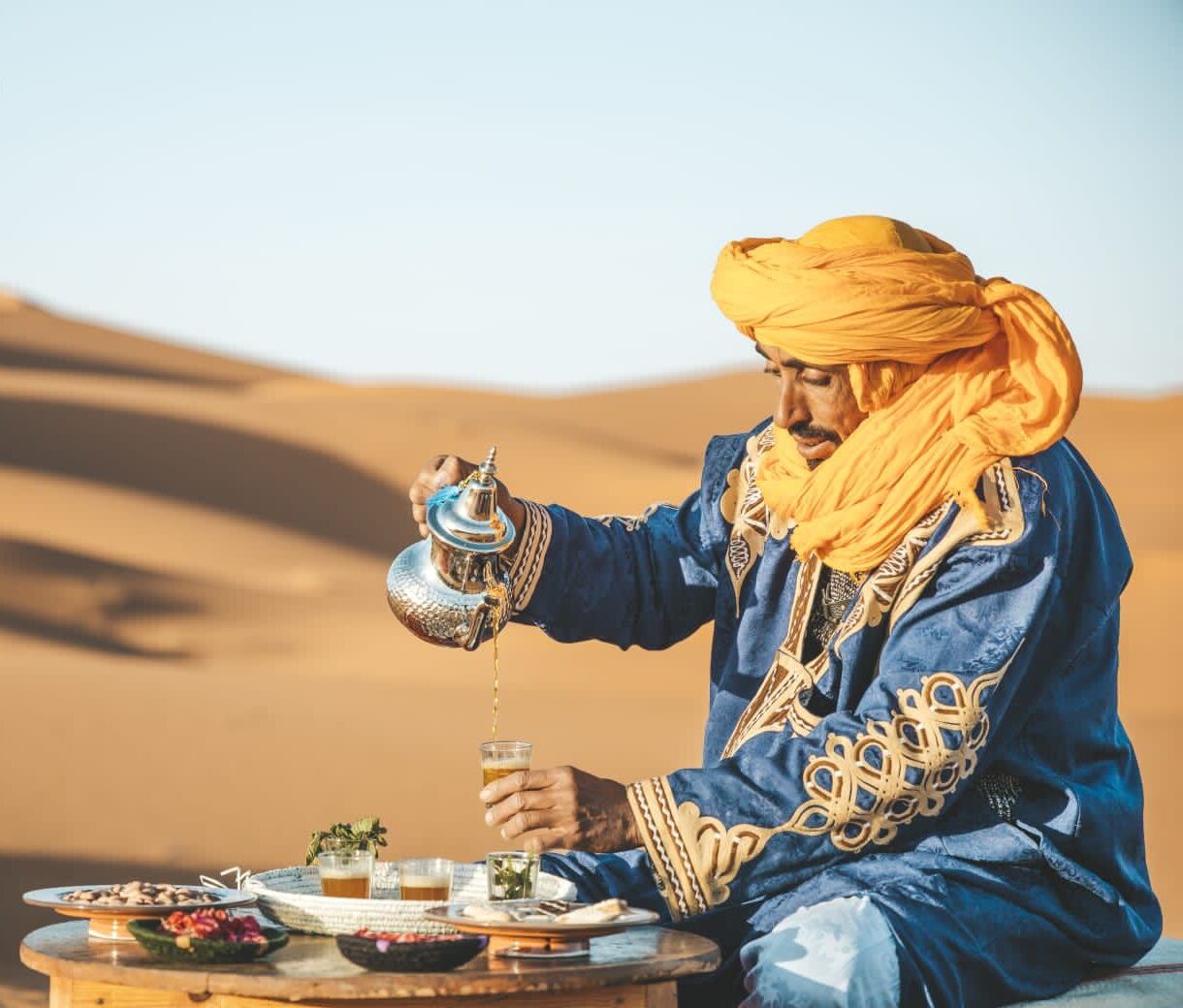
Merzouga Desert Camp vs Hotel: Which Should You Choose?
Planning a trip to the Sahara Desert is thrilling, but one of the most important decisions you'll make is where to stay. Should you book a traditional hotel in Merzouga town, or venture into the golden dunes of Erg Chebbi for a desert camp experience? This question deserves more than a quick answer—it depends on your travel style, budget, comfort preferences, and what kind of memories you want to create.
Having helped thousands of travelers navigate this choice, I'm here to break down everything you need to know about both options so you can make the decision that's right for you.
Understanding Your Options: Hotels vs Desert Camps
Before we compare, let's establish what we're actually talking about. The landscape around Merzouga offers distinctly different accommodation experiences, and understanding each one will help you appreciate the trade-offs.
What Are Merzouga Hotels?
Hotels in Merzouga town are traditional lodging facilities built on solid ground in the small village itself. These are typically multi-story buildings offering private rooms with en-suite bathrooms, electricity, hot water on demand, and often WiFi connectivity. Most Merzouga hotels feature dining facilities, common areas, and sometimes basic amenities like television or air conditioning.
The town of Merzouga sits at the gateway to Erg Chebbi, the stunning sand dunes that most visitors come to experience. Hotels are located within walking distance of shops, restaurants, and local services—you're essentially staying in civilization with the desert nearby.
What Are Desert Camps?
Desert camps, by contrast, are accommodation setups located directly in or at the edge of the Erg Chebbi sand dunes themselves. These range from luxurious Berber-style camps with private tents featuring comfortable beds and en-suite facilities, to more basic camping options. A quality merzouga desert camp like Original Desert Camp offers authentic Berber architecture combined with genuine comfort—think spacious canvas tents on platforms, proper beds with quality linens, and private bathrooms, all arranged around a central gathering space.
The experience is fundamentally different: you're sleeping where the sand meets the sky, with access to activities like camel trekking, sunset watching, and stargazing built into your location rather than requiring travel time.
The Hotel Experience in Merzouga
Advantages of Staying in Town
Maximum Convenience and Accessibility
Hotels offer undeniable convenience. You can easily walk to restaurants serving various cuisines, visit local shops, charge all your devices whenever needed, and use reliable WiFi to stay connected. If you have mobility issues or prefer not to venture far, a hotel keeps everything accessible.
Lower Price Points
Generally speaking, hotels in Merzouga are more budget-friendly than quality desert camps. You can find decent accommodation for $40-80 USD per night, compared to desert camps ranging from $80-200+ USD depending on luxury level.
Familiar Amenities
If you're someone who values consistent hot showers, climate control, and traditional beds, hotels provide exactly what you're used to at home. There's no adjustment period or compromise on these basics.
Flexibility and Independence
Stay as long or short as you want without feeling locked into a camp schedule. Come and go on your own timeline, explore at your own pace, and don't feel obligated to participate in group activities.
Disadvantages of Staying in Town
You Miss the True Desert Experience
Here's the reality: staying in Merzouga town means you're technically in the Sahara region, but you're not actually in the desert. The dunes are 30-40 kilometers away. Yes, you can arrange day trips, but there's a fundamental difference between visiting the desert and being immersed in it.
Significant Travel Time
Every desert activity requires a 45-minute to 1-hour drive each way. Want to watch the sunset over the dunes? That's 1.5-2 hours of driving plus the actual activity. The logistics add up quickly and eat into your time.
Tourist Town Energy
Merzouga town, while charming, has developed a somewhat touristy atmosphere. You'll encounter persistent vendors, tour operators, and the general hustle of a tourist destination. If you're seeking solitude and authentic connection with the landscape, the town environment can feel disconnected from that goal.
Limited Sunset and Sunrise Access
By the time you drive out to the dunes for sunset, the best light may already be fading. The same applies to sunrise—you'd need to leave extremely early. You miss the spontaneous magic of stepping outside your accommodation to witness these moments.
Weather Exposure During Travel
While driving to and from activities, you're exposed to desert conditions—dust, heat, wind. Then you retreat to your air-conditioned room, creating a disconnect rather than a gradual acclimation.
The Desert Camp Experience
Advantages of Staying in a Camp
Immersion in Authentic Desert Life
This is the core appeal. Sleeping in a desert camp means you wake to the sound of wind across dunes, step outside to infinite horizons, and genuinely experience what it feels like to be in one of Earth's most remarkable landscapes. For many travelers, this single factor alone justifies choosing a camp over a hotel.
Seamless Activity Integration
When you're already in the desert, activities flow naturally. Sunset watching isn't a logistics challenge—it's steps away from your tent. Sunrise camel treks start right outside your accommodation. You maximize your actual time experiencing the dunes rather than traveling to them.
Genuine Cultural Connection
Quality desert camps, including Original Desert Camp, are built on Berber traditions and operated by local Berber families. You're not just visiting a culture; you're staying within one. Meals often feature traditional Berber cuisine, evening gatherings include local music and storytelling, and your hosts share genuine knowledge about life in the Sahara.
Sunset and Sunrise Magic
There's something profoundly moving about watching the sun paint the dunes gold and crimson from your camp, then stepping outside your tent the next morning as light gradually transforms the landscape. These aren't scheduled activities—they're part of your living experience.
Stargazing Opportunities
Away from town lights, the night sky reveals itself in stunning detail. The Milky Way becomes clearly visible, and the sheer density of stars can be genuinely overwhelming in the best possible way. Many travelers report that desert stargazing is among their most memorable travel experiences.
Authentic Berber Hospitality
In a quality desert camp, you're welcomed as a guest in the Berber tradition. This means genuine hospitality, shared meals, and interactions that feel human and connected rather than transactional. The staff isn't clocking out at the end of a shift—they're part of a community hosting you.
Flexible Pacing
Without the pressure of town schedules or transportation logistics, you can move at the desert's pace. Spend extra time exploring a particular dune, sit quietly watching light change, or join spontaneous activities that emerge organically.
Disadvantages of Desert Camps
Physical Comfort Adjustments
Even at quality camps like Original Desert Camp, tent living requires some adjustment. Canvas walls mean you'll hear wind and occasional sand. The bed, while comfortable, may differ from what you're accustomed to. Bathrooms, though private and functional, are often outdoor or semi-outdoor setups. These aren't hardships—they're part of the authentic experience—but they're worth acknowledging if you have specific comfort needs.
Limited Connectivity
Most desert camps operate on solar power or generators with no WiFi. This is actually wonderful for many travelers (digital detox!), but if you need to work remotely or stay constantly connected, it's a significant limitation.
Weather Exposure
Desert weather can be intense. Summer heat can exceed 50°C (122°F) during the day, though nights cool dramatically. Wind can kick up sandstorms. Rain, while rare, does happen. Quality camps are designed to handle this, but you're still more exposed to elements than in a hotel's controlled environment.
Group Dynamics
Most desert camps operate on set schedules with group activities. If you're introverted or prefer complete solitude, the communal nature—shared meals, group camel treks, evening gatherings—might feel constraining, even though it's usually what creates the magical experience for most guests.
Accessibility Limitations
If you have mobility challenges, significant health concerns, or specific medical needs, a tent-based camp may not be suitable. Limited medical facilities nearby and the physical nature of desert activities are important considerations.
Pre-booking Requirement
Desert camps typically require advance booking and commitment. You can't just show up and decide to stay—you need to plan ahead and commit to specific dates.
Practical Comparison: What Matters Most to You?
Choose a Hotel If You:
- Prioritize maximum comfort and familiar amenities above all else
- Have limited mobility or specific health requirements
- Are traveling on a tight budget and want to minimize accommodation costs
- Prefer maximum independence and flexibility with no set schedules
- Want to stay in Merzouga for reasons beyond the desert experience (business, specific events)
- Are concerned about weather exposure or tent living
- Need constant internet and phone connectivity
- Prefer not to interact extensively with other travelers
Choose a Desert Camp If You:
- Want authentic immersion in the Sahara landscape and Berber culture
- Seek memorable experiences over maximum comfort
- Love sunrise, sunset, and stargazing and want spontaneous access to them
- Enjoy group travel and meeting fellow adventurers
- Are interested in camel trekking and desert exploration
- Want to minimize travel time between accommodation and activities
- Can adapt to rustic living conditions as part of your adventure
- Value genuine hospitality and cultural exchange
- Seek a break from constant connectivity
The Original Desert Camp Advantage
If you're leaning toward the desert camp experience, Original Desert Camp represents what quality looks like in this category. Rather than basic camping or overly commercialized mega-camps, Original Desert Camp offers the sweet spot: genuine Berber hospitality and authentic desert immersion combined with real comfort.
The camp features properly constructed Berber tents on raised platforms with actual beds, quality linens, and private en-suite bathrooms. The central gathering area hosts evening meals featuring traditional Berber cuisine, live music, and storytelling. The location in Erg Chebbi puts you directly in the dunes—not at the edge, but genuinely within the desert landscape.
What distinguishes Original Desert Camp is the family-run aspect. You're not a number in a large operation; you're a guest of the family that calls this desert home. The knowledge, warmth, and genuine interest in your experience aren't performance—they're authentic.
Making Your Decision: The Honest Assessment
Here's what I've observed after years of helping travelers make this choice: most people who choose a hotel in Merzouga feel they "should have" gone to a desert camp. They underestimate how much they'd value the immersion experience and overestimate how much they need the town amenities.
Conversely, I've rarely encountered someone who stayed at a quality desert camp and regretted it. Even travelers who initially worried about the rusticity found that the experience transcended comfort concerns.
That said, context matters. If you're 70 years old with arthritis, a hotel might genuinely be the better choice. If you're a digital nomad who needs to work, perhaps a hotel makes sense for part of your stay, then a camp for the remainder. If your budget is extremely tight, hotels offer better value.
But if you have the physical ability, flexibility, and even modest willingness to adapt, the desert camp experience is transformative in ways that hotels simply cannot replicate. You don't just see the Sahara from a car or day trip—you exist within it.
A Hybrid Approach Worth Considering
Some travelers split their stay: a night or two in Merzouga town to acclimate, handle any logistics, enjoy specific restaurants, and then move to a desert camp for the immersion experience. This approach minimizes the "what if I hate it" anxiety while still prioritizing the authentic desert experience.
Alternatively, if you're visiting the region for multiple days, you could do both without the hybrid approach—stay in town for some nights and use those as bases for exploring different aspects of the region, then spend nights at a camp for the Erg Chebbi immersion.
Practical Tips for Either Choice
If You Choose a Hotel:
- Book accommodation on the edge of town closest to the dunes
- Arrange private or small-group camel treks rather than larger tour groups
- Plan to spend at least one full day in the dunes, not just a quick visit
- Ask your hotel staff for authentic restaurant recommendations away from main tourist streets
- Consider hiring a private driver for flexibility rather than joining large tour groups
If You Choose a Desert Camp:
- Arrive early enough to settle in before sunset and maximize your time in the dunes
- Pack layers—desert nights are cold, despite daytime heat
- Bring high SPF sunscreen and a good hat; the sun reflects intensely off sand
- Choose a camp that offers activities beyond camel trekking (stargazing, Berber cooking, cultural sessions)
- Plan to stay at least two nights to fully appreciate the rhythm of desert life
Final Thoughts
Whether you choose the comfort and convenience of a Merzouga hotel or the transformative immersion of a desert camp like Original Desert Camp, the goal remains the same: to experience the Sahara authentically and create memories that resonate long after you've returned home. The best choice is ultimately the one that aligns with your travel style, comfort level, and what you hope to gain from your time in Morocco. Whichever path you choose, the Sahara will leave its mark on your soul.