
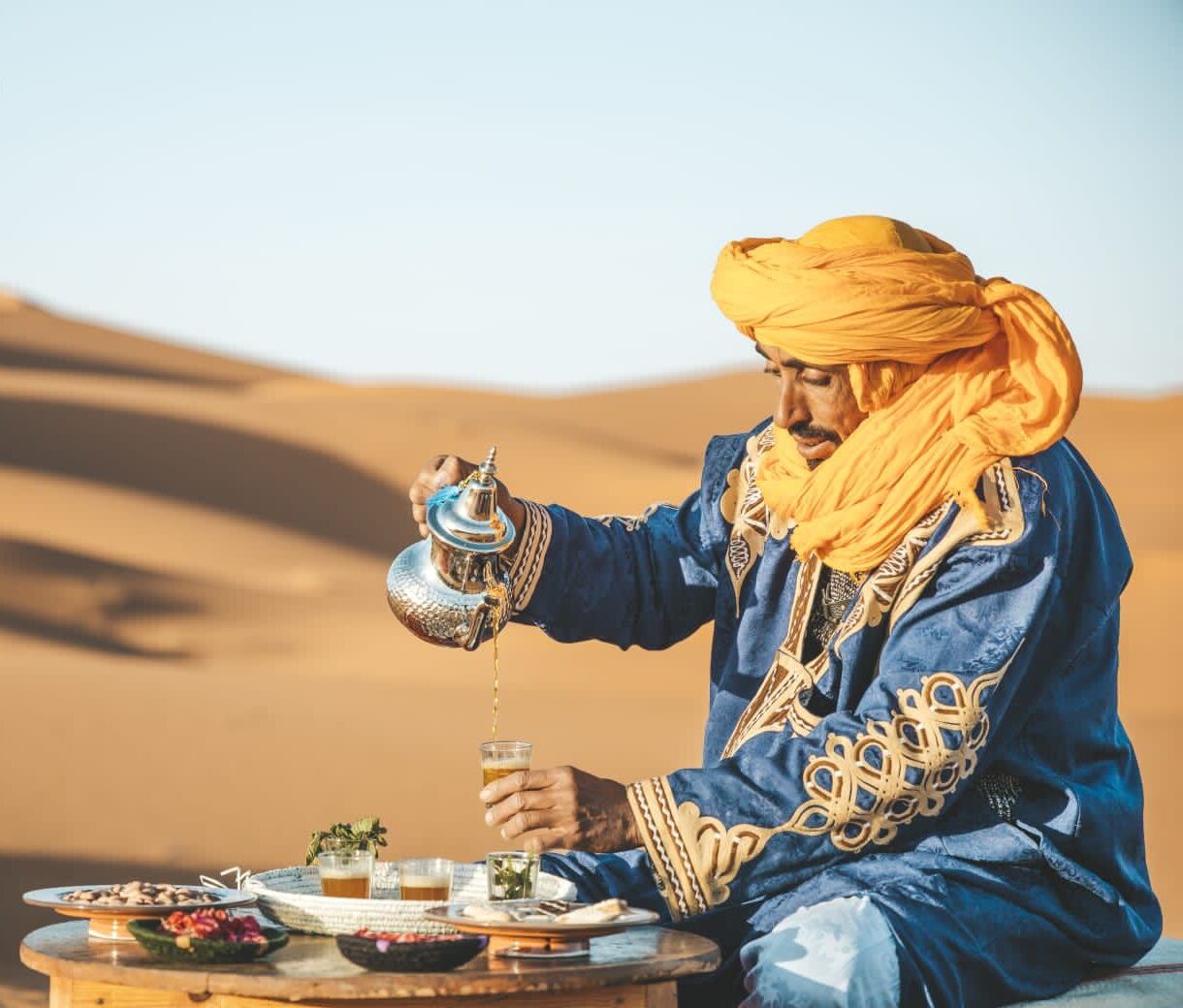
Merzouga Desert Camp Weather by Month: A Month-by-Month Breakdown
Planning a desert adventure to Merzouga isn't just about booking accommodations and camel rides—understanding the climate is absolutely essential to ensuring you have the most comfortable and memorable experience possible. The Sahara Desert near Merzouga is a study in extremes, where temperatures can shift dramatically between seasons and even between day and night. Whether you're considering a visit to Original Desert Camp or simply exploring options for your desert experience, knowing what weather conditions await you will help you pack appropriately and manage expectations.
In this comprehensive guide, we'll walk you through the weather patterns in Merzouga throughout the entire year, examining temperature ranges, precipitation, humidity levels, and practical considerations for each month. This information will help you choose the ideal time for your desert camp experience and understand what to expect when you arrive.
Understanding Merzouga's Desert Climate
Before diving into month-by-month breakdowns, it's helpful to understand the broader climate characteristics of the Merzouga region and Erg Chebbi dunes. Located in southeastern Morocco, Merzouga sits on the edge of the Sahara Desert and experiences a hot desert climate with minimal rainfall. The region is characterized by intense solar radiation, low humidity in certain seasons, dramatic temperature fluctuations, and significant wind patterns that shape the landscape and the experience of visitors.
The Erg Chebbi dunes, which rise up to 160 meters high, create their own microclimate. These massive sand formations absorb and radiate heat differently than the surrounding terrain, and the dunes provide some shelter from wind in certain areas while channeling breezes in others. When you stay at a desert camp like Original Desert Camp, you're not simply staying in the middle of an empty wasteland—you're positioned within a specific geographic and climatic zone that offers relative comfort despite the harsh desert conditions.
January: Winter Chill and Clear Skies
January is winter in the Sahara, and while the region doesn't experience snow or freezing temperatures in the traditional sense, it is notably cooler than other months. During the day, temperatures typically range from 15°C to 20°C (59°F to 68°F), which might feel warm when you're in direct sunlight but becomes quite cool once the sun sets.
What to Expect
Nighttime temperatures in January can drop to around 5°C to 10°C (41°F to 50°F), making warm layers essential for evening activities and sleeping in a traditional Berber tent. However, January offers some significant advantages: the skies are typically clear with excellent visibility for stargazing, and the cooler temperatures make daytime activities more comfortable.
January experiences virtually no rainfall in Merzouga—precipitation averages less than 5mm for the entire month. The low humidity during these winter months can actually feel quite pleasant compared to the oppressive heat of summer.
Packing and Activity Considerations
For a January visit to Original Desert Camp, bring layers including a warm jacket or sweater for evenings. The contrast between the cool mornings and afternoons and the chilly nights means you'll appreciate having options. Sunscreen remains important despite lower temperatures—desert sun reflects off sand and can still cause burns.
Camel trekking in January is genuinely enjoyable. The cooler temperatures mean both you and the animals are more comfortable during longer excursions across the dunes. The clear skies also make dawn and dusk explorations particularly stunning.
February: Still Cool, Growing Warmth
February continues January's relatively mild pattern while showing a gradual warming trend as spring approaches. Daytime temperatures typically range from 18°C to 23°C (64°F to 73°F), while nights cool to approximately 8°C to 12°C (46°F to 54°F).
Weather Patterns
This month remains exceptionally dry with almost no rainfall expected. The Merzouga desert camp weather in February is characterized by clear skies and low humidity, making it an excellent time for extended outdoor activities. Wind patterns can be somewhat variable, occasionally bringing katabatic winds from the Atlas Mountains, but these are generally not severe enough to impact camp operations significantly.
Activities and Preparation
February is considered one of the better months for visiting because you get increasingly comfortable daytime temperatures without the extreme heat of summer, combined with relatively short nights and excellent weather stability. This is an ideal time for photography enthusiasts—the low sun angle creates beautiful golden light during morning and evening hours.
Pack warm layers for evenings, but you'll notice you need lighter clothing as midday approaches. The transition nature of February means bringing versatile clothing that works in layers is your best strategy.
March: Spring Awakening and Temperature Rise
March marks the true transition into spring across North Africa. Merzouga desert camp temperature ranges expand noticeably, with daytime highs reaching 22°C to 28°C (72°F to 82°F), while nights remain relatively cool at 12°C to 16°C (54°F to 61°F).
Climate Characteristics
The region still receives minimal precipitation—typically less than 2mm. However, March can bring increased wind activity as temperature differences between the warming Sahara and cooler Mediterranean regions create pressure gradients. These winds are part of the natural Saharan climate and rarely prevent outdoor activities, though they can make conditions feel more challenging and can create temporary visibility reductions during sandstorms.
Visitor Experience
March is increasingly popular with visitors because daytime temperatures are warm but not oppressive, and the contrast with cool nights creates a pleasant overall experience. The increasing daylight hours mean you have more time for desert exploration. Many travelers find March offers the sweet spot between winter's cool evenings and summer's extreme heat.
At Original Desert Camp, March guests often report that the combination of comfortable temperatures and clear skies makes for memorable camel trekking experiences. The dunes are expansive and dramatic, and the seasonal light quality creates stunning contrasts between sand and sky.
April: Spring in Full Force
April represents late spring in the Merzouga region, with daytime temperatures climbing to 28°C to 35°C (82°F to 95°F). Nighttime temperatures remain moderate at 16°C to 20°C (61°F to 68°F), though the contrast between day and night becomes increasingly pronounced.
Precipitation and Wind
April typically receives even less rainfall than preceding months, with precipitation averaging near zero. However, wind patterns can be variable, and spring winds associated with the transition season occasionally increase in frequency. The region may experience brief gusts that create visible dust devils or temporary sand disturbance, but sustained sandstorms are relatively uncommon.
Activity Planning
April is still considered a favorable time to visit, though you should be prepared for noticeably warmer days. The nights remain cool enough that you'll appreciate a blanket or light jacket, but daytime exploration requires sun protection and adequate hydration. Camel trekking in April typically begins early in the morning to take advantage of cooler temperatures before the sun reaches its peak.
Springtime brings subtle changes to desert life. You might notice slight variations in desert vegetation if there's been any winter moisture, and the quality of light continues to improve as the season progresses. For photography and visual exploration, April remains excellent.
May: Late Spring Heat Building
May represents the final month of spring and the beginning of the transition toward summer heat. Daytime temperatures typically range from 32°C to 38°C (90°F to 100°F), with some days potentially reaching higher extremes. Nights cool to approximately 18°C to 23°C (64°F to 73°F), maintaining the pleasant contrast that characterizes shoulder seasons.
Weather Considerations
Rainfall remains essentially non-existent in May, with less than 1mm average precipitation. However, wind patterns can become more variable and unpredictable. Occasionally, strong hot winds known locally as the "sirocco" or "chergui" wind can push into the region, bringing dust and raising temperatures even higher. These winds are sporadic rather than consistent but can create challenging conditions when they occur.
Visitor Preparation
May is still visited by many travelers, but it requires more careful planning than earlier months. You should plan activities for early morning and late evening, leaving the hottest part of the day for rest at your camp. Original Desert Camp provides shade structures and indoor spaces specifically designed for afternoon cooling—these become increasingly valuable as temperatures rise.
Hydration becomes critical in May. The combination of heat, low humidity, and wind can lead to rapid dehydration. Carry more water than you might expect to need, and drink consistently throughout the day rather than waiting until you feel thirsty.
June: Transition to Summer Heat
June is generally considered the beginning of summer in the Sahara, though it's somewhat variable depending on specific weather patterns. Merzouga camp June conditions typically feature daytime temperatures ranging from 35°C to 42°C (95°F to 108°F), while nights remain relatively warm at 20°C to 25°C (68°F to 77°F).
Weather Patterns and Challenges
June is exceptionally dry with virtually zero precipitation. However, this month can bring occasional strong wind events and increased atmospheric instability. The summer heat begins to build significantly, and humidity—while still relatively low—may increase slightly compared to earlier months.
Visitor Considerations
June is less popular than spring months, and for good reason—the heat becomes genuinely challenging during midday. However, some travelers specifically visit during this period because accommodations are less crowded and prices may be lower. If you do visit in June, extensive planning around heat management becomes essential.
Your daily rhythm at Original Desert Camp would typically involve early morning exploration (4:00-8:00 AM), rest and indoor activities during the hottest part of the day (10:00 AM-4:00 PM), and evening exploration (5:00-8:00 PM) before returning for dinner and sleep. Night activities, including stargazing from the dunes, become particularly appealing because of the comfortable temperatures.
July: Peak Summer and Extreme Heat
July is the hottest month in Merzouga, with daytime temperatures regularly exceeding 40°C (104°F) and occasionally reaching 45°C (113°F) or higher. Nighttime temperatures typically range from 22°C to 27°C (72°F to 81°F), providing some relief but remaining notably warm.
Climate Characteristics
July is extremely dry with zero measurable precipitation expected. Humidity remains low, which is a blessing because high heat combined with high humidity would be unbearable. The low humidity means sweat can evaporate, providing some physiological cooling benefit, but the intense radiant heat from the sun and sand remains challenging.
Wind patterns can be variable, but sustained strong winds are relatively uncommon. When they do occur, they typically blow hot air across the desert rather than providing cooling relief.
Visitor Activity and Reality
July is the least popular month for desert camp visits, and realistically, extreme caution is necessary if you choose to visit during this period. Extended outdoor activities during midday hours become genuinely dangerous. Heat exhaustion and heat stroke are serious risks that require constant vigilance.
If you visit a desert camp like Original Desert Camp in July, your experience would be heavily structured around heat avoidance. You would essentially be nocturnal or crepuscular (active at dawn and dusk), spending the hottest hours in shaded or air-conditioned spaces. Many visitors to July find that the nighttime experience—sleeping under stars in the cool night air, exploring the dunes at night, and experiencing the silence of the desert after sunset—offers unique appeal that compensates for the extreme daytime heat.
August: Still Hot, Slight Moderation
August continues summer heat patterns, though there's sometimes a very slight moderation compared to July peaks. Daytime temperatures typically range from 38°C to 42°C (100°F to 108°F), while nighttime temperatures remain warm at 21°C to 26°C (70°F to 79°F).
Seasonal Weather
August remains extraordinarily dry with virtually no precipitation. Wind patterns remain variable, though sustained strong winds are still relatively uncommon. Atmospheric conditions remain stable, and the clear skies persist.
Visitor Experience
August shares July's characteristics as a less popular month due to heat intensity. However, the slight moderation in temperatures compared to July, combined with the peaceful atmosphere of visiting during the low season, appeals to some travelers. The experience remains heavily focused on managing heat and enjoying nocturnal activities.
If you can access air-conditioned or well-cooled accommodations during the day, August's nighttime temperatures are actually quite pleasant for evening activities. The dunes remain beautiful, and the summer sky offers incredible stargazing opportunities.
September: Autumn Begins, Heat Persists
September marks the astronomical beginning of autumn in the Northern Hemisphere, though Saharan weather patterns don't strictly follow calendar seasons. Daytime temperatures typically range from 35°C to 40°C (95° to 104°F), while nighttime temperatures drop slightly to 20°C to 25°C (68°F to 77°F). This modest decrease signals the beginning of the desert's transition toward cooler months.
Seasonal Weather
September still experiences minimal rainfall, though atmospheric moisture begins a gradual increase. Wind patterns start to shift, and occasional gusts become slightly more frequent as pressure systems begin their seasonal transitions. The overall weather remains stable and predictable.
Visitor Experience
September attracts slightly more visitors than July and August, as some travelers recognize the subtle cooling trend. Days remain hot, but the psychological shift toward autumn, combined with improving nighttime comfort, makes the experience more manageable. Sunset and sunrise activities become increasingly rewarding as the season progresses.
The transition month of September offers a sweet spot for those who can tolerate moderate heat but want to avoid the peak intensity of summer. The dunes showcase their warm golden hues beautifully in the softer September light, and evening temperatures finally become genuinely comfortable for extended outdoor exploration.
Final Thoughts
Whether you visit Merzouga during the scorching summer months or the milder winter season, Original Desert Camp provides the perfect base for experiencing the Sahara's diverse climate and landscapes. Each season offers unique advantages, from summer's dramatic heat and empty dunes to autumn's gentle transition. We invite you to discover which season resonates most with your travel style and create unforgettable memories in Morocco's most enchanting desert destination.