
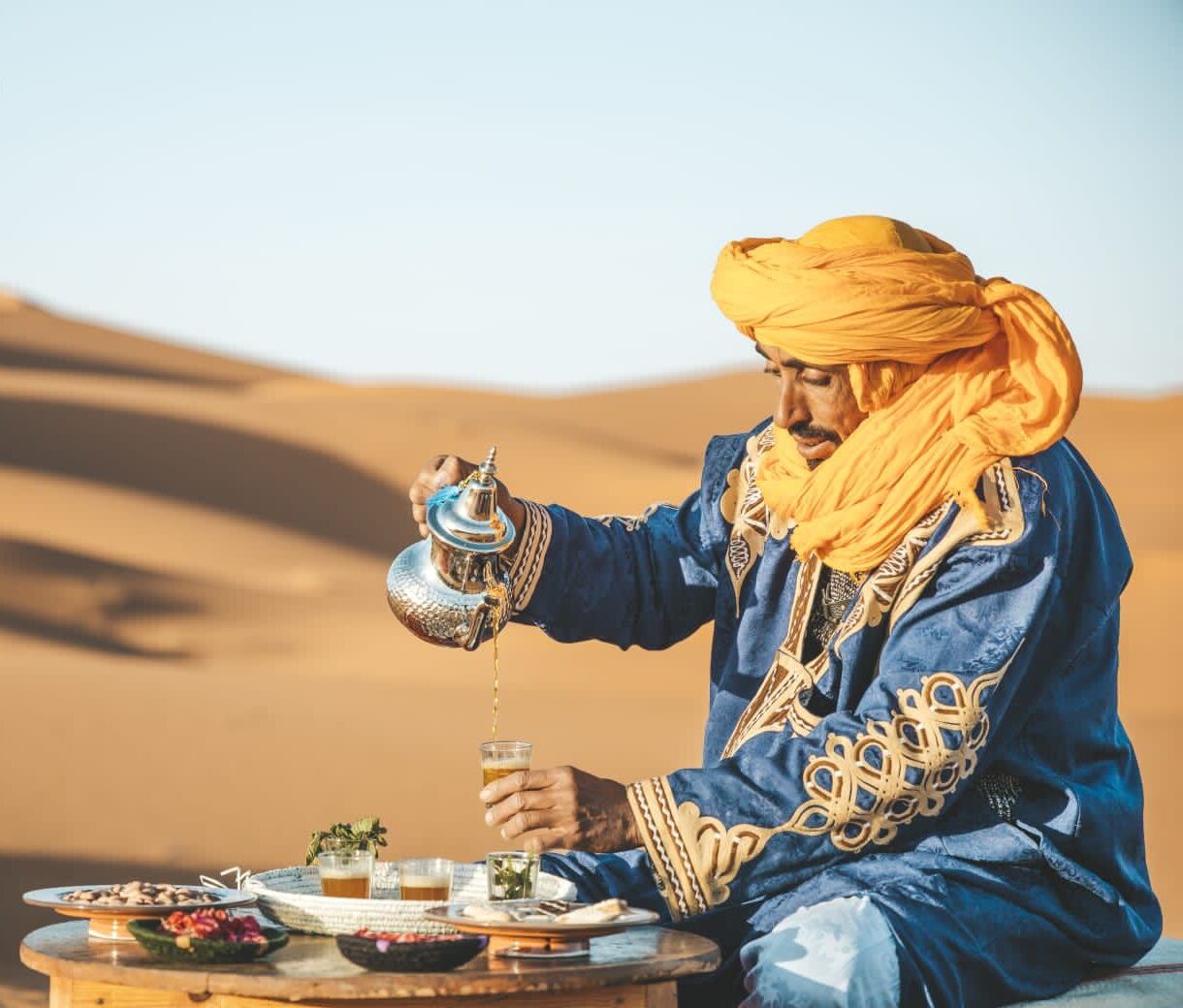
Merzouga Desert Camp Weather & Temperature: What to Expect Year-Round
Planning a desert adventure to Merzouga isn't just about booking accommodation and booking camel rides—understanding the weather patterns is absolutely essential for having a comfortable, safe, and unforgettable experience. The Sahara Desert is a place of extremes, and the Erg Chebbi dunes near Merzouga are no exception. Whether you're dreaming of sleeping under starlit skies at a Merzouga desert camp or wondering if you can actually handle the heat, this comprehensive guide will help you prepare for whatever Mother Nature throws your way.
The desert climate around Merzouga is dramatic and demands respect. Temperatures can swing wildly from scorching heat during the day to surprisingly cold nights. Wind patterns change seasonally, rainfall is rare but possible, and humidity fluctuates throughout the year. At Original Desert Camp, we've hosted thousands of travelers from around the world, and we've learned that the key to desert comfort is understanding what to expect and preparing accordingly.
Understanding the Desert Climate of Merzouga
The Merzouga region, situated in southeastern Morocco near the Algerian border, sits in one of the most arid regions on Earth. The Sahara Desert covers vast stretches of North Africa, and Erg Chebbi—one of Morocco's most impressive sand dune fields—is where most desert camps operate. This isn't a sandy desert scattered with sparse vegetation; it's dramatic, towering dunes that can reach heights of 150 meters.
The climate here is classified as a hot desert climate (Köppen-Gertzen classification: BWh), which means extremely hot summers, mild winters, and minimal precipitation. The terrain itself plays a crucial role in how weather patterns develop. The sand absorbs and radiates heat differently than other landscapes, creating temperature fluctuations that can be quite dramatic.
Wind is another critical factor in the Merzouga desert environment. The region experiences seasonal wind patterns, particularly the Harmattan wind that blows from the Sahara northward. This wind can be quite intense during certain months and carries with it fine sand particles. Understanding these patterns helps you prepare mentally and physically for your stay at any Merzouga desert camp.
Temperature Patterns Throughout the Year
Spring (March to May): The Sweet Spot
Spring is arguably the best time to visit a Merzouga desert camp, and temperatures are a big part of why. During March, expect daytime temperatures around 25-30°C (77-86°F), rising slightly through April and May to approximately 30-35°C (86-95°F). Nighttime temperatures are pleasantly cool, typically ranging from 10-15°C (50-59°F).
Why is spring so appealing? The heat is intense enough to feel authentically desert-like, but not so overwhelming that you'll struggle to enjoy activities like camel trekking or exploring the dunes. At Original Desert Camp, we notice that spring guests can comfortably spend several hours on camelback during daytime without exhaustion setting in too quickly.
The humidity levels during spring are relatively low, rarely exceeding 30%, which makes the heat feel more manageable. Rain is still extremely unlikely—the Merzouga region receives only about 100-150mm of precipitation annually, mostly during winter months. You can confidently plan outdoor activities without worrying about storms disrupting your itinerary.
Summer (June to August): Extreme Heat
Summer in Merzouga brings the most dramatic temperatures of the year. Daytime highs regularly exceed 40°C (104°F), with peak temperatures often reaching 45-48°C (113-118°F). These aren't casual numbers—they represent genuinely dangerous heat that demands respect and careful planning.
However, here's something crucial that surprises many travelers: nighttime temperatures still drop significantly, typically to around 20-25°C (68-77°F). This dramatic diurnal temperature range is characteristic of desert climates. The sand has low thermal mass, so it releases stored heat quickly once the sun sets.
Summer is when most casual travelers avoid the desert, and that's understandable. Camel trekking becomes more challenging, and you'll need to adjust your activity schedule significantly. Most experienced desert camps, including Original Desert Camp, recommend early morning departures (starting around 5-6 AM) for any outdoor activities, then retreating to shaded areas during peak heat hours (11 AM to 4 PM).
The Harmattan wind is less pronounced during summer, but the air is incredibly dry—humidity can drop below 10%. This extreme dryness means dehydration becomes a serious concern. You'll need to drink significantly more water than you realize, as your body's thirst signals can lag behind your actual hydration needs in these conditions.
Autumn (September to November): Cooling Down Gracefully
September marks the beginning of a gradual temperature decline. Early September still feels hot, with daytime temperatures around 38-40°C (100-104°F), but by late September, you're looking at 30-35°C (86-95°F). October and November are genuinely comfortable, with daytime temperatures settling into the 25-30°C (77-86°F) range.
Autumn is actually an underrated season for desert visits. Many travelers focus on spring, but autumn offers similar comfortable temperatures with fewer crowds. The nights are cool and refreshing, typically 10-15°C (50-59°F), making for excellent sleeping conditions under the stars.
This season sees the return of the Harmattan winds, which can create spectacular sunrise and sunset colors as dust particles catch the light. The wind also provides natural cooling during what would otherwise be quite hot days. Wind speeds can occasionally reach 20-30 km/h, creating visible dust clouds on the dunes, but this is part of the authentic desert experience.
Winter (December to February): Cold Surprises
Winter brings the most dramatic nighttime temperatures. While daytime highs are generally pleasant—ranging from 18-25°C (64-77°F)—nighttime lows can drop to 5-10°C (41-50°F), occasionally dipping below freezing on particularly clear nights.
This is when precipitation is most likely. While the Merzouga desert is still incredibly arid, occasional winter rains do occur. During 2023 and 2024, the region experienced unusual rainfall patterns that surprised many visitors. Rain in the desert can create magical moments—petrichor rising from the sand is an experience many desert travelers cherish—but it can also disrupt plans and make dune conditions less ideal for camel trekking.
The clear, cold nights of winter create absolutely phenomenal stargazing conditions. The atmosphere is often at its most transparent, and there's less haze in the air. If you're interested in astronomy or simply want the most incredible view of the Milky Way, winter nights (despite the cold) offer unmatched clarity. At Original Desert Camp, we've had guests report that December and January nights provided the most stunning stars they've ever seen.
Wind Patterns and Dust Storms
Wind deserves special attention when discussing Merzouga desert camp weather, as it significantly impacts your experience in ways that temperature alone cannot capture. The region experiences several wind patterns throughout the year:
Harmattan Wind: This northeasterly wind blows primarily during autumn and winter (September to April), bringing cooler air from the Sahara interior. It typically starts gently in the morning and can build throughout the day. Wind speeds usually range from 10-20 km/h, but occasionally exceed 30 km/h.
Shamal Wind: Less common than the Harmattan, this wind occasionally brings extremely hot, dry air and can create dust storms. These are more prevalent in spring and can reduce visibility significantly.
Dust storms in the Merzouga area are relatively uncommon compared to other Sahara regions, but they do happen. True haboobs (intense dust wall systems) are rare, but blowing sand and reduced visibility can occur, particularly during spring months. When dust conditions are present, outdoor activities become challenging, and visibility can drop to just a few meters.
The good news? Most dust events are brief and localized. Even during prime dusty seasons, you might experience clear conditions most days. The camps in Merzouga have been operating long enough to know how to work around these conditions, adjusting schedules and activity plans as needed.
Humidity and Comfort Levels
A point many travelers overlook is that Merzouga's low humidity actually makes higher temperatures more bearable than you'd experience in humid climates. A 40°C day in Merzouga feels dramatically different from 40°C in, say, the Gulf Coast region of the United States, where humidity regularly exceeds 70%.
The average humidity in Merzouga ranges from about 20-40%, depending on the season. Spring and autumn typically see 25-35% humidity. Summer humidity is actually the lowest, often dropping below 20% due to the extreme heat and aridity. Winter humidity climbs a bit, reaching 35-40%, especially on days when moisture moves up from the Atlantic.
This low humidity accelerates evaporative cooling on your skin, which is why nighttime temperature drops feel so pronounced. It also means your sweat actually evaporates and cools you rather than simply making you feel wet and miserable. However, it also means your skin and lips will dry out noticeably, so bringing a good moisturizer and lip balm is essential.
Best Times to Visit a Merzouga Desert Camp
Peak Season (March to May)
Spring is undeniably the most popular time for desert visits, and the numbers speak for themselves. Temperatures are ideal—warm but not oppressive—and nighttime temperatures are cool without requiring heavy cold-weather gear. Daytime humidity is low, and precipitation is virtually nonexistent.
The trade-off? More crowds. Merzouga's popular camps, including Original Desert Camp, tend to operate at higher capacity during these months. You'll have more fellow travelers sharing the experience, which some people enjoy and others find detracting.
Secondary Season (September to November)
Autumn is criminally underrated. You get essentially the same comfortable temperatures as spring, with the added bonus of fewer tourists. September can still feel a bit warm, but October and November are absolutely ideal. Prices are often slightly lower than peak season, and you'll have more personal space and attention from camp staff.
The Harmattan winds create visual drama on the dunes, and the air often feels fresher. If you're planning a desert retreat and flexibility allows, autumn is genuinely a wonderful choice.
Winter (December to February)
Winter appeals to specific travelers: those who are cold-hardy and want to experience the desert's quieter season, or those who want the phenomenal stargazing. The days are comfortable for desert activities, though the nights require more layers. Be prepared with a good sleeping bag if you're sensitive to cold.
Rainfall is possible but still uncommon. Recent climate patterns have seen slightly more precipitation than historical averages, but the region remains dry enough that rain rarely disrupts itineraries.
Summer (June to August)
Summer isn't impossible—experienced desert travelers certainly visit during these months—but it requires different expectations. You'll pay less, experience far fewer tourists, and get an intense, raw desert experience. However, you must adjust your activity schedule to early mornings and evenings, maintain exceptional hydration, and prepare mentally for genuine heat.
If you choose summer, acknowledge that you're choosing adventure over comfort, and plan accordingly.
What to Pack Based on Weather Conditions
Understanding Merzouga desert camp weather is one thing; packing appropriately is another. Here's practical guidance for each season:
For Spring Visits
- Lightweight, breathable clothing for daytime (long sleeves and pants protect from sun)
- A light fleece or sweater for evenings
- Wide-brimmed hat or desert turban
- Sunscreen (SPF 50+) and sunglasses
- Modest water bottle (2 liters minimum)
- Moisturizer and lip balm
For Summer Visits
- Extremely lightweight, loose-fitting, light-colored clothing
- Light scarf or turban for sun and wind protection
- SPF 50+ sunscreen and reapplication schedule
- Large water bottle or hydration bladder (3+ liters)
- Electrolyte supplements
- Light layers for unexpectedly cold nights (though rare)
For Autumn Visits
- Similar to spring: lightweight daytime clothes with long coverage
- Sweater or light jacket for evenings
- Hat and sun protection
- All the basics: sunscreen, sunglasses, water
For Winter Visits
- Layers that can be added and removed
- Warm jacket or thick hoodie for nighttime
- Good sleeping bag rated for 5-10°C (consult with your camp)
- Hat and gloves
- Regular water bottle is fine
- Moisturizer for dry air
Planning Your Desert Camp Experience
At Original Desert Camp, we've found that the most satisfied guests are those who prepare thoughtfully for the climate while remaining flexible with their expectations. The desert has a way of surprising you—sometimes with unexpected warmth, sometimes with piercing cold—but with the right packing strategy, you'll be comfortable enough to fully embrace the experience.
We recommend arriving at least a day before any scheduled desert activities to acclimate to the altitude and temperature shifts. This gives your body time to adjust and allows you to fine-tune your comfort level before heading out on camel treks or spending the night under the stars.
Remember that our team at Original Desert Camp is always available to answer specific questions about what to bring. We've guided thousands of guests through the Sahara, and we're happy to provide personalized recommendations based on your visit dates and personal preferences.
Final Thoughts
Packing for the Merzouga desert doesn't have to be complicated—it's simply about respecting the environment while prioritizing your comfort and safety. By following these seasonal guidelines and listening to local advice, you'll spend less time worrying about what you're wearing and more time marveling at the golden dunes, star-filled skies, and authentic Berber hospitality that make Original Desert Camp unforgettable. The desert rewards those who come prepared.