
What to Expect at a Merzouga Desert Camp: A Realistic Guide
If you're planning a trip to Morocco and considering a desert camp experience in Merzouga, you probably have a mental image of what awaits you. Perhaps you're imagining yourself riding camels across golden dunes at sunset, sitting around a campfire under a blanket of stars, and experiencing the authentic culture of the Sahara. The good news? That vision isn't far from reality. But like any travel experience, knowing what to truly expect helps you prepare properly and make the most of your time.
In this comprehensive guide, I'll walk you through a realistic day at a Merzouga desert camp, covering everything from arrival and accommodation to meals, activities, and those magical moments that make desert camping unforgettable. Whether you're considering a night under Berber tents or wondering how to prepare for the climate and culture, this guide will give you the honest details you need.
Understanding Merzouga and Erg Chebbi
Before diving into the camp experience itself, it's helpful to understand where you're going and why this region has become such a beloved destination for travelers seeking authentic Sahara experiences.
The Geography and Climate
Merzouga is a small Moroccan village located at the edge of Erg Chebbi, one of the Sahara's most dramatic sand dune formations. Erg Chebbi stretches across roughly 200 square kilometers, with dunes reaching heights of up to 160 meters. When people refer to a "Merzouga desert camp experience," they're typically talking about camps positioned at or near these iconic dunes.
The Sahara's climate is extreme and deserves respect. During the day, temperatures can soar to 40°C (104°F) or higher in summer months, while nights can drop to 10°C (50°F) or even lower in winter. This dramatic temperature swing is crucial to understand when packing and planning your stay. The air is incredibly dry, and the sun's intensity at this latitude is no joke—sunburn happens fast and severely.
Best Times to Visit
The ideal visiting seasons are October through April when daytime temperatures range from 20-28°C (68-82°F) and nights are comfortably cool but not freezing. May through September brings intense heat that, while manageable for some travelers, can be uncomfortable and potentially dangerous if you're not accustomed to extreme temperatures.
Arrival: Getting to Your Desert Camp
Your Merzouga desert camp experience typically begins hours before you arrive at the camp itself.
The Journey from Marrakech or Fez
Most travelers reach Merzouga via guided tours starting from larger Moroccan cities like Marrakech or Fez. The journey is long—typically 2-3 days with stops at other attractions—but it's not wasted time. You'll travel through the Atlas Mountains, cross the Tizi n'Tichka pass, and pass through charming towns like Kasbah Ait Benhaddou (a UNESCO World Heritage site) and Todra Gorge. These aren't boring driving segments; they're part of the cultural immersion that makes Moroccan desert trips special.
Arriving at the Camp
As you approach Merzouga, the landscape transforms dramatically. The terrain becomes increasingly arid, vegetation thins out, and suddenly—there they are—the massive dunes of Erg Chebbi appearing almost impossibly large on the horizon. It's genuinely awe-inspiring.
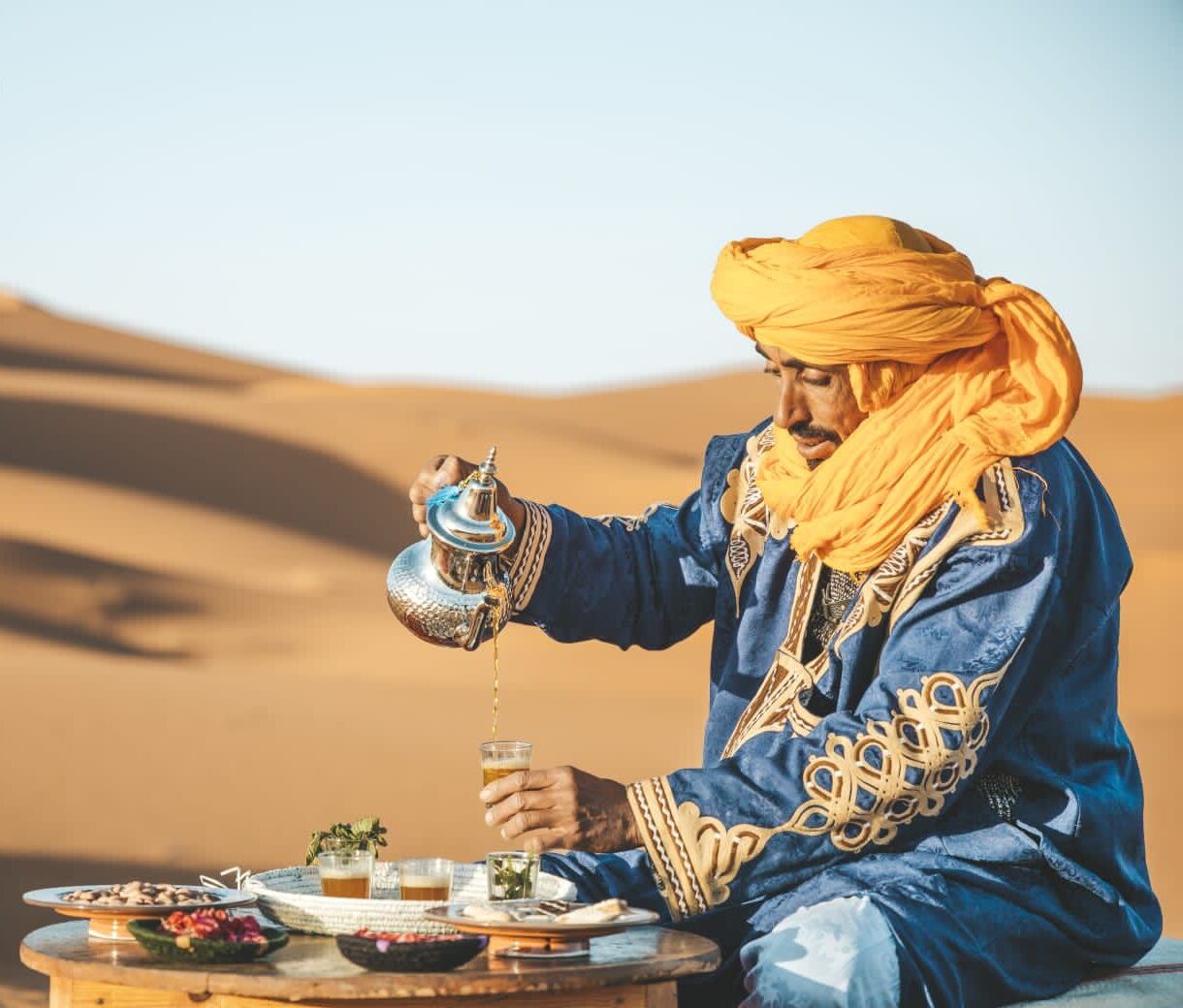
Your actual camp arrival typically happens in late afternoon. A staff member greets you warmly, often with traditional mint tea and a basin of water to wash your feet and hands—a meaningful gesture of Berber hospitality. You'll be shown to your accommodation, given a brief orientation about meal times and activities, and have time to settle in before sunset. This is intentional; camps schedule activities around the golden light of sunset and sunrise, which are the most photogenic and comfortable times for desert exploration.
Accommodation: Where You'll Sleep
One of the most common questions travelers ask is about sleeping arrangements. Let me be honest about what to expect.
Traditional Berber Tents
Most Merzouga desert camps, including Original Desert Camp, offer guests the opportunity to sleep in authentic Berber tents. These are traditionally designed structures made from canvas and supported by wooden frames. Inside, you'll find mattresses, blankets, and pillows—this isn't roughing it in the way a winter camping expedition might be.
The tents are surprisingly comfortable and warm. Multiple heavy blankets, combined with the natural insulation of canvas, keep you cozy even when nighttime temperatures drop. However, if you're someone who's sensitive to cold, bring thermal layers or request extra blankets in advance.
The canvas does allow some light through at dawn, which means early mornings will have a gentle glow rather than complete darkness—many guests find this naturally helps with jet lag and waking for sunrise activities.
En-Suite Facilities
Modern desert camps understand that most international travelers expect certain conveniences. Original Desert Camp and similar establishments provide private bathrooms with hot water, flushing toilets, and sometimes even showers within your tent or immediately adjacent. The water is heated using solar panels and generators, so hot showers are genuinely available—though they're typically scheduled for specific times to manage water resources sustainably.
It's important to manage expectations here: these aren't luxurious spa bathrooms. They're functional, clean, and adequate. If you require extensive privacy, extreme luxury, or are uncomfortable with basic but adequate facilities, a traditional desert camp might not suit you perfectly.
Accommodations for Different Comfort Levels
Recognizing that travelers have different comfort needs, many camps offer tiered options. Some provide basic tent accommodation with shared facilities, while others offer upgraded tents with en-suite bathrooms. Some camps have begun adding small fixed structures that offer more insulation and privacy while maintaining the desert aesthetic. Discuss your comfort requirements when booking—the camps want you to genuinely enjoy your stay, and they'll work with you to find the right fit.
A Day at the Desert Camp: The Real Schedule
Let me walk you through what a typical day actually looks like, which will help you understand how to pace yourself and what to prioritize.
Early Morning: The Sunrise
Around 5:30-6:00 AM, before most guests are naturally awake, staff quietly make the rounds offering hot coffee or tea and fresh bread. This is your chance to wake gently and caffeinate before the day's adventure.
The sunrise excursion is genuinely worth waking early for. You'll ride camels out to a vantage point on the dunes, arriving just as the sun breaks the horizon, painting the sand in oranges, pinks, and golds. This is not a small moment—it's the kind of experience that sticks with you.
Pro tip: The morning is significantly cooler and more comfortable for camel riding than any other time. Bring a light jacket and definitely bring sunscreen and sunglasses, as the low sun reflecting off sand creates intense glare.
Breakfast
By 7:30-8:00 AM, you're back at camp for breakfast. Expect a spread of fresh bread, jam, cheese, eggs (prepared however you like), fresh fruit, yogurt, and hot beverages. Breakfast is substantial because it needs to sustain you through a full day in the heat.
Midday Rest
Between roughly 10 AM and 4 PM, most camps build in a long rest period. This isn't laziness—it's necessity. The heat during midday is intense and genuine exertion in those temperatures is uncomfortable and potentially unsafe. You'll retreat to your tent with books, journaling materials, or simply rest. The camp might arrange a lunch—usually a tagine or couscous dish—served in the shelter of a Berber tent's shaded area.
This downtime is actually valuable. It forces you to slow down, disconnect from constant activity, and experience the quiet, contemplative side of desert living. Many guests find this period surprisingly restorative.
Afternoon Activities and Exploration
From 4:00 PM onward, the temperature becomes manageable again. This is when camps often arrange activities like:
- Sand boarding or sledding down dune faces (genuine fun, surprisingly strenuous)
- Guided walks through the dunes with interesting interpretations of desert geology and culture
- Photography sessions at particularly photogenic locations
- Free time to explore independently (though guides usually recommend this in pairs for safety)
Dinner and Evening Entertainment
Dinner typically begins around 7:30 or 8:00 PM, after the heat of the day has fully dissipated. The meal is served in a common tent and is genuinely good—usually a multi-course Moroccan dinner featuring tagines, salads, couscous, and fresh bread. Vegetarian and dietary accommodations are available with advance notice.
After dinner, the real magic happens. Guests and staff gather around a fire (or in warmer months, simply under the stars). A guide might tell stories about Berber culture, musicians might play traditional instruments like the oud or bendir drum, or there might be traditional singing and storytelling. Sometimes guests simply sit in companionable silence, overwhelmed by the sheer beauty of the star-filled sky.
This is genuinely one of those moments that justifies the entire trip. The Sahara's location far from light pollution means stars are visible in a way most people have never experienced. The Milky Way is stunningly visible, and on clear nights, you can see thousands of stars. If you have any interest in astronomy or simply appreciate natural beauty, this evening experience is extraordinary.
Late Night and Sleep
By 10:30 or 11:00 PM, most guests head to their tents. It's quiet, dark (except for the starlight), and often surprisingly peaceful. Some people fall asleep easily; others take time to adjust to the unusual sounds and experiences of the desert at night.
Activities and Experiences
Beyond the structured schedule, here's what you can actually do at a Merzouga desert camp.
Camel Trekking
This is the signature activity, and it's worth discussing honestly. Camel riding is genuinely fun and provides a perspective on the desert you can't get any other way. However, it's also:
- Physically demanding if you're not accustomed to it. The rocking motion and unfamiliar posture can leave you sore.
- Best enjoyed in shorter sessions (2-3 hours) rather than marathon treks unless you're an experienced rider.
- Dependent on the individual camel. Most are gentle, but they do have personalities and occasionally stubbornness.
Experienced guides match camels to riders and truly do care about both camel and human comfort. If you have any physical limitations, absolutely communicate them beforehand.
Dune Exploration on Foot
Walking the dunes on foot is harder than it looks—the sand shifts under your feet and climbing a high dune is genuinely strenuous. But it's also deeply rewarding. The silence, the solitude, and the perspective of standing atop a 100-meter-tall sand mountain are powerful.
Photography and Landscapes
If you're interested in photography, Merzouga is paradise. The light quality, the colors, the textures of sand, and the interplay of light and shadow create endless photographic opportunities. Sunrise and sunset are peak times, but even the midday harsh light creates dramatic contrasts for certain styles of photography.
Cultural Interaction
Many camps, including Original Desert Camp, facilitate genuine interaction with Berber guides and staff. You can learn about traditional desert living, Berber culture, and the history of the region. This might include learning about traditional cooking methods, understanding how Berber people have survived in the Sahara for centuries, or hearing personal stories from your guides.
Be respectful of these interactions—these are real people sharing their lives and culture, not performers. Approach with genuine curiosity and respect rather than an attitude of tourism.
Stargazing
If you have even passing interest in the night sky, bring a star chart or download a stargazing app. The clarity of the sky is remarkable, and identifying constellations, planets, and even the International Space Station passing overhead is genuinely possible and wonderful.
Food and Dining
Food is an underrated part of the desert camp experience, and it deserves discussion.
Moroccan Cuisine in the Desert
Expect authentic Moroccan food prepared fresh daily. Tagines (slow-cooked stews with meat or vegetables), couscous, fresh bread baked in traditional ovens, and flavorful salads are staples. The food is filling, delicious, and often surprisingly sophisticated.
Dietary Considerations
If you have dietary restrictions—vegetarian, vegan, gluten-free, allergies—communicate clearly when booking. Camps will accommodate these needs with advance notice. In my experience, they take this seriously and will work with you to ensure your meals are both safe and enjoyable. The kitchen staff are skilled at adapting traditional recipes to meet various dietary requirements.
Tea and Hospitality
Mint tea is offered throughout the day—it's refreshing, a cultural cornerstone, and the perfect companion to the desert landscape. Accept these offerings when presented; they're expressions of genuine hospitality. Coffee is also available if tea isn't your preference.
Meals as Social Moments
Dining at the camp is communal and unhurried. Meals become moments of connection—with other guests, with staff, and with the place itself. There's no rushing through dinner to get to the next scheduled activity. Savor this pace.
Final Thoughts
A stay at Original Desert Camp is about more than checking boxes on a travel itinerary—it's about presence. Whether you're watching the sunrise paint the dunes gold, sharing tea with a Berber family, or simply sitting in silence under a sky full of stars, these moments accumulate into something meaningful. Come prepared, come curious, and come ready to let the desert change your perspective in ways you might not expect.