
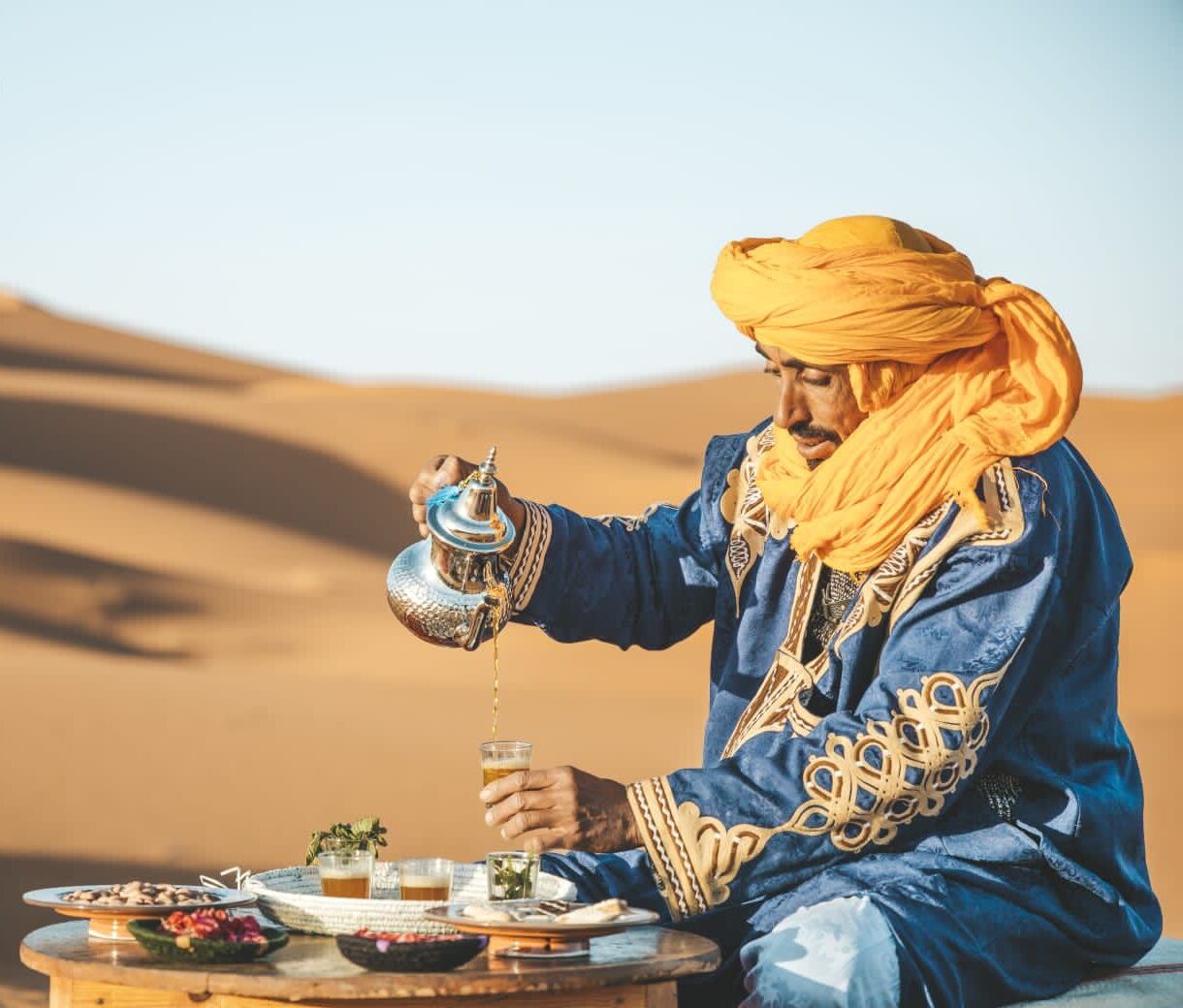
Merzouga Desert Camp in Winter: Cold Nights and Perfect Days
When most travelers think of desert camping, they imagine scorching sand dunes and relentless heat. But the Sahara in winter tells a completely different story—one of crystalline skies, comfortable daytime temperatures, and nights so clear you'll swear you can touch the stars. If you're considering a Merzouga desert camp experience during the cooler months, you're in for something truly special.
Winter transforms the Sahara into one of Morocco's most alluring destinations. The overwhelming heat that characterizes summer months gives way to pleasant days and brisk nights that make outdoor exploration genuinely enjoyable. Whether you're trekking across Erg Chebbi's golden dunes, sitting around a traditional fire, or gazing up at the Milky Way from your tent, winter offers an unmatched desert experience.
In this comprehensive guide, we'll explore everything you need to know about visiting a Merzouga desert camp during winter—from temperature expectations and what to pack, to the best activities and why this season deserves a place on your travel itinerary.
Why Winter Is the Perfect Season for Merzouga
The Temperature Sweet Spot
The most compelling reason to visit a Merzouga camp in winter is the weather. While summer temperatures regularly exceed 45°C (113°F), winter daytime temperatures hover comfortably between 15-25°C (59-77°F). This dramatic difference transforms the desert experience from endurance test to pure pleasure.
During the day, you can explore the dunes without feeling like you're being slowly roasted. The sun is warm on your skin, but manageable. You won't need to hide inside your tent during peak hours or limit your activities to early morning and evening. Instead, you have full days to wander, photograph, and simply absorb the landscape.
The nights are what make winter particularly memorable. Temperatures can drop to 5-10°C (41-50°F), sometimes lower in the remote parts of Erg Chebbi. While this might sound chilly, it's actually ideal for desert camping. The cool air makes sleeping comfortable, and it brings the stars into stunning focus.
Exceptional Clarity and Visibility
Winter's cooler temperatures mean less atmospheric haze. The air is crisp and clear, offering visibility that summer simply can't match. This matters tremendously if you're hoping to catch sunrise or sunset over the dunes—the colors are more vivid, and the light has a quality that photographers dream about.
The night sky is equally extraordinary. With minimal light pollution at Erg Chebbi and less dust in the air, the Milky Way appears almost three-dimensional. Constellations you've only read about become visible. It's the kind of experience that makes you understand why ancient desert cultures were such accomplished astronomers.
Fewer Tourists, More Authenticity
Peak season for Merzouga camps runs roughly from October through April, but the busiest periods are November through February. Even during these months, however, you'll encounter significantly fewer tourists than in summer. If you visit in shoulder seasons (late September or early May), you might have entire sections of the dunes virtually to yourself.
Fewer tourists means better access to camp staff, more flexible activity schedules, and a more authentic encounter with Berber culture. The guides aren't rushing through explanations to accommodate another group. The musicians around the evening campfire aren't performing their fifth show of the day.
Understanding Winter Conditions at Erg Chebbi
What the Cold Actually Feels Like
If you've never experienced desert cold, it might surprise you. Saharan desert nights are different from cold nights in other environments. There's typically no wind (or minimal wind), and the air is incredibly dry. This means the cold feels sharp and penetrating rather than bone-chilling. A proper sleeping bag and adequate layers make a substantial difference.
During the day, the sun provides considerable warmth. If you're standing in direct sunlight wearing a light jacket, you might feel quite warm. Move into the shade, however, or wait until late afternoon, and you'll definitely need that jacket.
The temperature differential between sun and shade is one of winter's defining characteristics. This is why Original Desert Camp and other quality operations provide heated tents and quality bedding—they understand that comfort depends on preparation, not just luck.
Rare Weather Phenomena
Winter occasionally brings unexpected weather to the Sahara. Light rain, while uncommon, does happen. Snow is extremely rare at Erg Chebbi itself, though it's been documented. More commonly, you might encounter strong winds that kick up dust, reducing visibility temporarily.
These weather events are usually brief and shouldn't discourage you from planning a winter visit. They actually add to the adventure and provide perspective on how harsh the desert can be. Quality camps handle these situations with practiced ease, having invested in proper infrastructure and trained staff.
Humidity Variations
Winter brings slightly higher humidity levels than summer—a relative term in the Sahara. You might notice this particularly in the mornings, when dew occasionally forms. This doesn't create the muggy discomfort of summer; rather, it adds a fresh, clean quality to the morning air.
What to Pack for a Winter Merzouga Camp Experience
Clothing Essentials
Proper clothing is genuinely important for winter desert camping comfort. The key is layering—you need flexibility to adjust as temperatures change throughout the day.
Must-have items:
- Warm jacket or fleece: Something insulating but packable. You'll wear this during early mornings, late afternoons, and evenings
- Long-sleeved shirts and pants: These protect against sun and provide warmth; lighter weight versions work for daytime
- Warm hat or beanie: Surprisingly important for evening comfort and sun protection during the day
- Gloves: Lightweight versions are sufficient for most winter visits
- Warm socks and sturdy boots: Essential for dune walking; thick wool socks are worth their weight
- Scarf or neck gaiter: Versatile for warmth and sun protection
- Lighter clothing: T-shirts and shorts for midday when temperatures warm up
Bedding and Sleep System
This is where your comfort truly depends on the camp's quality. Original Desert Camp and similar quality operations provide heated tents with proper bedding, but understanding what "proper" means helps you prepare.
A winter Merzouga camp stay should include:
- Insulated tent with heating capabilities
- Quality mattress or mattress topper
- Multiple blankets or a warm duvet
- Warm pillows
If you're considering a more basic camp experience, you'll want to bring a high-quality sleeping bag rated for 5°C (41°F) or lower. A sleeping bag liner provides additional insulation and can be the difference between comfortable sleep and a long cold night.
Protection Items
- Sunscreen: Desert sun is intense year-round; winter visitors often underestimate this
- Lip balm with SPF: Essential in the dry desert air
- Moisturizer: Winter desert air is extremely drying to skin
- Sunglasses: The glare off white sand is intense
- Camera or phone with good low-light capability: You'll want to capture the night sky
Additional Comfort Items
- Thermal underwear: Optional but appreciated if you're cold-sensitive
- Hand warmers: Small, reusable ones can be nice for evening comfort
- Water bottle: Stay hydrated despite cooler temperatures
- Toiletries suited to dry climate: Avoid harsh soaps that worsen dryness
Activities and Experiences in Winter
Camel Trekking Across the Dunes
Winter is genuinely the best season for camel trekking. The cooler temperatures mean both you and the camels are comfortable for longer periods. A typical trek might cover 10-15 kilometers without the grueling heat that characterizes summer.
Most camps, including Original Desert Camp, offer sunrise treks that depart before dawn. You'll climb to a high dune just as the sun breaks the horizon, painting the entire landscape in shades of orange, gold, and red. The moment the sun clears the horizon and warmth hits your face is transcendent.
Evening treks are equally magical. You'll return to camp as the sun sets, watching the temperature drop and the shadows deepen. The dunes take on a sculptural quality in the slanting light.
Exploring on Foot
Winter temperatures make walking across the dunes genuinely enjoyable. Many visitors underestimate how much they'll want to simply wander and explore. Without the pressure of extreme heat, you can spend hours noticing details—the texture of sand grains, the varieties of desert plants, tracks left by nocturnal creatures.
Some camps offer guided walking tours that include lessons about desert ecology and traditional Berber navigation techniques. Others encourage independent exploration from your camp. Both approaches offer value depending on your interests.
Photography and Landscape Appreciation
Winter's clear air and dramatic lighting make it paradise for photographers. Whether you're using a professional camera or just your phone, you'll be amazed at the quality of images you capture.
The hour after sunrise and the hour before sunset (often called golden hour) produce particularly stunning light. If you're at Original Desert Camp or a similar quality operation, you can plan your schedule around these optimal times without worrying about crowds.
Evening Entertainment and Cultural Experiences
Winter evenings gather around the campfire early—by 7 or 8 PM—when temperatures drop. This creates authentic social atmosphere. You'll sit with other guests, wrapped in blankets, while camp staff prepare traditional Berber cuisine.
Many camps feature traditional Gnaoua musicians or other performers in the evenings. These aren't necessarily staged performances; they're cultural practitioners sharing their heritage. The combination of firelight, starlight, and music creates an atmosphere that feels removed from the modern world.
Stargazing
Winter nights' clarity makes stargazing spectacular. If your camp location is sufficiently remote—as Erg Chebbi typically is—light pollution is minimal. You can see the Milky Way stretching across the sky like a luminous river.
Some camps partner with amateur astronomers or provide telescopes. If you're serious about stargazing, mention this interest when booking. You might arrange for a more guided experience, or you might simply find solitude and wonder looking upward.
The Reality of Heated Tents and Camp Comfort
What Heated Tents Provide
A quality Merzouga camp winter experience includes heated tents—and this detail matters more than you might think. "Heated" typically means one of several approaches:
- Electric heaters: Increasingly common at camps with generator power
- Wood-burning stoves: Traditional approach that provides both heat and ambiance
- Gas heaters: Efficient and commonly used in quality camps
- Thermal insulation plus quality bedding: Sometimes described as "heated" but actually relies on good insulation and layers
Original Desert Camp uses quality heating methods that ensure guest comfort without compromising the authentic desert experience. The tents remain part of the Sahara experience—you can still hear wind, observe weather, and feel the environment—but you sleep comfortably.
Beyond Just Heat
Quality camps understand that winter comfort involves more than just temperature control. Heated tents at better-managed camps include:
- Solid flooring (carpet or wood) rather than just sand
- Proper bedding with quality mattresses
- Ventilation to prevent condensation
- Lighting for evening comfort
- Sometimes attached bathrooms with hot water
These amenities transform your overnight experience from "roughing it" to "camping in comfort."
Managing Expectations
It's important to approach winter desert camping with realistic expectations. Even in a heated tent, you're still in the desert. Morning air is cold when you first emerge. The shower (if available) might be a quick affair. There's limited electricity for devices.
But these limitations are part of what makes the experience valuable. You're not isolated from your surroundings; you're simply navigating them sensibly. Guests who embrace this find it incredibly rewarding.
Practical Tips for Winter Desert Camping
Book Well in Advance
Winter is peak season. Quality camps like Original Desert Camp fill up weeks or months in advance. If you have specific dates in mind—particularly December through February—book early.
Arrive Rested
Merzouga sits approximately 465 kilometers southeast of Fez and requires significant travel time. Most visitors arrive after long drives. Try to arrive rested so you can genuinely enjoy your first evening and next morning rather than just recovering from travel fatigue.
Communicate Your Comfort Needs
When booking, mention if you're cold-sensitive or have any specific comfort requirements. Quality camps will work with you to ensure a good experience. If you're unsure about sleeping in a tent despite heating, discuss this. Camps might offer alternatives or additional preparation.
Bring Cash in Small Denominations
While major camps accept cards, having Moroccan dirhams in small bills is helpful for tips and small purchases in the surrounding villages and local interactions with Berber guides and staff.
Pack Layers, Not Bulk
The key to winter desert comfort is layering. Bring thermal base layers, sweaters, and a good jacket rather than one bulky coat. Layers allow you to adjust throughout the day as temperatures shift dramatically between sun and shade.
Plan Activities Around Daylight
Winter days are shorter. Plan your camel trekking, desert walks, and exploration for mid-morning through late afternoon when the sun provides both warmth and optimal light for photography. Evening stargazing remains spectacular—the cold, clear air offers some of the best visibility of the year.
Embrace the Quiet
Winter brings fewer tourists. The desert feels more authentic, less crowded. Use this solitude to truly connect with the landscape and Berber culture rather than rushing through experiences.
Final Thoughts
Winter camping in Merzouga offers something rare: a chance to experience the Sahara on your own terms, without the summer crowds or extreme heat. Yes, it requires more planning and a willingness to embrace mild discomfort, but the rewards—crisp desert air, brilliant starscapes, and genuine cultural connections—make it absolutely worthwhile. Original Desert Camp is ideally positioned to make your winter desert adventure comfortable and unforgettable. The key is arriving prepared, mentally ready, and open to one of Morocco's most transformative experiences.