
Merzouga Desert Nomad Camp: Following the Berber Nomadic Way of Life
The Sahara Desert holds one of the world's most captivating yet increasingly rare ways of life: the Berber nomadic tradition. For centuries, the Berber people have traversed the endless golden dunes of Morocco's Erg Chebbi, near the town of Merzouga, moving with their herds and living in harmony with one of Earth's most challenging environments. Today, visitors from around the world seek to understand and experience this unique culture, and a stay at a Merzouga nomad camp offers an authentic window into this extraordinary lifestyle.
Unlike typical tourist hotels or resorts, a genuine Merzouga desert camp nomad palace or traditional Berber camp provides visitors with an opportunity to step back in time and experience the values, traditions, and daily rhythms that have defined the Berber people for millennia. This comprehensive guide explores the nomadic way of life, what you can expect when staying at a Merzouga desert camp, and how to make the most of this transformative experience.
Understanding Berber Nomadic Culture
The History and Heritage of Berber Nomads
The Berber people, also known as Amazigh, have inhabited North Africa for thousands of years. In the Sahara, particularly around regions like Merzouga and the Erg Chebbi dunes, Berber nomads developed a sophisticated system of living that allowed them to not just survive, but thrive in one of the planet's harshest environments. Their deep knowledge of desert navigation, water sources, animal husbandry, and trade routes made them essential players in the historic trans-Saharan trade networks that connected Africa, Arabia, and Europe for centuries.
The nomadic lifestyle wasn't simply a matter of wandering aimlessly across the desert. Rather, Berber nomads followed carefully planned migration routes that took them to different pastures depending on the season. They understood the subtle signs of the desert—the behavior of animals, the color of the sky, the temperature changes—and used this knowledge to make crucial decisions about where to move their camps and when to travel.
Today, while modernization has changed many aspects of Berber life, the cultural values and traditions that sustained nomadic communities remain central to Berber identity. Hospitality, resilience, family bonds, and respect for the natural world are still paramount virtues.
Traditional Values and Daily Life
Berber nomadic culture places tremendous emphasis on community and family. Within a traditional camp, decisions were made collectively, and everyone had a role to play—from herding animals to preparing food, crafting goods, and maintaining the encampment. This interdependence created strong bonds and a deep sense of shared purpose.
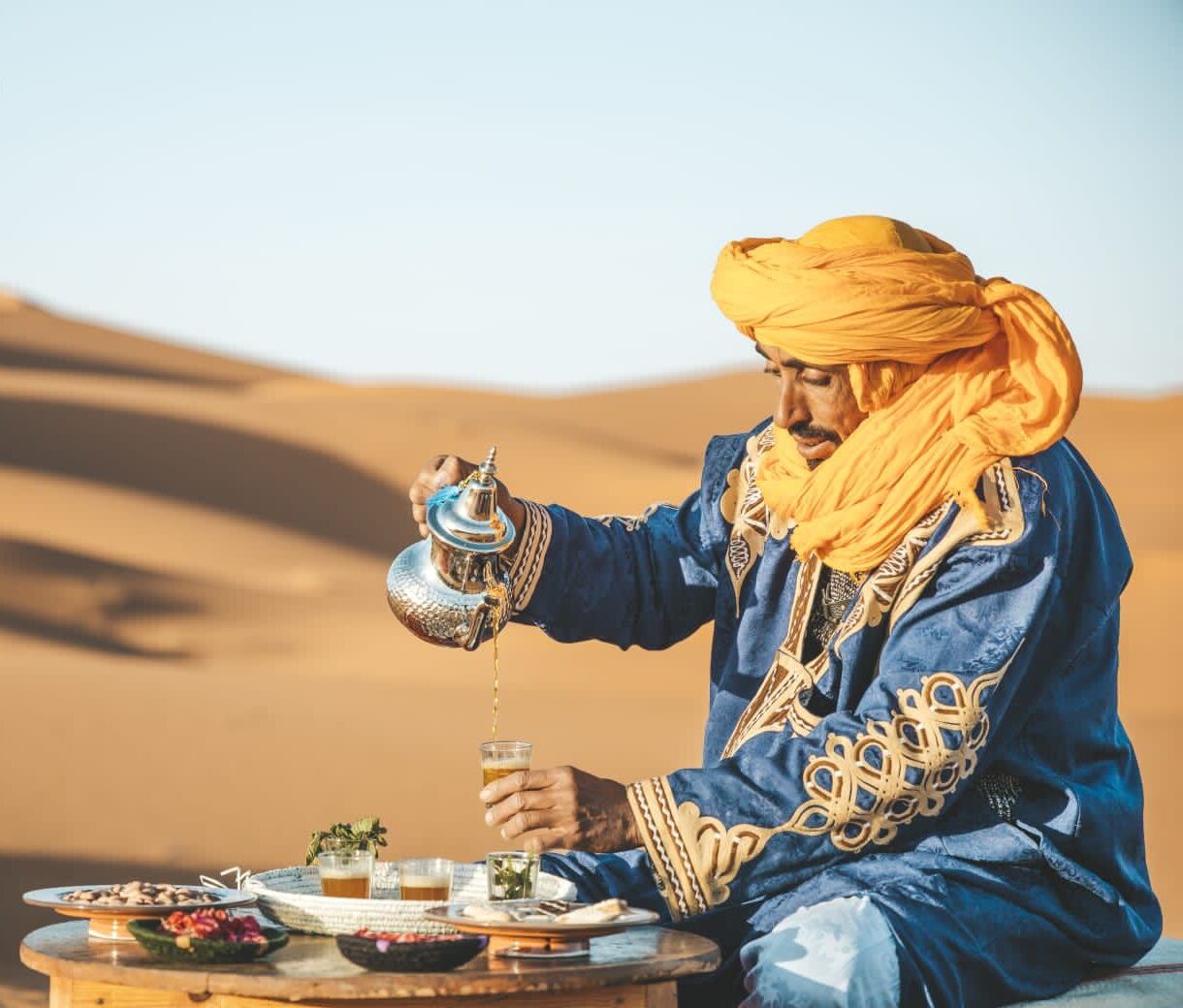
Hospitality is another cornerstone value. Berber nomads are renowned for their generosity toward visitors and travelers. The tradition of offering tea and food to guests is sacred, reflecting a belief that providing for others is a fundamental moral obligation. This spirit of welcome continues today at authentic camps like Original Desert Camp, where guests are treated not as mere customers but as honored visitors.
The connection to animals—particularly camels, goats, and sheep—has always been central to Berber nomadic identity. These animals provided not just sustenance but also transportation, clothing materials, and trade goods. A family's wealth and status were often measured by the size of their herds, and caring for animals was a responsibility shared across generations.
The Merzouga Desert Landscape and Its Significance
Erg Chebbi: The Jewel of the Sahara
Merzouga is a small town situated near Erg Chebbi, one of the most spectacular sand seas in the entire Sahara. Erg Chebbi consists of enormous dunes—some reaching over 160 meters in height—that stretch across approximately 200 square kilometers. These towering formations create an otherworldly landscape that seems almost alien in its vastness and beauty.
The name "erg" itself comes from the Berber language and refers to a sea of sand. Erg Chebbi is particularly special because of its dramatic dune formations, which change color throughout the day—from brilliant gold in the morning, to deep orange and red at sunset, to a mysterious blue-gray under moonlight. This constant transformation makes the landscape endlessly fascinating to visitors and has inspired poets, artists, and adventurers for generations.
For Berber nomads, Erg Chebbi represented both opportunity and challenge. The dunes provided natural barriers that protected caravans from raiders, and the sparse vegetation around the edges of the erg could sustain herds during certain seasons. The proximity to the town of Merzouga, with its access to water and trading opportunities, made the region strategically important.
Climate and Seasonal Patterns
The Sahara around Merzouga experiences extreme temperature variations. During the day, temperatures can soar above 45°C (113°F), while nights can drop dramatically, sometimes reaching near-freezing temperatures. This knowledge of temperature patterns was crucial to nomadic survival—camps were positioned and activities timed to work with these natural rhythms rather than against them.
Rainfall is minimal and unpredictable, making water sources precious. Nomads knew the locations of hidden wells and underground water reserves that tourists and casual visitors would never discover on their own. These water sources were often jealously guarded secrets, passed down through generations within families and tribes.
The seasonal changes determined migration patterns. During summer, when southern pastures dried up, nomads moved north toward better grazing lands. When winter arrived and northern areas became less hospitable, the cycle reversed. This annual migration was not random—it followed a pattern refined over centuries to maximize survival and prosperity.
What to Expect at a Merzouga Nomads Camp
Authentic Camp Accommodations
A genuine Merzouga desert camp nomad palace or traditional Berber camp differs significantly from luxury hotels. These camps typically feature traditional Berber tents called "khayma" or "azri," which are constructed from woven camel hair and canvas. Despite their traditional construction, many modern camps like Original Desert Camp combine authentic design with contemporary comfort—offering heated blankets, quality mattresses, and en-suite facilities that allow visitors to experience the aesthetic and spirit of nomadic life without sacrificing basic amenities.
The layout of the camp reflects traditional nomadic organization. Tents are arranged in a circle or semi-circle, creating a communal center where guests gather for meals, conversation, and evening entertainment. This arrangement served practical purposes in traditional camps—it protected livestock from predators and provided a secure space for the community. Today, it creates an intimate atmosphere that encourages connection among guests.
Daily Rhythms and Activities
Life at a Merzouga desert camp follows natural rhythms quite different from modern urban life. Mornings begin early, often before sunrise, when the air is cool and clear. Many camps organize camel treks at this hour, taking guests out across the dunes to experience the desert's quiet majesty as the day awakens.
Breakfast is typically a hearty affair featuring bread, dates, cheese, honey, and fresh mint tea—foods that sustained nomadic peoples for centuries. The food served at authentic camps draws on Berber culinary traditions, with dishes like tagine (a slow-cooked stew named after the conical pot it's cooked in), couscous, and berbere-spiced preparations.
Midday usually involves rest and relaxation, as the intense heat makes extended activity uncomfortable. Guests might rest in their tents, read, or engage in workshops where they learn traditional crafts like carpet weaving or henna application. These hands-on experiences provide insight into skills that Berber women have practiced for generations.
Afternoons might include visits to nearby Berber villages, meetings with local families, or sand-boarding down dunes. As evening approaches, the light transforms the landscape into a palette of warm colors, and many guests venture out for sunset viewing—one of the most magical moments in the desert.
Evenings are when the camp truly comes alive. After dinner—often another traditional Berber meal—guests gather around fires or in common areas for entertainment. Traditional Berber music, played on instruments like the oud and bendir drum, fills the night air. Stories are shared, and visitors have the opportunity to learn about nomadic history, desert survival, and contemporary Berber life directly from hosts and guides who have lived this lifestyle.
Cultural Immersion Opportunities
The best Merzouga nomad camps, including Original Desert Camp, offer genuine cultural immersion rather than mere sightseeing. This might include:
Camel Herding: Guests can participate in the actual work of caring for and herding camels, learning the techniques that nomadic families have used for centuries. This provides both practical knowledge and deep respect for the skill involved in animal husbandry.
Traditional Cooking: Workshops where guests help prepare traditional meals over open fires, learning the techniques and ingredients central to Berber cuisine. This hands-on experience creates authentic memories and understanding.
Berber Language and Communication: Many camps offer basic lessons in Tamazight, the Berber language, allowing visitors to engage more directly with Berber hosts and understand the linguistic richness of the culture.
Craft Workshops: Learning traditional crafts like carpet weaving, leather working, or henna application provides insight into the artistic traditions and economic practices of Berber communities.
Village Visits: Organized visits to nearby Berber villages allow guests to interact with local families in their homes, see how modern Berber families live today, and understand the contemporary context of nomadic culture.
The Evolution of Nomadic Life: Past and Present
How Nomadic Life Has Changed
It's important to acknowledge that the traditional nomadic lifestyle depicted in historical accounts has undergone significant transformation. Modern roads, vehicles, and economic pressures have altered migration patterns. Many Berber families have settled in towns like Merzouga, though they maintain cultural connections to nomadic heritage. Some families practice a semi-nomadic lifestyle, splitting time between settled homes and seasonal camps.
These changes aren't necessarily negative—they reflect human adaptation and the practical realities of survival in the modern world. Young Berber people often pursue education and employment opportunities that previous generations couldn't access. At the same time, many communities actively work to preserve their cultural heritage, recognizing its value not just for tourists but for their own identity and continuity.
Sustainable Tourism and Cultural Preservation
Responsible tourism at places like Original Desert Camp can actually support the preservation of Berber culture. When camps employ local guides, source food from local producers, and ensure that a significant portion of tourism revenue benefits the community, they create economic incentives for maintaining cultural traditions. Tourists who spend money at authentic camps contribute to local economies in ways that encourage younger generations to value and continue traditional practices.
The challenge lies in ensuring that tourism remains authentic and beneficial rather than transformative in negative ways. The best camps maintain high standards of cultural respect, employ local staff, limit group sizes to maintain intimacy, and prioritize guest education over mere entertainment.
Planning Your Merzouga Desert Camp Experience
Best Time to Visit
The ideal time to visit Merzouga and experience life at a desert camp is between October and April, when temperatures are moderate and the desert climate is most comfortable for visitors. Summer months (June-August) are extremely hot and potentially dangerous for inexperienced desert travelers, though some hardy visitors do venture out during these times.
Each season offers different experiences. Autumn (October-November) features pleasant temperatures and the end of summer herding season. Winter (December-February) brings cool nights and clear skies perfect for stargazing. Spring (March-April) shows the desert beginning to bloom with seasonal vegetation.
What to Pack
Packing appropriately is crucial for comfort at a desert camp. Essential items include:
- Protective clothing: Lightweight, loose-fitting clothes that cover skin to protect from sun, wind, and sand
- Footwear: Sturdy hiking boots for dunes and village visits, plus sandals for camp relaxation
- Sun protection: High SPF sunscreen, sunglasses, and a hat or head covering
- Layers: Nights can be surprisingly cool, especially from November through February
- Personal care items: Lip balm, moisturizer, and any medications (pharmacies in Merzouga are limited)
- Respectful attire: Conservative clothing is appropriate when visiting villages
Duration and Itinerary Considerations
Most Merzouga desert camp experiences span 2-4 days, allowing enough time for acclimatization, multiple activities, and genuine cultural connection. A three-day program typically includes a camel trek to the dunes, a sunset experience, evening entertainment, village visits, and potentially a sunrise excursion before departure.
Longer stays allow for deeper immersion—additional workshops, visits to multiple villages, and more extensive conversations with hosts. First-time visitors often find that three days provides the optimal balance between experiencing authentic desert life and avoiding desert fatigue.
Original Desert Camp: Your Gateway to Nomadic Experience
Original Desert Camp exemplifies the finest in authentic Merzouga hospitality. Our meticulously designed accommodations blend traditional Berber aesthetics with modern comfort, ensuring that your nights under the stars remain memorable for all the right reasons. Each guest receives personalized attention from our experienced team, who understand that a truly transformative desert experience requires both cultural authenticity and attentive service.
Our curated itineraries are designed by those who know these lands intimately. Whether you're seeking solitude for reflection, adventure across the dunes, or meaningful connections with Berber families, we tailor each experience to your preferences. From our expert guides who navigate the Erg Chebbi's ever-shifting landscape to our kitchen team preparing traditional tagines, every detail reflects our commitment to excellence.
Booking your stay at Original Desert Camp means investing in memories that will resonate long after you've returned to everyday life. You'll leave not just with photographs, but with a genuine understanding of desert culture, newfound friendships, and perhaps a piece of the Sahara's timeless magic in your heart.
Final Thoughts
A journey to Merzouga's desert is more than a vacation—it's a passage into a world where time moves differently and connections run deeper. By preparing thoughtfully and choosing an authentic camp experience, you ensure that every moment counts. Original Desert Camp stands ready to welcome you into this extraordinary landscape, where the Sahara's ancient rhythms and warm hospitality create memories that last a lifetime.