
Merzouga Family Desert Camp: The Best Experience for Families
Planning a family vacation to Morocco that goes beyond the typical beach resort or city tour? A desert experience in Merzouga might be exactly what your family needs. The Sahara Desert, particularly the stunning Erg Chebbi dunes near Merzouga, offers an unforgettable adventure that captivates visitors of all ages. Unlike many destinations that struggle to accommodate families with diverse interests, a well-organized Merzouga family desert camp creates magical memories while keeping everyone comfortable and entertained.
In this comprehensive guide, we'll explore why Merzouga is an excellent family destination, what to expect during your stay, and how to choose the right camp that caters to families. Whether you're traveling with toddlers, teenagers, or a mix of ages, there's something genuinely special about sleeping under the stars and discovering one of the world's most iconic landscapes together as a family.
Why Merzouga is Perfect for Family Adventures
The Unique Appeal of the Sahara Desert
The Sahara Desert holds an almost mythical quality in the imagination of travelers worldwide. For families, this famous landscape offers far more than just stunning photographs—it provides a genuine educational experience that textbooks simply cannot deliver. When your children stand atop a 300-foot sand dune watching the sunrise paint the desert in shades of orange and pink, they're experiencing geography, geology, and natural beauty in ways that create lasting impressions.
Merzouga, a small town in southeastern Morocco, sits at the edge of the Erg Chebbi dune field, one of the most visually spectacular parts of the Sahara. The dunes here reach heights of up to 500 meters, creating a dramatic landscape that looks almost otherworldly. For families, this means breathtaking views, accessible adventure, and the rare opportunity to disconnect from screens and reconnect with each other in an extraordinary setting.
Age-Appropriate Activities for Everyone
One of the most significant advantages of a Merzouga family camp experience is the range of activities suitable for different age groups. Young children can enjoy camel rides across the dunes at a relaxed pace, while teenagers can challenge themselves with sandboarding or longer trekking adventures. Parents get to participate alongside their kids rather than sitting on the sidelines, which fundamentally changes the family dynamic during vacation.
The beauty of desert activities is that they're inherently inclusive. A three-year-old riding a camel alongside a fifteen-year-old creates shared experiences that strengthen family bonds. Everyone moves at the rhythm of the desert rather than fighting against schedules and timelines.
Safety and Accessibility
Parents often worry about safety when traveling to unfamiliar destinations, especially with children. The good news is that Merzouga and the surrounding desert area is exceptionally safe for tourists. Crime against visitors is virtually non-existent, and the main risks—sun exposure and dehydration—are easily managed with proper preparation.
Most family-friendly camps in Merzouga, including Original Desert Camp, are designed with guest safety as a priority. Experienced guides who work with families understand how to pace activities appropriately, provide adequate shade and water, and watch out for the specific needs of younger travelers.
Understanding the Merzouga Camp with Kids Experience
What to Expect During Your Stay
A typical Merzouga family desert camp experience follows a wonderful rhythm that feels like a departure from ordinary life. Most guests arrive in Merzouga after driving from other parts of Morocco—typically from Fes or Meknes, which are about 7-9 hours away. This journey itself becomes part of the adventure, as families travel through changing landscapes, from mountainous terrain to the gradually flattening desert.
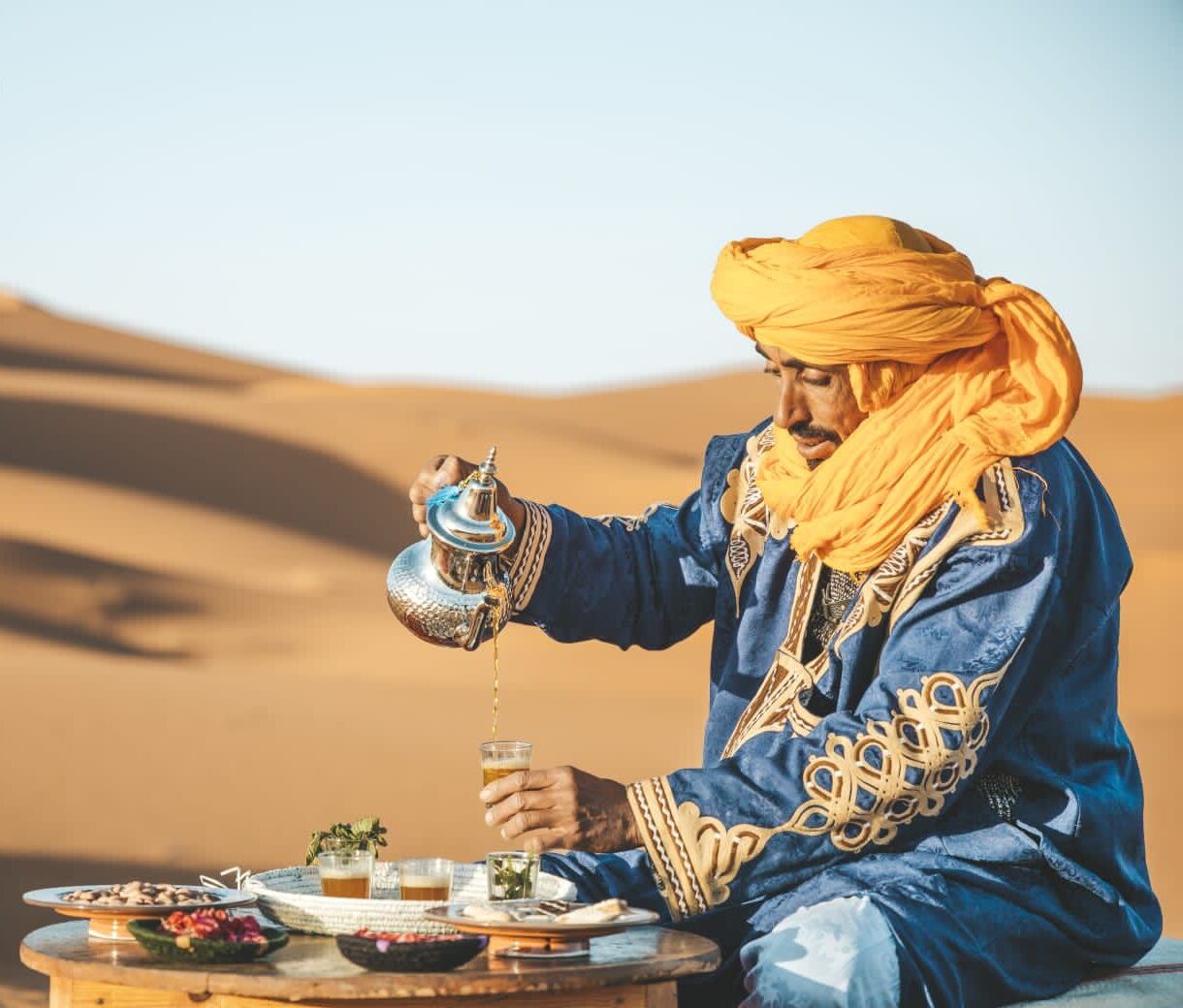
Upon arrival at your chosen camp, usually in the late afternoon, you'll be welcomed with traditional mint tea and a chance to settle in. Children especially appreciate this transition time, where they can explore the camp's facilities, meet the staff, and begin adjusting to their new surroundings.
The evening of arrival typically includes dinner and an early night, as the desert air is surprisingly cool and the day's travel can be tiring. However, if your family enjoys astronomy, you'll want to step outside after dark—the absence of light pollution in the desert reveals a night sky so abundant with stars that it often moves people to tears.
The First Desert Experience: Camel Trekking
The next morning, families wake early to experience the sunrise over the dunes. Most Merzouga family camps organize camel trekking excursions that depart before dawn. While "camel trek" might sound intimidating, the reality is much gentler, especially for families. Experienced handlers guide the camels at a walking pace, and the animals are remarkably patient with children.
For families with very young children or those with mobility concerns, a short one-hour camel ride offers the essential desert experience without requiring extreme physical exertion. Longer treks of three to four hours suit families with older children and fit adults who want deeper exploration.
The camel experience teaches children something profound: that other cultures and environments operate on different principles than their daily life. A camel isn't rushed; it moves at its own pace across sand that shifts beneath every step. This naturally teaches patience and presence in ways that planned lessons never could.
Accommodation and Comfort Standards
A critical consideration for families is the level of comfort at the camp. Modern family-friendly Merzouga desert camps have evolved significantly from the romantic notion of "roughing it." Original Desert Camp, for example, offers a carefully balanced experience where you're genuinely in the desert but with thoughtful amenities that keep families comfortable.
Most camps now provide comfortable beds (not camping mats), adequate bathing facilities with hot water, and good meals that accommodate various dietary needs. This is crucial because a hungry, uncomfortable child makes everyone's desert experience considerably less enjoyable.
Family-specific accommodations typically include private tents or rooms rather than communal spaces, giving families privacy while still enabling them to participate in group activities when they wish. This flexibility is essential—sometimes families need rest time, and a good camp respects that without making guests feel they're missing out.
Planning Your Merzouga Family Desert Camp Trip
Best Time to Visit with Children
Timing your family trip to Merzouga is important for comfort and safety. The desert experiences extreme temperature variations throughout the year:
Spring (March to May) offers ideal conditions with warm but not scorching days and cool, pleasant nights. Wildflowers bloom across the region, and the weather is predictable.
Autumn (September to November) mirrors spring in many ways, with comfortable temperatures that don't force families indoors. The September transition month can still be hot, so October and November are particularly pleasant.
Summer (June to August) presents challenges for families, as daytime temperatures regularly exceed 110°F (43°C). While some families travel during these months, it requires extra precautions with sun protection, hydration, and frequent rest breaks.
Winter (December to February) brings cool days and cold nights, but the crisp air is often refreshing. This period works well for families who don't mind a sweater in the evening and want to avoid crowds.
How Long Should You Stay?
Many families wonder whether a one-night desert camp stay feels too brief. The answer depends on your family's interests and tolerance for travel. A two-night, three-day experience provides a good balance: you experience sunrise, a full day of activities, sunset, and still have manageable travel time.
For families willing to invest more time, a three-night stay allows for deeper exploration. You can visit nearby attractions like the Erg Chebbi's different faces, explore the small town of Merzouga itself, or take a longer camel trek that ventures farther from the camp.
Choosing the Right Camp for Your Family
Not all desert camps are created equal when it comes to family experiences. Here are essential factors to evaluate:
Staff experience with children: Ask directly about the camp's experience hosting families. Do guides understand how to pace activities? Can they manage different age groups?
Activity flexibility: Can your camp adjust activities based on your family's preferences? Some families want structured group experiences; others prefer custom itineraries.
Meal accommodations: Do they offer vegetarian, vegan, gluten-free, or other dietary options? Can they prepare meals that appeal to children?
Sanitation standards: While desert camps are rustic by nature, hygiene is non-negotiable for families with children. Investigate bathrooms, food preparation areas, and water quality.
Communication and reviews: Read recent reviews from other families. What do they specifically mention about their children's experience?
Original Desert Camp has been purposefully designed with families in mind. The camp maintains high cleanliness standards, employs bilingual guides experienced with children, and offers flexible activity options that can be adjusted based on your family's energy levels and interests.
Making the Most of Your Desert Experience
Preparation Tips for Families
Sun protection is non-negotiable: Invest in high-SPF sunscreen, protective clothing, wide-brimmed hats, and sunglasses for each family member. The desert sun reflects off sand, intensifying UV exposure on skin and eyes.
Hydration starts before arrival: Begin drinking extra water several days before your trip. Upon arrival in the desert, maintain consistent water intake—at least 2-3 liters daily for adults, adjusted for children's size.
Pack entertainment strategically: While the desert itself is entertainment, consider bringing lightweight, quiet activities for evening time: books, card games, or travel journals where children can document their experience.
Prepare for temperature swings: Desert temperatures can drop 40-50°F between day and night. Pack layers that can be easily added or removed.
Consider medication and first aid: Bring adequate supplies for any medications family members require, plus a basic first aid kit with blister treatment, anti-diarrheal medication, and antihistamines.
Activities Beyond Camel Trekking
While camel trekking is iconic, a quality Merzouga family camp offers diverse activities:
Sandboarding and sledding: Children of various ages enjoy sliding down dunes on boards or with makeshift sleds. The soft sand provides a safe landing surface, making this an exciting adventure.
Sunset and sunrise viewing: Plan to watch these natural spectacles with your family. The changing colors, the sense of stillness, and the shared experience create deeply memorable moments.
Stargazing: The desert's clarity offers unparalleled stargazing opportunities. Many camps offer guided astronomy experiences or simple quiet time under the stars.
Hiking and walking: Explore dunes on foot at your own pace, discovering different perspectives and studying the landscape more closely.
Cultural experiences: Meet Berber guides and camp staff, learn about traditional desert life, and participate in activities like henna painting or traditional tea preparation.
Photography projects: Encourage family members to photograph the landscape and each other. Later review of these images becomes part of the storytelling about your trip.
Understanding Berber Culture and Desert Life
Learning Opportunities for Children
One of the profound benefits of staying at a Merzouga family desert camp is the opportunity for cultural education. Children learn that other people's lifestyles, values, and approaches to life are equally valid to their own. Meeting Berber guides and camp staff demonstrates this in concrete, personal ways.
Many camps include cultural components in their family packages: learning simple Berber phrases, understanding traditional building methods used in the desert, or discussing how families have adapted to Saharan life for centuries. These aren't performance-oriented tourism moments but genuine cross-cultural exchanges.
The desert teaches environmental lessons naturally. Children observe how little water sustains life, how animals have evolved to thrive in extreme conditions, and how humans must work within nature's constraints rather than against them.
Respectful Tourism Practices
Teaching children to be respectful tourists starts before your trip. Discuss appropriate behavior—not photographing people without permission, respecting prayer times, and understanding that the Sahara is home to people, not just a playground for visitors.
Good camps like Original Desert Camp actively promote responsible tourism practices. They employ local staff, source materials locally when possible, and ensure that tourism benefits the community rather than extracting resources from it.
Addressing Common Family Concerns
Will My Young Child Handle Camel Riding?
Most children ages three and up can enjoy camel riding with an adult or with handlers. Young children sit in front of a responsible adult, feeling secure while experiencing the novelty. The actual camel ride itself is quite smooth—the motion is rhythmic and soothing once you adjust to it.
Children often fall asleep during longer rides, which says something about the calming nature of the experience. Start with shorter rides and extend duration based on your child's comfort and interest.
What if Someone Gets Sick?
Stomach upset affects some visitors, usually temporary and manageable. Alert your camp to any special dietary needs in advance. Original Desert Camp works with medical facilities in nearby towns and can arrange assistance if needed, though serious illness requiring hospitalization would necessitate travel to larger cities like Fes or Marrakech.
The dry desert air can actually help some people feel better, as the low humidity reduces respiratory irritation. Stay hydrated, avoid overeating at first, and give your body a day or two to acclimate to the desert environment.
Is the Camp Safe for Children?
Safety is paramount at Original Desert Camp. The camp is fenced, staff are trained in child safety, and activities are age-appropriate with proper supervision. Desert hazards like scorpions and snakes exist but are rare in populated camp areas. Your guides are experienced in managing any wildlife encounters and will brief you on simple precautions like wearing closed shoes and checking bedding.
The real risk is sunburn and dehydration—easily prevented with sunscreen, hats, and constant water intake. Families have been visiting Merzouga safely for generations, and modern camps have refined safety protocols significantly.
Final Thoughts
A family desert camp experience at Original Desert Camp combines adventure with comfort, cultural immersion with relaxation, and unforgettable memories with genuine safety. Your children will talk about sleeping under the stars, riding camels across golden dunes, and learning about Berber traditions for years to come. The Sahara offers something rare in modern childhood—genuine wonder and disconnection from screens. With proper preparation and realistic expectations, your family desert adventure will be one of life's most treasured experiences.