
Merzouga Luxury Camp & Camel Trek: The Iconic Desert Combo
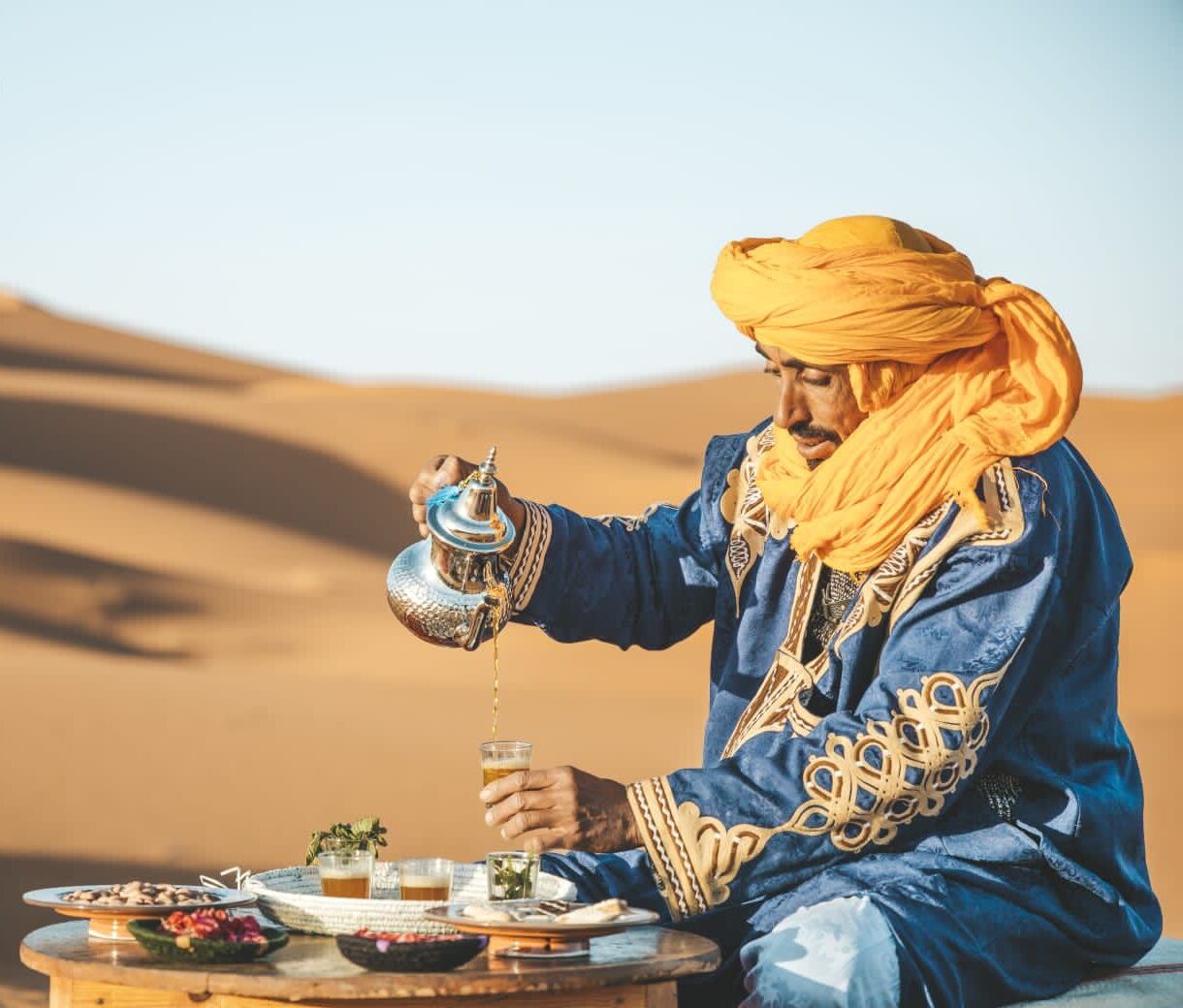
When most travelers dream of the Sahara Desert, they envision two things: riding a camel across endless dunes and sleeping under a canopy of stars in a traditional desert camp. The magic of combining a Merzouga luxury camp experience with an authentic camel trek creates memories that last a lifetime. This iconic pairing isn't just about checking boxes on a bucket list—it's about experiencing Morocco's most captivating landscape in a way that honors both adventure and comfort.
If you're planning a Sahara adventure, understanding how to make the most of this combination will help you craft an unforgettable desert experience. Let me walk you through everything you need to know about merging luxury accommodation with authentic desert exploration.
Understanding Merzouga: Gateway to the Sahara
What Makes Merzouga Special
Merzouga is a small village in southeastern Morocco, perched at the edge of the Erg Chebbi dune field—one of the Sahara's most dramatic and photogenic landscapes. Unlike other desert regions, Erg Chebbi features towering golden dunes that rise up to 150 meters, creating an almost otherworldly terrain that shifts with the light throughout the day.
The village itself has transformed over the past two decades from a remote trading post into a thriving desert tourism hub. Yet despite this development, Merzouga retains an authentic charm. Local Berber families still maintain traditional lifestyles, herding livestock across the desert and preserving centuries-old customs. This cultural richness adds tremendous depth to any visit—you're not simply visiting a tourist attraction; you're entering a living, breathing community.
The location is strategic. Merzouga sits approximately 470 kilometers southeast of Fez and is typically accessed via the scenic route through Ifrane, Midelt, and Errachidia. The journey itself becomes part of the adventure, passing through cedar forests, mountain passes, and dramatic geological formations.
The Erg Chebbi Experience
Erg Chebbi represents the pinnacle of Saharan landscapes. Unlike the rocky hamada desert or the reg (gravel plains) found elsewhere in the Sahara, Erg Chebbi is a true sand dune field with dramatic height variations and constantly shifting topography. This creates an almost lunar quality—a sense of endless, undulating waves frozen in sand.
The dunes here are particularly stunning during sunrise and sunset when the low-angled light creates dramatic shadows and bathes everything in golden-orange hues. At midday, the glare can be intense, but the dunes reveal their full scale and majesty. At night, away from any light pollution, the starry sky becomes almost impossibly bright and clear.
The Luxury Camp Experience: Comfort Meets Culture
What Defines a True Luxury Desert Camp
A merzouga luxury camp represents a sophisticated balance between authentic desert living and modern comfort. The best camps—including Original Desert Camp—don't try to recreate five-star hotels in the middle of the desert. Instead, they enhance traditional Berber camp aesthetics with thoughtful amenities that make multi-day stays genuinely pleasant.
Quality luxury desert camps typically feature:
Thoughtful Tent Design: Spacious canvas or fabric tents with high ceilings for air circulation, comfortable beds with quality linens, and adequate lighting. Many premium camps include private en-suite bathrooms with hot showers—a genuine luxury after a day in the heat.
Authentic Architecture: Rather than generic modern structures, the best camps incorporate traditional Berber design elements: intricate tile work, carved wooden details, and natural materials that reflect local aesthetics.
Excellent Cuisine: This deserves its own emphasis. The difference between a basic and luxury camp often comes down to food quality. Premium camps employ skilled cooks who prepare traditional Moroccan and Berber dishes using fresh ingredients, often sourced from local suppliers. Meals become an anticipated highlight of each day.
Attentive Service: The best camps maintain staff-to-guest ratios that allow for genuine hospitality. Your guides, cooks, and camp assistants have time to share their knowledge, answer questions, and create memorable interactions.
Thoughtful Amenities: Quality camps provide extras like fresh towels, adequate heating for cool desert nights, charging stations for devices, and spaces designed for both social gathering and solitude.
Original Desert Camp exemplifies these standards. The camp combines traditional Berber hospitality with modern comforts, featuring spacious tents with quality furnishings, well-appointed bathrooms, and a talented kitchen team that transforms simple desert meals into culinary experiences.
The Authenticity Factor
One concern travelers often have is whether luxury accommodations mean sacrificing authenticity. This is a false dichotomy. Authentic desert experiences don't require discomfort, and comfort doesn't require abandoning cultural integrity.
The Berber people have a long tradition of hospitality. Luxury camps that respect local culture actually honor this tradition by providing the warmth and generosity that Berber hosts have offered for centuries. When you stay at a camp run by local families or employing local staff, you're supporting the community and engaging with genuine cultural exchange.
The best luxury camps distinguish themselves through their commitment to employing local guides, purchasing from local suppliers, and ensuring that tourism benefits local economies. This ethical approach enhances the experience because your interactions feel genuine rather than transactional.
The Camel Trek: Adventure Across the Dunes
Camel Trekking Basics
Camel trekking represents the quintessential Saharan experience. These remarkable animals have carried traders, nomads, and explorers across desert landscapes for millennia. Riding a camel connects you directly to this historical continuity—you're traveling across the same terrain using the same methods as countless generations before you.
Most camel treks from Merzouga last between one and three days. A typical multi-day trek follows this pattern:
Day One: Afternoon departure from your camp or pickup location, traveling across the dunes toward a more remote camp location. This introductory trek allows you to acclimate to camel riding and desert pacing. You'll typically cover 15-20 kilometers. Evening includes dinner under the stars and overnight camping.
Day Two: Full day of trekking across various dune formations, with midday rest during the hottest hours. The route varies based on guide preferences and group capabilities, but often includes visits to dramatic dune formations or points offering panoramic views. Another night in the desert.
Day Three: Early morning trek, often timed to catch sunrise from a strategic dune location, followed by return toward Merzouga.
Preparing for Camel Trekking
Physical Considerations: Camel riding is deceptively demanding. You're sitting on an elevated, moving platform with minimal back support, using your core muscles to maintain balance. This is different from horse riding and often causes muscle soreness, particularly in the lower back and thighs, for first-time riders.
Most people in reasonable health can handle a camel trek, but it's important to be honest with yourself. If you have back problems, joint issues, or mobility limitations, discuss this with your camp operator before booking. Original Desert Camp's experienced guides can recommend appropriate trek durations and pacing.
Mental Preparation: The monotony of steady camel movement across similar-looking terrain can be meditative for some travelers but surprisingly challenging for others. Some people find the steady rhythm deeply relaxing; others struggle with what feels like slow progress. Going in with realistic expectations helps significantly.
What to Pack for the Trek: Bring sun protection (high-SPF sunscreen, sunglasses, a wide-brimmed hat), plenty of water, any personal medications, and modest clothing that covers your skin. Long pants or skirts protect your legs from the camel saddle and sun. A lightweight scarf or buff can protect your face and neck from wind-blown sand. Keep items in a small day pack that can attach to the camel saddle.
The Experience Itself
The reality of camel trekking often surprises first-timers. Yes, there's a learning curve as you adjust to the camel's rhythm and find your balance. But soon, something magical happens: the steady pace becomes meditative. The vast landscape surrounding you creates a sense of spaciousness and freedom. Conversation becomes less frequent as the desert's quiet and scale impress themselves upon you.
The guides who lead these treks are typically Berber men who grew up in this landscape. Their knowledge runs deep—they know the dunes, the weather patterns, the best routes, and the stories embedded in the terrain. These aren't tour guides reciting scripts; they're inhabitants of this landscape sharing their home.
You'll notice small details: the way sand varies in texture and color across different dune faces, how the light transforms throughout the day, the occasional desert plants that seem impossibly resilient. You might see desert foxes, various bird species, or the tracks of creatures that move primarily at night. This slow-paced observation creates a quality of attention that our daily lives rarely afford.
The evenings around the camp fire offer profound beauty. Berber musicians might play traditional instruments—the oud, bendir drums, or gimbri—creating music that feels ancient and immediate simultaneously. Conversations deepen as people shed their daily personas and connect more authentically.
Merzouga Luxury Desert Camp Activities: Beyond the Basic Trek
Camel Trekking Variations
While a standard camel trek forms the centerpiece of most Merzouga experiences, variations allow you to customize your adventure:
Sunrise Treks: Starting before dawn and trekking to a viewpoint where you watch the sun illuminate the dunes creates one of the desert's most breathtaking moments. The transformation from darkness to golden light happens gradually, painting the dunes in shifting hues.
Sunset Treks: Evening departures allow you to watch sunset from the dunes and return by moonlight, a more romantic and less demanding option than sunrise treks.
Photography-Focused Treks: Guides can plan routes and timing specifically for photographers, positioning you for optimal light and interesting compositions.
Extended Multi-Day Treks: More ambitious travelers can undertake four, five, or even seven-day treks venturing deeper into the Sahara, reaching more remote areas and experiencing more profound isolation.
Desert Camp Activities Beyond Trekking
A comprehensive merzouga luxury camp experience extends well beyond camel trekking:
Dune Exploration on Foot: Some travelers enjoy exploring dunes on foot, particularly near camp. This offers different perspectives and allows for photography without the constraints of camel riding.
Sandboarding and Sandskiing: A more contemporary addition to desert adventures, sandboarding allows you to descend dunes using a specialized board. This activity appeals to adventure-seekers and younger travelers.
Stargazing and Astronomy: The Sahara offers some of Earth's darkest skies. Many camps, including Original Desert Camp, provide opportunities for serious stargazing. The Milky Way's visibility is astounding, and clear nights allow for genuine astronomical education.
Cultural Experiences: Quality camps facilitate interactions with local Berber families, including visits to traditional camps, participation in traditional cooking, and conversations with locals about their lifestyles and history.
Desert Photography Workshops: Structured workshops teach composition, lighting, and technique specific to desert photography, with experienced instructors guiding you toward compelling images.
Meditation and Wellness: The desert's spaciousness naturally invites reflection. Some camps offer yoga sessions, guided meditation, or simply create space for personal contemplation.
Vehicle Exploration: Four-wheel-drive excursions can visit areas inaccessible by camel, including dramatic geological formations, hidden valleys, and archaeological sites.
Planning Your Merzouga Luxury Camp & Camel Trek Itinerary
Duration Considerations
The ideal duration depends on your goals and constraints:
Two Days: Allows for an overnight desert camp and camel trek. This compressed schedule works well if you're fitting Merzouga into a broader Morocco tour.
Three to Four Days: The sweet spot for most travelers. This duration accommodates a multi-day camel trek with adequate time to acclimate, explore, and simply be present in the landscape.
Five to Seven Days: Allows for deeper immersion, possibly combining multiple activities, extended trekking into more remote areas, and more substantial cultural engagement.
Seasonal Planning
Spring (March-May): Ideal conditions with pleasant temperatures (20-30°C), clear skies, and manageable daytime heat. Spring also brings wildflowers to desert regions.
Fall (September-November): Similarly excellent with comfortable temperatures and reliable weather.
Summer (June-August): Extremely hot (40-50°C during the day) and challenging for trekking. Most travelers should avoid these months unless they have significant heat tolerance.
Winter (December-February): Cool nights (near freezing) can be uncomfortable without adequate heating, though da ytime temperatures remain pleasant (15-20°C). Night skies are exceptionally clear for stargazing.
Making the Most of Your Time
Whatever duration you choose, maximize your experience by:
- Arriving rested: The journey to Merzouga is long; arrive the day before your desert activities begin if possible.
- Communicating preferences: Inform Original Desert Camp of your interests—whether photography, cultural immersion, adventure, or relaxation—so they can tailor your itinerary.
- Embracing flexibility: Desert conditions can change. Build in buffer time rather than adhering to rigid schedules.
- Disconnecting intentionally: Use your time to step away from digital distractions and engage fully with the landscape and local culture.
- Pacing yourself: Overambitious itineraries leave you exhausted rather than enriched. Slower is often better in the desert.
Final Thoughts
The Sahara rewards those who give it adequate time to reveal its magic. Whether you have two days or a week, the key is matching your available time with realistic expectations and seasonal conditions. Original Desert Camp's experienced team can help you craft an itinerary that fits your schedule while ensuring you experience the authentic beauty, culture, and tranquility that make Merzouga unforgettable.