
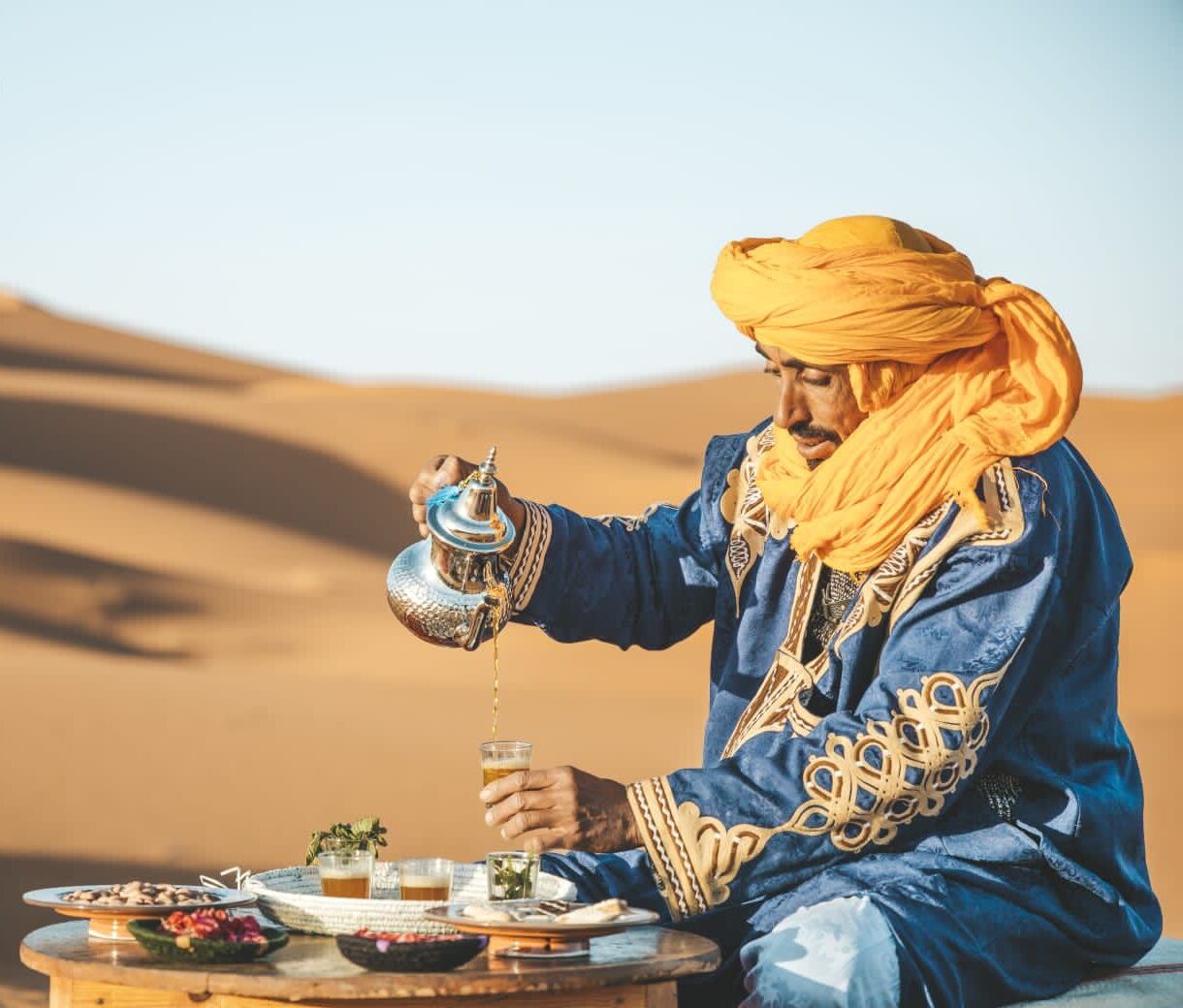
Merzouga Luxury Desert Camp from Marrakech: How to Plan the Trip
The journey from the bustling medinas of Marrakech to the golden dunes of Merzouga represents one of Morocco's most transformative travel experiences. Whether you're seeking adventure, cultural immersion, or simply a chance to disconnect from the modern world, traveling to a luxury desert camp in Merzouga offers something truly special. This comprehensive guide will walk you through every aspect of planning your trip, from route selection to packing essentials, ensuring your desert experience exceeds expectations.
Understanding Your Starting Point: Why Marrakech?
Marrakech has become the primary gateway for international travelers exploring Morocco's interior. With its well-developed airport infrastructure, abundance of accommodations, and established tourism networks, it's the logical launching point for a desert adventure. Most visitors find themselves in Marrakech either as their initial destination or as a convenient hub before venturing deeper into Morocco.
The city itself deserves at least two to three days of exploration before heading south. The medina's vibrant souks, the serene Jemaa el-Fnaa square, and the stunning Koutoubia Mosque are experiences you won't want to miss. Plus, acclimatizing to Morocco's pace of life before your desert journey makes the transition smoother.
Best Time to Visit Merzouga from Marrakech
October through April represents the ideal window for a Marrakech luxury desert camp from Merzouga. During these months, daytime temperatures hover around 20-25°C (68-77°F), while nights can drop to 5-10°C (41-50°F)—perfectly comfortable for exploring the dunes and enjoying outdoor activities.
May through September brings extreme heat. Daytime temperatures regularly exceed 40°C (104°F), sometimes reaching 50°C (122°F). While some travelers embrace this challenge, it significantly impacts comfort and limits outdoor activities to early mornings and late evenings.
The Route: Marrakech to Merzouga
Distance and Duration
The journey from Marrakech to Merzouga covers approximately 470-500 kilometers (290-310 miles) depending on your specific route. Driving time typically ranges from 10-12 hours of active travel, though most organized trips spread this across two days, allowing for stops and exploration.
Route Options
The Classic Route (Most Popular)
Marrakech → Kasbah Ait Benhaddou → Ouarzazate → Dades Valley → Merzouga
This scenic route follows the Atlas Mountains and passes through some of Morocco's most dramatic landscapes. The journey includes:
- High Atlas pass crossings offering breathtaking mountain views
- Kasbah Ait Benhaddou, a UNESCO World Heritage site that's worth several hours of exploration
- Ouarzazate, known as the "Gateway to the Sahara," where you can visit film studios and kasbahs
- Dades Valley, famous for its "Monkey Fingers" rock formations and traditional Berber villages
- Todra Gorge (optional detour), featuring stunning canyon scenery
The Northern Route
Marrakech → Middle Atlas → Ifrane → Midelt → Merzouga
This alternative route takes you through cedar forests and pine-covered mountains. It's slightly longer but offers a completely different landscape experience and fewer tourists than the classic route.
The Direct Route
Marrakech → Ouarzazate → Merzouga (via N1 highway)
The fastest option, covering roughly 430 kilometers in about 9 hours of driving. This route sacrifices scenic stops for time efficiency, making it suitable only if you're severely limited on days.
Travel Duration: How Long Should You Plan?
Three-Day Itinerary (Minimum)
- Day 1: Marrakech to Dades Valley
- Day 2: Dades Valley to Merzouga, camel trek, overnight at desert camp
- Day 3: Sunrise experience, return journey begins
Five-Day Itinerary (Recommended)
- Day 1: Marrakech to Kasbah Ait Benhaddou (with exploration)
- Day 2: Ait Benhaddou to Ouarzazate to Dades Valley
- Day 3: Dades Valley exploration, afternoon departure to Merzouga
- Day 4: Full day in Merzouga—camel trekking, dune exploration, sunset and overnight at luxury camp
- Day 5: Sunrise experience, return journey to Marrakech or onward travel
Seven-Day Itinerary (Optimal)
A full week allows you to savor the experience rather than rush through it. This timeframe permits:
- Thorough exploration of Marrakech before departure
- Leisurely stops at heritage sites en route
- A full two nights at your luxury desert camp
- Exploration of surrounding kasbahs and valleys
- Flexibility for unexpected discoveries
Choosing Your Transportation
Private Car with Driver
Pros:
- Maximum flexibility and control over your itinerary
- Ability to stop whenever and wherever you wish
- Privacy and personalized pace
- Comfortable for groups
Cons:
- Higher cost (typically €80-150+ per day)
- Responsible for driver accommodation and meals
- Need to arrange everything independently
Organized Desert Tours
Most travelers opt for organized packages that include transportation, accommodation, meals, and desert activities. These tours typically range from €200-400+ per person for 2-3 days, depending on luxury level.
Advantages:
- All logistics handled professionally
- Meet other travelers
- Expert local guides included
- Consistent quality
Disadvantages:
- Fixed itineraries with less flexibility
- Group dynamics influence the experience
- Peak season crowds
Public Transport
Budget-conscious travelers can use buses (CTM and other operators) and shared taxis, though this requires more planning and involves longer journey times.
Selecting Your Luxury Desert Camp
The accommodation you choose significantly shapes your entire experience. A genuine luxury desert camp should offer comfort without compromising authenticity.
What to Look for in a Premium Camp
Accommodation Quality
- Spacious, well-appointed Berber tents or rooms
- Comfortable bedding with quality linens
- Private or semi-private facilities
- Climate control for temperature extremes
Dining Experience
- Multi-course meals featuring local cuisine
- Clean food preparation facilities
- Accommodation of dietary requirements
- Social dining encouraging cultural exchange
Activities and Services
- Professional camel trekking guidance
- Sunset and sunrise excursions
- Access to quieter dune areas away from crowds
- Optional activities (sandboarding, photography, etc.)
- Entertainment like traditional music and storytelling
Authenticity and Sustainability
- Genuine Berber staff and cultural integration
- Responsible tourism practices
- Support for local communities
- Environmental consciousness
Original Desert Camp: A Premier Choice
Original Desert Camp represents the standard for luxury desert hospitality in Merzouga. Located in prime positions within Erg Chebbi, the camp combines traditional Berber aesthetics with genuine comfort. The operation prioritizes small group experiences, ensuring personalized service and authentic cultural interaction—quite different from the massive camps accommodating hundreds of guests near the main entrance.
The camp features thoughtfully designed accommodations, a dining area serving excellent Moroccan cuisine, and access to less-crowded dune areas perfect for experiencing the Sahara's true tranquility. Their guides demonstrate extensive knowledge of local geography, astronomy, and Berber culture, enriching every aspect of your stay.
Packing Essentials for Your Desert Journey
Clothing
Daytime (Cooler Months)
- Lightweight, breathable shirt and trousers
- Wide-brimmed hat or cap
- Sunglasses with UV protection
- Light sweater for variable temperatures
- Comfortable walking shoes
Evening
- Warm jacket or heavy sweater (essential—desert nights are surprisingly cold)
- Long pants
- Comfortable slip-on shoes or slippers
Nighttime (Summer)
- Light sleeping clothes
- Even in summer, nights require coverage
Sun and Skin Protection
- High-SPF sunscreen (50+)
- Lip balm with SPF
- Moisturizer for dry desert air
- After-sun lotion
- Lightweight scarf for face protection during windy periods
Health and Hygiene
- Prescription medications (if applicable)
- Blister prevention supplies
- Sunburn relief medication
- Basic first aid supplies
- Toiletries (though most camps provide basics)
- Toilet paper and wet wipes
- Any medications for stomach sensitivity
Photography
- Camera or quality smartphone
- Extra batteries or portable charger
- Memory cards
- Lens cleaning cloths
- Consider a tripod for night sky photography
Miscellaneous Essentials
- Passport and copies
- Travel insurance documentation
- Cash (MAD) and/or credit cards
- Modest clothing for medina visits (shoulders and knees covered)
- Reusable water bottle (refilled regularly)
- Notebook and pen for reflections
- Eye mask and earplugs (helpful in shared accommodations)
Practical Planning Considerations
Budget Breakdown
A realistic budget for a 5-day trip from Marrakech includes:
- Transportation: €100-200 (depending on private vs. group)
- Luxury camp (2 nights): €150-300
- Meals: €50-100 (often included in camp packages)
- Activities: €30-50
- Tips and incidentals: €50-100
Budget-conscious travelers can reduce these figures; luxury seekers will exceed them.
Booking Timeline
Peak Season (October-April)
- Book 2-3 months in advance
- Demand is highest December-February
- Popular camps fill quickly
Shoulder Season (May, September)
- 4-6 weeks advance booking recommended
- Better availability than peak season
- Fewer crowds
Low Season (June-August)
- Less booking pressure
- May find last-minute deals
- Consider heat tolerance carefully
Health and Safety Considerations
Vaccinations Consult your healthcare provider about routine vaccinations. While not required for Morocco, hepatitis A and typhoid protection is sometimes recommended.
Travel Insurance Comprehensive travel insurance is highly advisable, covering medical emergencies, trip cancellation, and evacuation if necessary.
Desert Challenges
- Acclimatize gradually to altitude and heat
- Stay thoroughly hydrated
- Use sunscreen consistently
- Respect the desert's power—don't venture out alone
- Inform someone of your plans
Transportation Logistics
From Marrakech Airport Arrange transfers through your camp or tour operator. Most offer airport pickup services (typically €30-50).
Driving Dynamics If hiring a private driver, understand that:
- Mountain roads require patience and careful driving
- Rest stops are frequent (and beneficial)
- Moroccan traffic customs differ from Western norms
- Your driver often becomes an invaluable cultural guide
Making the Most of Your Desert Experience
Embrace the Pace
The Sahara teaches patience. Rather than viewing travel time as something to endure, embrace it as part of the experience. Each journey segment offers unique landscapes and perspectives.
Engage with Your Guide
Local guides possess deep knowledge about geology, stars, Berber traditions, and history. Ask questions freely—they enjoy sharing their homeland's stories.
Balance Activity and Reflection
While camel trekking and exploration are memorable, allocate time simply sitting with the desert. Sunrise and sunset periods especially invite contemplation.
Respect Cultural Sensitivities
- Dress modestly outside tourist areas
- Ask permission before photographing people
- Learn basic Arabic greetings
- Show genuine interest in Berber customs
Manage Expectations Around Crowds
Main dune areas near town can feel touristy, particularly during peak season. Choosing a camp like Original Desert Camp that operates quieter zones makes a significant difference.
The Return Journey: Getting Back to Marrakech
Most travelers return to Marrakech via the same route, though variations are possible. The return journey takes 10-12 hours driving, typically split across two days with overnight stops. Some travelers continue onward to Fes, Essaouira, or other Moroccan destinations instead of returning to Marrakech.
Final Preparations Before Departure
One Week Before
- Confirm all bookings (camp, transport, guides)
- Check passport validity (6+ months beyond travel dates)
- Review travel insurance details
- Pack appropriate clothing for desert temperature swings
48 Hours Before
- Reconfirm your transport pickup time and location
- Prepare medications and toiletries in carry-on luggage
- Charge all electronic devices
- Exchange currency if needed (though most camps accept cards)
Day of Departure
- Arrive at your pickup point 15 minutes early
- Bring copies of important documents separately from originals
- Keep hydration levels high throughout the drive
- Have contact information for your camp readily available
Final Thoughts
A journey to Merzouga's Sahara transcends typical tourism—it's a transformative encounter with one of Earth's most magnificent landscapes and the resilient people who call it home. By preparing thoughtfully, respecting local culture, and choosing experiences that align with your values, you'll return with memories that resonate for years. Original Desert Camp stands ready to guide you through this extraordinary adventure, ensuring comfort and authenticity at every step. Whether you're seeking spiritual renewal, adventure, or simply a break from the ordinary, the Sahara awaits with open arms.