
Merzouga Luxury Desert Camp Morocco: The Definitive Guide
When most people imagine a desert experience, they picture endless golden dunes, star-filled skies, and the romance of Saharan nights. Merzouga, Morocco offers exactly that—but with a modern twist that doesn't compromise on authenticity or comfort. This comprehensive guide will help you understand what makes a luxury desert camp experience in Merzouga truly special, what to expect when you arrive, and how to make the most of your time at one of North Africa's most magical destinations.
The Sahara Desert has captivated travelers for centuries. Yet until relatively recently, experiencing it meant genuine hardship. Today's luxury desert camps have transformed the Saharan experience into something accessible to everyone—whether you're a seasoned adventurer or someone who simply wants to experience the desert's raw beauty without sacrificing comfort. A Merzouga luxury desert camp in Morocco represents the perfect balance between authentic desert culture and contemporary hospitality.
Understanding Merzouga: Gateway to the Sahara
What Makes Merzouga Special
Merzouga is a small Berber village located at the edge of Erg Chebbi, one of the Sahara's most dramatic and photographed dune fields. Unlike many desert regions that stretch endlessly in monotonous formations, Erg Chebbi features towering golden dunes that rise up to 160 meters (525 feet) above the surrounding terrain. These aren't gentle rolling hills—they're dramatic, sculpted mountains of sand that shift and change with wind and light throughout the day.
The village itself is home to approximately 200 Berber families who have maintained their traditional way of life for generations. This human element transforms a Merzouga luxury camp experience from a simple nature retreat into a genuine cultural exchange. You're not just visiting a landscape; you're entering a living community with its own traditions, language, and hospitality customs.
What sets Merzouga apart from other Saharan destinations in Morocco is its accessibility combined with its dramatic natural beauty. It's close enough to reach from major cities like Fez (about 470 kilometers) or Marrakech, yet far enough removed to feel genuinely remote. The drive itself becomes part of the adventure, taking you through the Atlas Mountains, across Moroccan plateaus, and gradually into the increasingly sparse vegetation that signals your approach to true desert.
The Geography of Erg Chebbi
Erg Chebbi translates to "eastern dune field" in Tamazight, the Berber language. It covers approximately 78 square kilometers of pristine sand dunes. What makes Erg Chebbi unique compared to other ergs (sand sea formations) in the Sahara is its proximity to the Tafilalet oasis region, which means you get the drama of genuine desert alongside the comfort of nearby settlements and resources.
The dunes of Erg Chebbi face east toward Algeria, catching the first light of sunrise in magnificent fashion. This geographical orientation has made it a photographer's paradise and explains why sunrise at Erg Chebbi is considered one of Morocco's most stunning natural phenomena. The color transformation—from deep purples and blues before dawn, through rose and amber at sunrise, to brilliant gold in full daylight—creates a show that no photograph can fully capture.
Planning Your Visit: Best Times and What to Expect
Climate and Seasonal Considerations
The Sahara isn't a destination for every season. Understanding Merzouga's climate is essential for planning a comfortable luxury desert camp experience.
October through April represents the ideal season for Merzouga desert camps. During these months, daytime temperatures range from pleasant to warm (18-28°C or 64-82°F), while nights cool considerably (dropping to 5-15°C or 41-59°F). This temperature swing is actually part of the authentic Saharan experience. The desert's lack of humidity and atmospheric moisture means heat dissipates rapidly once the sun sets, creating those dramatic cool nights that make sleeping under the stars genuinely comfortable.
May through September brings extreme heat, with daytime temperatures regularly exceeding 40°C (104°F) and occasionally reaching 50°C (122°F). While some camps remain open, the intense heat makes activities challenging and reduces the overall comfort of your experience. The luxury desert camps, including Original Desert Camp, typically maintain reduced operations during these months or modify their offerings to accommodate the heat.
December and January attract the most visitors due to perfect weather. If you're planning during this peak season, book accommodations several months in advance. The trade-off for better weather is more crowded dunes and higher prices.
November, February, and March offer excellent alternatives to the peak season. You'll encounter fewer visitors, more reasonable rates, and still-perfect weather for all activities.
Rainfall and Water Concerns
Rain is virtually non-existent in Merzouga—the region receives less than 50 millimeters annually. This predictability means you can confidently plan outdoor activities without weather interruptions. However, the rare rainfall events (typically brief thunderstorms in spring) can create temporary flooding in wadis (dry riverbeds) in the surrounding region, occasionally affecting road access. This is rarely an issue for the main routes to camps, but it's worth noting if you're planning hiking or expedition activities.
What Is a Merzouga Luxury Camp Experience?
Beyond Traditional Tent Camping
The term "luxury desert camp" can mean different things to different operators. A genuine luxury camp in Merzouga like Original Desert Camp represents a careful curation of authentic desert experience with modern comfort standards.
These camps typically feature:
Accommodations: Rather than basic Bedouin-style tents, luxury camps offer spacious Berber tents (often called "Glamping" tents) with actual beds, quality linens, and proper temperature control. Many feature private en-suite bathrooms with hot water showers—a remarkable luxury when you're surrounded by miles of sand. Some premium camps now offer semi-permanent structures with stone foundations, offering maximum comfort while maintaining the aesthetic of traditional architecture.
Dining: The stereotype of camping food doesn't apply here. Merzouga luxury camps employ skilled chefs who prepare Moroccan and international cuisine. Dinners are often multi-course affairs featuring tagine dishes (slow-cooked meat and vegetable combinations), fresh couscous, and grilled specialties. Dietary requirements and preferences are typically accommodated with advance notice.
Activities and Experiences: Beyond simple tent sleeping, luxury camps curate experiences. This includes camel trekking across the dunes, guided 4x4 expeditions, sunset and sunrise viewing from prime locations, traditional music performances, and opportunities to meet and learn from local Berber families.
Hospitality Services: Professional staff provide genuine hospitality rather than basic caretaking. This includes guided experiences, explanations of the landscape and culture, evening programs, and attentive service throughout your stay.
Infrastructure: Quality camps maintain reliable electricity (typically through solar panels and generators), clean water systems, and sometimes even Wi-Fi for those who want to share their experience or handle necessary communications.
The Philosophy Behind Luxury Desert Camps
The best luxury desert camps in Merzouga approach their business with respect for both their guests and their environment. They understand that people choosing to stay in the Sahara are seeking something beyond typical hotel amenities—they're seeking transformation, perspective, and connection. A truly luxurious experience doesn't mean unnecessary excess; it means thoughtful attention to comfort, meaningful experiences, and environmental responsibility.
Original Desert Camp exemplifies this philosophy. Rather than creating a tourist bubble, the camp facilitates genuine interaction with the surrounding Berber community, offers authentic activities that reflect actual desert life, and maintains commitment to sustainable practices that preserve the very landscape that makes the experience possible.
Activities and Experiences at Merzouga
Camel Trekking: The Essential Desert Activity
Camel trekking remains the quintessential Merzouga experience. These dromedary camels (single-hump camels perfectly adapted to desert life) have carried goods and people across the Sahara for millennia. Riding a camel provides not just transportation but a genuine connection to the historical realities of desert travel.
Most camps offer camel trekking experiences ranging from short one-hour rides to multi-day expeditions. For first-timers, the initial mounting and walking feels somewhat awkward, but within minutes, most people find a rhythm with their camel's gait. The experience of moving across the dunes at walking speed—slow enough to truly observe the landscape, fast enough to cover meaningful distances—creates a meditative quality that motorized transport cannot replicate.
The best camel treks at camps like Original Desert Camp are guided by experienced handlers who understand both the animals and the landscape. They'll point out subtle features: animal tracks that indicate desert wildlife, changes in sand color and texture that suggest different dune formations, and landmarks that have guided travelers for centuries.
4x4 Expeditions: Exploring Beyond the Dunes
While camel trekking offers intimacy with the desert, 4x4 expeditions provide broader exploration. These guided journeys typically visit neighboring formations like the black rocks of the Hamada, the colorful cliffs of Tafilalet, and small Berber villages throughout the region.
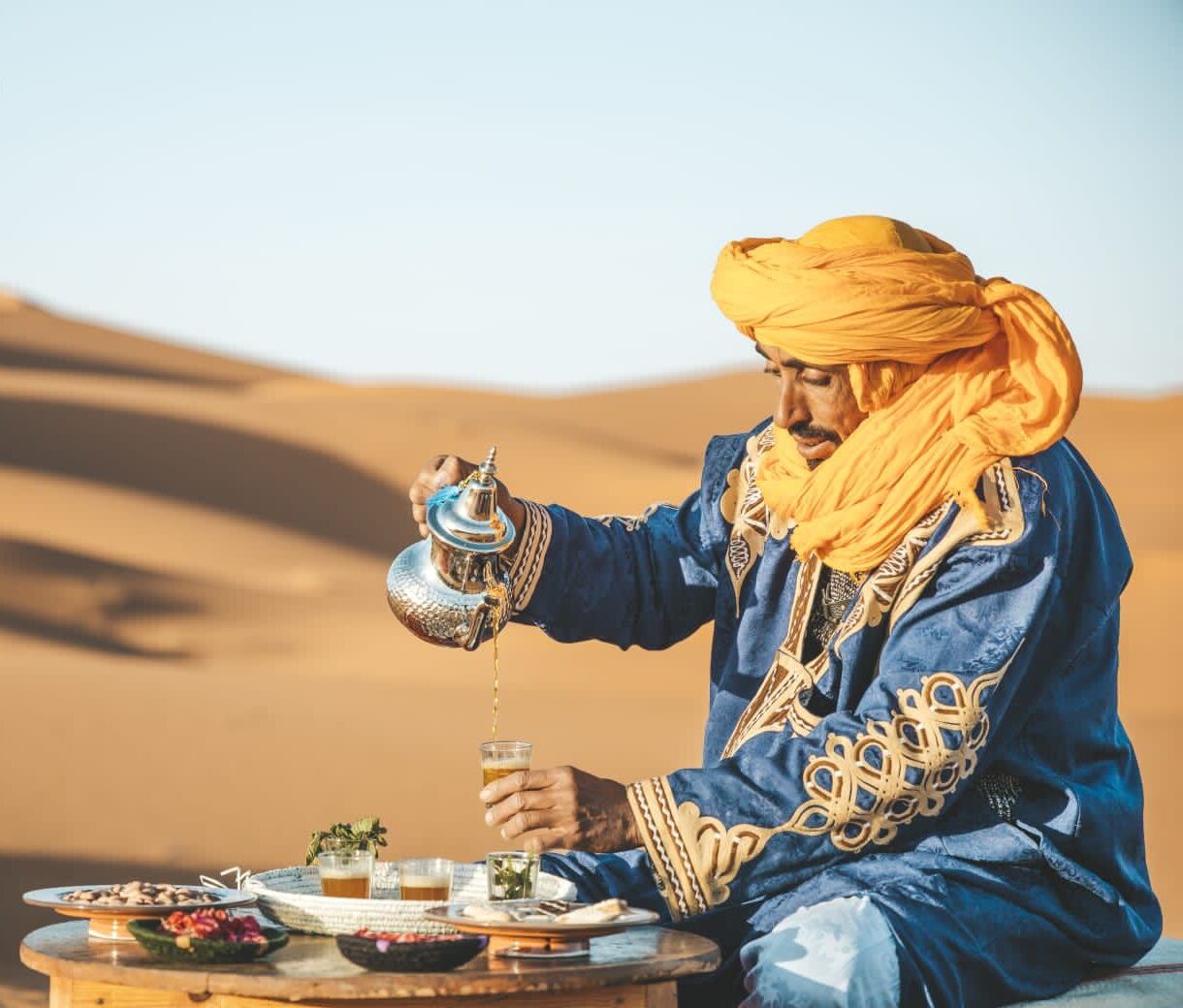
4x4 expeditions often include stops at natural landmarks and opportunities to visit local communities. Many camps incorporate visits to Berber homes, where families demonstrate traditional bread-making in sand ovens, explain their daily life in the desert, and share tea—a crucial part of Saharan hospitality.
Sunrise and Sunset Viewing
The Sahara's lack of air pollution and moisture creates an unusually clear atmosphere. The sunrise and sunset displays over Erg Chebbi are legendary. Photographers and casual observers alike consider these moments the highlight of their desert visit.
Most camps organize guided morning ascents to prime dune locations before dawn. You'll climb (or be driven) to a high vantage point, then wait as darkness gradually yields to the landscape's true colors. It's a silent, contemplative experience shared with other guests and guides. The contrast between the cold, dark hours before dawn and the warming, brightening desert creates a palpable sense of transition.
Sunset viewing is equally spectacular. The sun's angle during late afternoon creates shadow play across the dune formations, emphasizing their sculptural qualities. The sand takes on amber, rose, and eventually purple tones. If the sky is clear (which it usually is), the colors intensify as the sun drops below the horizon.
Stargazing and Night Sky Experiences
The Sahara offers some of Earth's clearest views of the night sky. Light pollution is virtually non-existent, and the dry atmosphere minimizes atmospheric interference. The Milky Way becomes a startling presence—not a vague suggestion but a clear, luminous river of stars stretching across the sky.
Merzouga's latitude and longitude place it ideally for observing both Northern and Southern hemisphere constellations. On clear nights, you can identify planetary movements, shooting stars, and even the International Space Station if timing is right. Many visitors find that simply lying in the sand watching the night sky becomes their most memorable experience.
Advanced camps increasingly offer telescopes and guided stargazing sessions with explanations of constellations, seasonal variations, and astronomical phenomena. It's a profound way to reconnect with the cosmos—something most modern humans rarely experience.
Cultural Experiences and Berber Interactions
The Berber people of Merzouga have inhabited the Sahara for thousands of years. Their culture, language (Tamazight), and traditions provide context for understanding the desert beyond its physical beauty.
Quality camps facilitate cultural exchange without exploiting local communities. This might include:
- Shared meals with local families: Experiencing traditional Berber cuisine in a family context
- Traditional music performances: Local musicians playing traditional instruments in evening gatherings
- Language and cultural workshops: Learning basic Tamazight phrases, understanding traditional dress and crafts
- Market visits: Visiting nearby towns' souks (markets) with camp guides who can explain local commerce and trading
These experiences work best when structured with genuine respect and appropriate compensation for participants' time. Original Desert Camp approaches cultural activities as meaningful exchanges rather than performances for tourists.
Adventure Activities: Hiking and Exploration
For physically active guests, Merzouga offers excellent hiking and exploration opportunities. Guided dune treks range from easy walks to challenging ascents. The challenge of climbing loose sand offers its own unique difficulty—each step forward sometimes involves sliding back slightly, making distance deceptive.
Experienced guides can lead hikes to specific locations with particular significance: natural landmarks, fossil sites, or locations offering exceptional panoramic views. Morning or late-afternoon hikes avoid the extreme midday heat and provide the best photography light.
Choosing the Right Camp: What to Look For
Accommodation Quality and Amenities
Evaluate what "luxury" means to the specific camp. Does it mean traditional Berber architecture? Private en-suite bathrooms? Generator-powered electricity? Wi-Fi connectivity? Different camps prioritize different elements. Your ideal camp experience depends on which amenities matter most to you.
Original Desert Camp balances authentic desert living with genuine comfort. Private tented accommodations feature en-suite bathrooms, comfortable bedding, and traditional Berber design elements that create an intimate connection to the landscape without sacrificing practical necessities.
Location and Access
Proximity to key attractions varies significantly between camps. Some sit directly at the base of the tallest dunes, while others occupy locations requiring 20-30 minute camel rides to reach prime desert areas. Consider your physical abilities and time preferences when evaluating location claims.
Transportation logistics matter more than many travelers realize. Reliable vehicle access to the camp, ease of reaching the airport in Errachidia or Fes, and proximity to the village of Merzouga for supplies or additional activities all influence the quality of your overall experience.
Staff Expertise and Language
The quality of guides and hospitality staff directly shapes your desert experience. Knowledgeable guides enhance every activity with context about geology, ecology, and Berber culture. Multilingual staff—whether in English, French, Spanish, or German—removes communication barriers that can frustrate travelers.
Final Thoughts
Choosing the right desert camp transforms a simple overnight trip into a genuinely transformative experience. The Sahara's vast landscape, combined with authentic cultural engagement and thoughtful hospitality, creates memories that extend far beyond your return home. Original Desert Camp's commitment to quality service, cultural respect, and sustainable tourism ensures that your Merzouga adventure supports both your personal enrichment and the local community's wellbeing. When planning your desert escape, prioritize camps that balance adventure with authenticity, comfort with cultural integrity.