
Merzouga Overnight Desert Camp Experience: A Night in the Sahara
There's something profoundly transformative about spending a night beneath the stars in the Sahara Desert. The vast expanse of golden dunes, the silence that seems to echo with ancient whispers, and the clarity of a sky untouched by light pollution—these are experiences that stay with you long after you've returned to civilization. If you're considering a Merzouga overnight camp stay, you're about to embark on one of Morocco's most remarkable adventures.
This comprehensive guide will walk you through everything you need to know about a night in the Sahara at Erg Chebbi, from what to expect during your Merzouga camp stay to practical tips that will enhance your desert experience.
Understanding Merzouga and Erg Chebbi
What Makes Merzouga Special
Merzouga is a small Berber village nestled at the edge of Morocco's most dramatic desert landscape. Located in the southeastern part of the country near the Algerian border, this remote settlement serves as the gateway to Erg Chebbi—one of the Sahara's most impressive sand dune fields. The dunes here stretch across approximately 140 square kilometers, with some peaks reaching heights of over 150 meters.
The village itself is home to around 300 Berber families who have maintained their traditional way of life for centuries. Despite its growing popularity with tourists, Merzouga retains an authentic charm that many travelers find refreshing. Unlike heavily commercialized desert destinations, this area still feels connected to its roots.
The Erg Chebbi Dunes
Erg Chebbi represents everything people imagine when they think of the Sahara. The dunes here are dramatic, constantly shifting, and absolutely stunning at different times of day. During sunrise, the sand glows in shades of orange and red. At sunset, the light creates a golden warmth that photographers dream about. And at night, the stars seem impossibly close and brilliantly clear.
The dune field's proximity to the village—just a short camel trek away—makes it easily accessible while maintaining that sense of isolation and adventure. When you're surrounded by nothing but sand and sky, you quickly understand why the Sahara has captivated human imagination for thousands of years.
Choosing Your Merzouga Desert Camp Stay
Different Types of Camps
Not all desert camps are created equal. Your choice will significantly impact your overall experience, so it's worth understanding the options available.
Luxury Berber Camps offer a more refined desert experience with comfortable accommodations, quality meals, and excellent service. These camps typically feature private or semi-private tents with proper bedding, sometimes en-suite facilities, and dining tents where multi-course meals are served. If you want the romance of sleeping in the desert without sacrificing comfort, this is your best option.
Mid-Range Camps provide a good balance between authenticity and comfort. You'll stay in traditional Berber tents but with better-quality furnishings than basic options. These camps often provide decent meals and a friendlier, more personal atmosphere than larger operations.
Budget Camps prioritize affordability over comfort. These facilities are still clean and functional, but expect basic bedding, shared facilities, and simpler meals. They're popular with backpackers and travelers on tight budgets who prioritize the experience over creature comforts.
Original Desert Camp falls into the luxury category, offering a thoughtfully designed experience that respects traditional Berber culture while providing the comfort and service that modern travelers appreciate. The camp features beautifully appointed tents, quality amenities, and an emphasis on personalized service that makes your Merzouga overnight camp experience feel special.
What to Look for in a Camp
When evaluating a Merzouga camp stay, consider these factors:
Location and Dune Access: How far is the camp from the main dune field? The best camps position you close enough for convenient access but far enough to feel genuinely remote. Original Desert Camp's location offers both accessibility and authentic desert isolation.
Accommodation Quality: Check what's included—mattresses, blankets, heating for cold nights. December through February nights can drop below freezing at higher elevations.
Meal Standards: What's provided? Are meals prepared fresh or pre-packaged? Good camps take pride in their cuisine, often featuring traditional Berber dishes made with quality ingredients.
Activities Included: Camel trekking, sunset viewpoints, breakfast under the stars, and morning hikes should all be part of a comprehensive experience.
Staff Expertise: Knowledgeable guides make all the difference. They can explain the landscape, share stories about Berber culture, and ensure your safety throughout your stay.
Environmental Responsibility: Does the camp practice sustainable tourism? Do they minimize waste and respect the fragile desert ecosystem?
The Complete Merzouga Camp Stay Timeline
Arrival and Check-In
Most visitors arrive in Merzouga in the late afternoon, after a drive from Fes, Marrakech, or other Moroccan cities. The journey itself is part of the adventure—you'll pass through the Atlas Mountains and across the Tafilalt region, watching the landscape gradually transform.
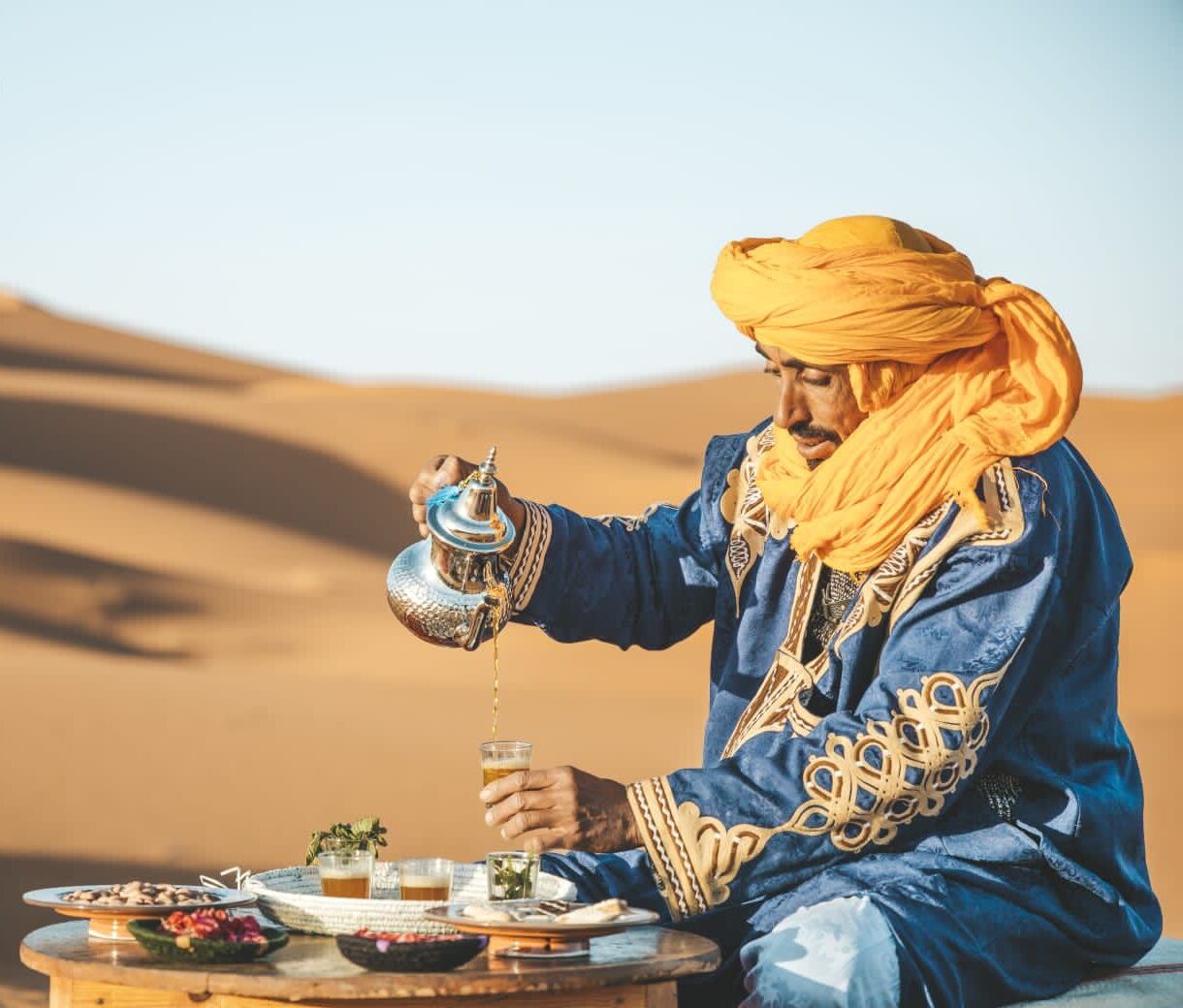
Upon arrival at your chosen camp, you'll be welcomed warmly. At Original Desert Camp, staff members greet you with refreshing mint tea while you settle in and adjust to your surroundings. Your tent will be assigned, and staff will explain the layout, facilities, and schedule for the evening.
This is an ideal time to use facilities, freshen up from your journey, and ask any questions about the evening's activities. If you're arriving with enough daylight remaining, you might take a short walk around the camp to orient yourself before the main camel trek begins.
The Camel Trek Experience
Around late afternoon, the camp will prepare camels for the sunset trek. This is the iconic Merzouga desert camp experience that most visitors look forward to.
What to Expect: You'll be matched with a camel suited to your size and experience level. Local handlers will assist you in mounting—it's easier than it looks, though the first moment can feel unusual. The camel will stand, and the sensation of height and movement takes some adjustment, but most people develop their rhythm within minutes.
The trek typically takes you away from the camp and deeper into the Erg Chebbi dune field. Your guide will choose a route that offers stunning views and interesting terrain. You might climb to a ridge where you can see for miles across undulating sand, or visit a spot where locals have traditionally gathered.
Practical Tips: Wear comfortable clothes and sturdy shoes you can remove easily. Bring a light jacket for the evening breeze. If you're concerned about comfort, many experienced desert travelers recommend wearing loose-fitting pants rather than shorts to minimize chafing. A small camera or smartphone is ideal for capturing the moment.
The camel trek typically lasts 45 minutes to two hours, allowing plenty of time to reach a good vantage point before sunset.
Sunset in the Sahara
As the sun descends toward the horizon, the light transforms. The sand shifts from golden yellow to orange, then deep amber. Shadows lengthen across the dunes, creating dramatic contrasts. If clouds are present, the entire sky can turn pink, purple, and gold.
This moment—your first real encounter with the Sahara's grandeur—often provokes a profound emotional response in travelers. There's something about the scale, the silence, and the beauty that can leave you speechless. Professional photographers might work to capture the light, while others simply sit quietly, absorbing the experience.
Many camps, including Original Desert Camp, will provide water and perhaps light snacks during this time. Some visitors choose to offer sunset prayers at this moment if that aligns with their practice. The overall atmosphere is contemplative and peaceful.
Return to Camp and Dinner
As darkness falls, you'll head back to camp for dinner. This is typically the most elaborate meal of the stay, often featuring a combination of Moroccan specialties and local Berber cuisine.
Dinner is often served in a communal space—a large tent with carpets and cushions where you sit at low tables. Dishes might include tagine (slow-cooked stews), fresh bread, salads, couscous, or grilled meats. If you have dietary restrictions, inform the camp in advance; good camps will accommodate vegetarian, vegan, and other needs.
This is an excellent opportunity to interact with other guests and your guide. Conversations often flow naturally as people share their impressions of the day and anticipate the night ahead. It's also when you might learn more about Berber culture, desert life, and Moroccan traditions directly from your hosts.
Evening Activities and Entertainment
After dinner, many camps offer additional activities. Some feature a traditional Moroccan fire show, others might have a musician playing instruments like the oud or bendir drum. Some nights feature actual campfires where you can gather under the stars, though this depends on wind conditions and camp policies.
Original Desert Camp often provides these cultural experiences thoughtfully, ensuring they feel authentic rather than staged. Staff might share stories about desert life, astronomy information about visible constellations, or traditional music that's been part of Saharan culture for centuries.
This is also a perfect time for stargazing. The Sahara offers some of the clearest night skies in Morocco, away from light pollution. The Milky Way is often visible as a brilliant band across the sky. If you're interested in astronomy, sharing this with your guide can enhance the experience tremendously.
Settling In for the Night
As the evening winds down, you'll head to your tent. Before settling in, take a moment to step outside and look up. Many travelers describe this moment—lying in the desert darkness with an impossible array of stars overhead—as one of the most memorable of their lives.
Your tent will be prepared for sleep with blankets and heating if needed. In cooler months (November through February), some camps provide hot water bottles or space heaters. Original Desert Camp ensures comfortable sleeping conditions year-round, with quality bedding and proper insulation.
Some guests sleep easily and deeply, the quiet and fresh air promoting restful sleep. Others find themselves awakening multiple times, drawn outside to look at the sky or simply absorbed in the novelty of sleeping in the desert. Both experiences are completely normal and equally valid.
Sunrise Wake-Up
Most camps arrange an optional sunrise viewing, typically starting one to two hours before actual sunrise. This means a very early wake-up—often around 4:30 or 5:00 AM—but nearly every guest considers it worthwhile.
The pre-dawn trek takes you back out to a ridge or favorable vantage point where you'll watch the world slowly illuminate. The first light is incredibly subtle—the faintest hints of color on the horizon, the gradual emergence of shapes from darkness, the shift from night to day happening in real-time before your eyes.
Sunrise in the Sahara is different from sunset. It's quieter, more spiritual somehow. Few people speak during these moments. The light gradually strengthens, colors become more vivid, and birds begin calling—sounds that highlight just how alive the desert truly is.
Most camps provide hot drinks—coffee, tea, or hot chocolate—during this time. Some serve light breakfast at the viewing spot; others return to camp for a full breakfast afterward.
Practical Preparation for Your Merzouga Camp Stay
What to Pack
Clothing: Light, loose-fitting clothes for daytime; a warm jacket or sweater for evenings. December through February can be cold, especially in early morning. Layers are essential since temperatures can fluctuate 30+ degrees Fahrenheit between day and night.
Footwear: Comfortable walking shoes for camp, slip-ons for easy removal when entering tents (most camps require this), and sturdy boots for dune walking if you're trekking independently.
Sun Protection: High-SPF sunscreen, sunglasses, and a hat or head covering. The desert sun reflects off sand, intensifying UV exposure.
Personal Items: Toiletries, any medications, and toilet paper (many camps provide this, but carrying some is wise). Contact lens solutions, glasses, and prescription medications are important to bring.
Electronics: Phone, camera, power banks (outlets may be limited). If stargazing matters to you, a simple star map app can enhance the experience.
Money: Cash in Moroccan dirhams for tips and any additional purchases. Cards may not be accepted in this remote area.
Health and Safety Considerations
Altitude: Merzouga sits at approximately 800 meters elevation. Most people experience no issues, but those with heart or lung conditions should consult their doctor.
Heat and Hydration: Even in cooler months, the daytime sun is intense. Drink plenty of water—more than you think you need. The dry air increases dehydration risk.
Physical Activity: Camel trekking and dune walking require reasonable fitness levels. If you have joint issues or significant physical limitations, inform your camp hosts in advance so they can tailor activities to your abilities.
Vaccinations: Check with your doctor about recommended vaccinations for Morocco, though most travelers don't require anything beyond standard precautions.
Travel Insurance: Comprehensive travel insurance is highly recommended, particularly coverage for medical evacuation if needed in remote areas.
Local Customs: Respect local traditions by dressing modestly outside your tent, asking before photographing people, and greeting locals with "Salam alaikum" (peace be upon you).
Booking Your Stay
Original Desert Camp offers various packages ranging from budget-friendly options to luxurious all-inclusive experiences. Most bookings include accommodation in traditional Berber tents, meals prepared with local ingredients, camel treks, and guided dune experiences. Book during shoulder seasons (April-May or September-October) for ideal weather and fewer crowds.
Contact the camp directly through their website to discuss your specific needs, fitness level, and preferences. Their team can help customize your itinerary and answer any questions about what to pack or prepare for.
Final Thoughts
Packing for a Merzouga desert adventure requires balancing comfort with practicality. By preparing thoughtfully and respecting the environment's unique demands, you'll be ready to fully embrace the magic of the Sahara. The desert rewards those who come prepared with unforgettable memories that last a lifetime.