
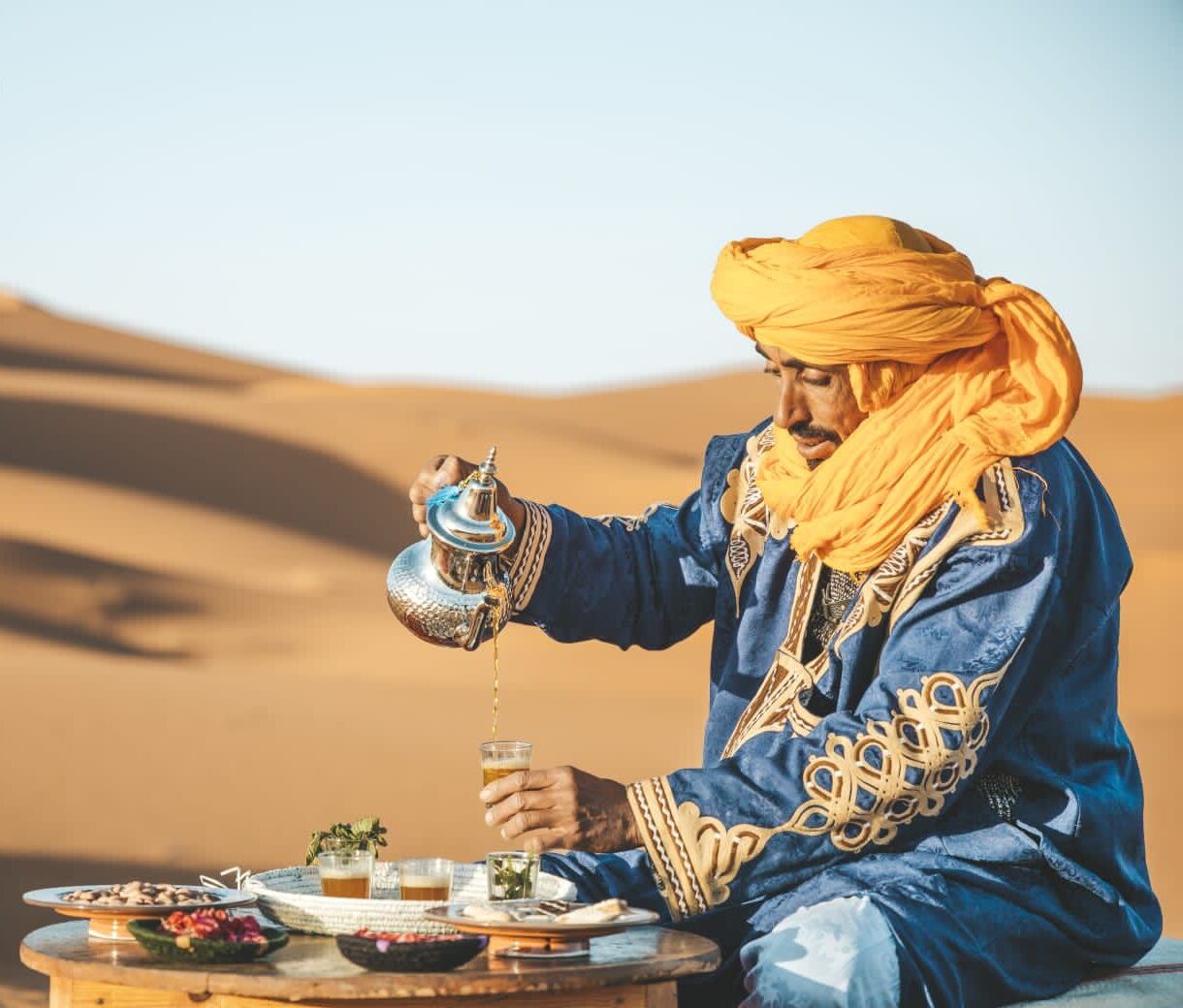
Merzouga Wild Camp: Off-the-Beaten-Path Desert Experiences
When most people imagine desert camping in Morocco, they envision crowded tourist camps with dozens of identical tents and choreographed camel rides. But if you're looking for something genuinely different—a place where the desert feels wild, authentic, and truly yours—Merzouga offers a different kind of magic entirely.
Nestled at the edge of Erg Chebbi, one of the Sahara's most dramatic sand seas, Merzouga has evolved from a quiet desert town into a destination that attracts travelers seeking real connection with the landscape and its people. The key to experiencing Merzouga authentically isn't about finding the biggest or fanciest camp—it's about finding a place that respects the desert, values sustainability, and prioritizes genuine cultural exchange over performative tourism.
This guide will help you navigate the world of Merzouga desert camping, understand what makes certain experiences truly off-the-beaten-path, and discover how to plan a desert adventure that feels authentic rather than orchestrated.
Understanding Merzouga's Desert Geography
Before diving into camp recommendations and experiences, it's worth understanding why Merzouga matters as a desert destination. The town sits at approximately 500 meters above sea level in southeastern Morocco's Tafilalt region, positioned at the gateway to Erg Chebbi—a massive dune field that rises nearly 150 meters at its highest points.
The Erg Chebbi Sand Sea
Erg Chebbi isn't your typical tourist dune field. Unlike the more accessible Erg Chebbi areas near larger towns, the deeper sections of this sand sea remain relatively untouched by mass tourism. The dunes here shift with the wind, creating an almost otherworldly landscape that changes daily. At sunrise, the sand glows in shades of gold and crimson. At sunset, the colors deepen to burnt orange and purple shadows. By night, the stars appear so numerous and bright that you'll question whether your eyes are deceiving you.
The sand formations create natural amphitheaters and valleys that amplify sound in unexpected ways. Camel bells echo differently than they would on flat terrain. Wind whispers through the dunes with a voice all its own. These subtle details are what make the experience of sleeping in the deep desert fundamentally different from what you'd experience at a town-based hotel.
The Human Landscape
Merzouga isn't just sand and silence. The region is home to several Berber communities who have maintained their traditions despite the encroaching modern world. Understanding this human element is crucial to appreciating why certain desert camps offer more authentic experiences than others.
The Ait Atta and Zenaidi Berber tribes have deep historical roots in this region. Their knowledge of desert navigation, water sources, and sustainable living practices spans centuries. When you stay at a camp like Original Desert Camp, which genuinely partners with local communities rather than simply employing them, you gain access to authentic stories and perspectives that transform your desert experience from a vacation into an exchange.
What Makes a Desert Camp "Wild"?
The term "wild camp" can mean different things to different travelers. Some interpret it as camping with minimal infrastructure—a tent, a fire, and nothing else. Others see it as camping in remote locations away from developed areas. The most meaningful interpretation, however, combines both elements with authentic local engagement and environmental responsibility.
Sustainability and Respect for the Desert Ecosystem
A truly wild camp experience requires that the camp operator respects the fragile desert ecosystem. This means:
Water management that doesn't strain local aquifers. The Sahara is one of the world's driest regions, and every drop of water is precious. Responsible camps source water sustainably and implement water conservation measures.
Waste management that leaves no trace. The romantic image of desert camping shouldn't include plastic bottles, food waste, and human waste scattered across pristine dunes. Proper camps use designated waste systems and encourage guests to minimize their environmental footprint.
Minimal light pollution that preserves the night sky. Part of what makes desert nights magical is the ability to see the Milky Way in its full glory. Camps that use dim, warm lighting or position lights strategically maintain this experience without compromising guest safety or comfort.
Respectful land use that doesn't damage fragile vegetation or require constant terrain modification. The desert supports more life than most people realize—hardy shrubs, insects, and small mammals all depend on undisturbed sand and soil patterns.
Authentic Cultural Integration
A wild camp experience should connect you meaningfully with local culture rather than present it as entertainment. This includes:
Employment and fair compensation for local staff. When you're paying for an experience, a portion of that should directly benefit the community hosting you. The best camps employ guides, cooks, and staff members from the local region and pay them fairly.
Genuine storytelling rather than rehearsed performances. While cultural performances can be lovely, there's a difference between a staged show and authentic conversation. The best camps facilitate real interaction—meals where stories flow naturally, guides who share personal knowledge rather than recited facts.
Support for local craftspeople and businesses. Does your camp buy supplies from local markets? Do they work with local artisans? Or do they bring everything in from outside? The former supports the community; the latter extracts wealth while leaving nothing behind.
Respect for local customs and traditions. This might mean avoiding photography without permission, understanding prayer times, or dressing appropriately for the cultural context.
Location and Access
True wild camp experiences typically involve some level of remoteness. However, "remote" doesn't necessarily mean inaccessible. The best camps balance:
Genuine remoteness that makes you feel genuinely away from urban bustle, yet Practical accessibility for guests with varying mobility levels and comfort requirements
Original Desert Camp, for instance, sits deep enough in Erg Chebbi that you experience genuine desert immersion, but the camp maintains sustainable infrastructure that makes the experience accessible to a wide range of travelers without compromising the "wild" feeling.
The Merzouga Wild Camp Experience: What to Expect
If you're considering a desert camp experience in Merzouga, understanding what you'll actually encounter helps set realistic expectations and allows you to prepare properly.
Accommodation Reality
A "wild camp" might sound like you're sleeping under stars on bare sand, but responsible camps provide more comfort than that suggests. At a quality Merzouga eco camp or desert camp, you'll typically find:
Berber tents (often called "jaimas") rather than sleeping bags on sand. These traditional-style tents are surprisingly comfortable, typically featuring thick rugs, cushions, and sturdy canvas construction. Original Desert Camp, for instance, features authentically designed tents that provide weather protection while maintaining the desert camping aesthetic.
Basic but adequate bedding including mattresses, blankets, and pillows. The goal is comfort without excess—you're camping in the desert, after all, not staying at a five-star resort.
Central facilities like a shared dining area, bathrooms (usually basic but clean), and perhaps a small reception area. These communal spaces are actually part of the authentic experience, as they're where guests and staff interact most naturally.
Heating in cooler months (November through March) through small stoves or heaters, as desert nights can drop below freezing.
Typical Daily Rhythms
Desert camps typically structure days around natural rhythms rather than rigid schedules:
Early morning often means waking before dawn for sunrise over the dunes. This isn't mandatory—some camps offer it as an optional activity—but most guests find it transformative. There's something about watching the sun break over Erg Chebbi, painting the sand in colors that don't seem real, that shifts your perspective.
Mid-morning might include breakfast (usually included with accommodation) featuring Moroccan staples like bread, jams, cheese, and strong coffee or mint tea.
Afternoon activities vary based on your preferences and the season. Camel trekking is the classic activity, but authentic camps also offer:
- Guided walks to explore dune formations and geology
- Photography sessions during golden hour
- Visits to nearby Berber villages to understand local life
- Workshops in bread-making, henna application, or traditional crafts
- Simply sitting with a book, journaling, or meditating in the profound silence
Evening brings the day's main meal—typically cooked fresh by camp staff using local ingredients. Dinners at quality camps like Original Desert Camp feature authentic Moroccan cuisine: tagines, couscous, fresh bread, and vegetables. These meals become social events where guests gather around a central table or fire.
Night activities might include stargazing, drumming around a fire (if culturally appropriate to the specific camp), or simply lying on the sand experiencing the night sky as humans have for millennia.
The Sensory Experience
People often underestimate how dramatically different the desert feels from anywhere else they've traveled. Mentally preparing for these sensory experiences helps you appreciate rather than resist them:
Sound - The desert isn't silent, contrary to popular belief. You'll hear wind, bells from camel saddles, voices of staff and other guests, and perhaps music. But the dominant impression is of acoustic space—sound carries differently when there are no buildings to bounce it off.
Smell - Desert air carries different scents than you're accustomed to. There's the smell of sand after wind, the aroma of cooking fires, incense, and the distinctive scent of camel and horse. None of it is unpleasant once you acclimate.
Temperature - This varies dramatically by season. Summer (June-August) can be scorching—regularly exceeding 45°C (113°F)—though the low humidity makes it more bearable than equivalent temperatures elsewhere. Winter (December-January) can drop surprisingly cold, especially at night. Spring and fall are ideal, with pleasant daytime temperatures and cool, comfortable nights.
Light - The starlight alone is remarkable. There's no light pollution this far from any town of significant size. You'll see the Milky Way as a true river of stars stretching across the sky, planets with visible detail, and satellite passages that look like slow-moving UFOs.
Choosing Your Merzouga Desert Camp Wisely
Not all camps are created equal, and choosing wisely makes an enormous difference in your experience.
Questions to Ask Before Booking
How long has the camp been operating? Established camps have refined their operations and typically maintain higher standards. However, newer camps aren't automatically worse—they might be implementing newer sustainability practices. What matters is their demonstrated commitment to quality and responsibility.
What's the camp's relationship with local communities? Do they employ local staff at fair wages? Do they source supplies locally? Do they support community projects? Legitimate camps are transparent about these practices.
What's included in the price? Understand exactly what meals, activities, and facilities are included versus what costs extra. Hidden costs are a red flag.
How many guests does the camp accommodate? Larger camps can start to feel touristy. Original Desert Camp, for example, maintains a purposefully small capacity to ensure intimate experiences and minimal environmental impact.
What's their environmental policy? Ask specifically about waste management, water sourcing, energy use, and land management practices.
What are actual guest reviews saying? Look beyond star ratings for specific comments about staff quality, food, cleanliness, and whether the experience matched expectations.
What's the cancellation policy? Flexibility becomes important when traveling to remote locations where weather or other factors might require changes.
The Value of Eco-Camp Certification
Some camps pursue formal eco-tourism or sustainability certifications. While certification doesn't guarantee perfection, it indicates the camp has met third-party standards and invites accountability.
Making the Most of Your Merzouga Experience
Once you've selected your camp and arrived at Erg Chebbi, several practices maximize your experience:
Embrace the Pace
One of the most valuable aspects of desert camping is the permission to slow down. There's nowhere to rush to. No deadlines. No emails. Allow yourself to sit with this pace rather than resisting it. Some of the most meaningful moments happen when you stop trying to optimize your experience and simply exist in the space.
Engage with Your Guides
Local guides have knowledge that goes far beyond what you'll find in guidebooks. Ask them questions. Learn their stories. Understand their perspective on the changes happening in their region. These conversations often become the most memorable part of the experience.
Practice Respectful Photography
Photography is wonderful, but consider occasionally putting the camera down. Ask permission before photographing people. Be mindful of sacred spaces. Seek candid moments rather than staged ones. Some of the best travel photos capture authentic moments rather than posed scenes.
Experience the Silence
Plan at least some time alone in the dunes without conversation or music. The Sahara's silence—if you actually allow yourself to experience it—can be profoundly transformative. It's in these quiet moments that many travelers find clarity, peace, or simply a deeper connection to the landscape and themselves.
Savor the Simplicity
Luxury at Original Desert Camp isn't about excess—it's about refinement. Appreciate the quality of a perfectly prepared tagine, the comfort of well-designed bedding under the stars, and the attentiveness of staff who anticipate your needs without intrusion. This is luxury that enhances rather than distracts from the desert experience.
Final Thoughts
A stay in Merzouga is ultimately an invitation to recalibrate your relationship with travel, comfort, and what truly matters. Original Desert Camp provides the perfect setting for this journey—combining authentic desert culture with thoughtful hospitality. Whether you're seeking adventure, solitude, spiritual renewal, or simply a break from the ordinary, the Sahara has a way of delivering exactly what you need, often in ways you didn't expect. The desert's wisdom is patient and generous; you need only arrive with an open heart.