
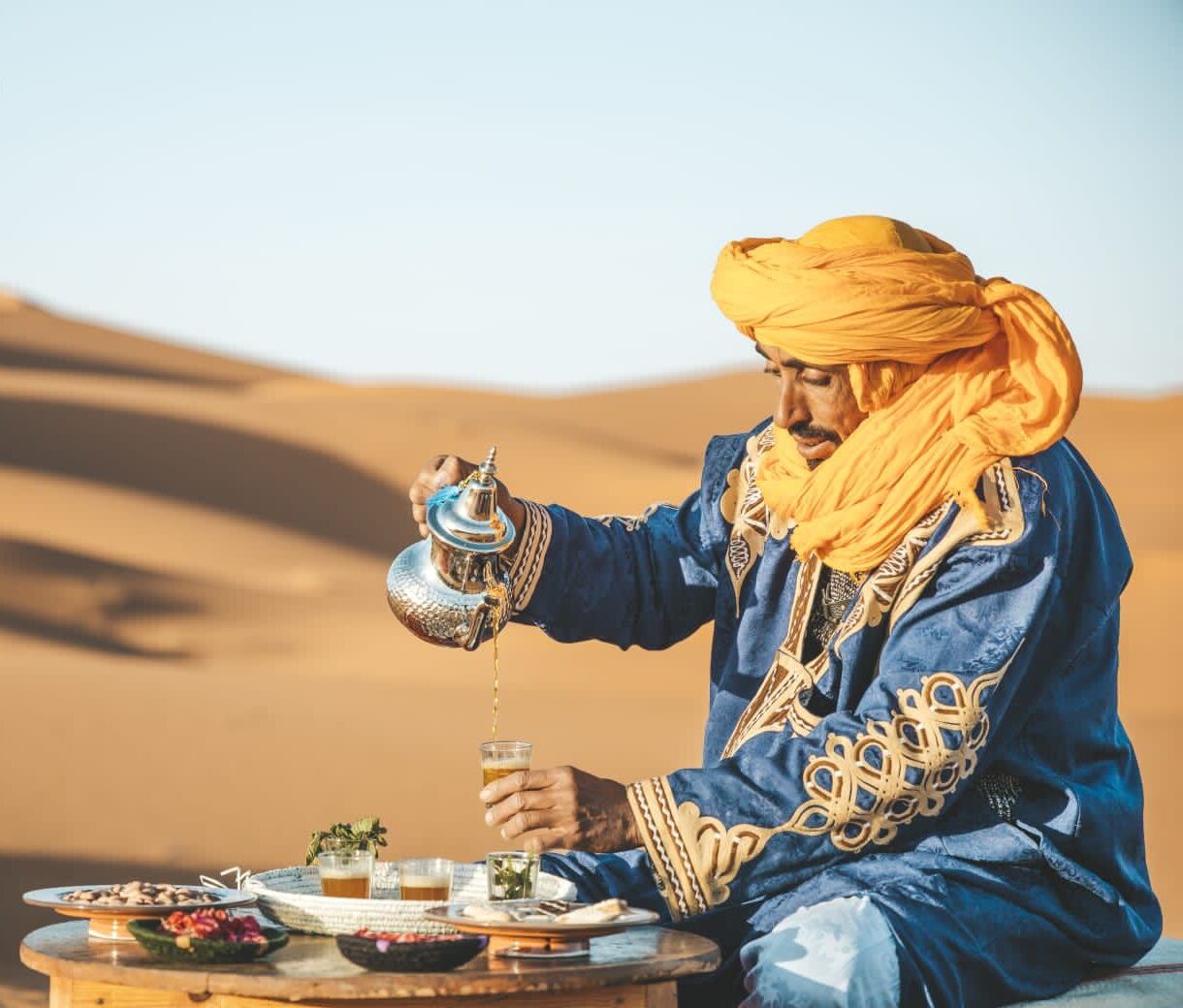
What to Pack for Sahara Desert: Ultimate Checklist
Packing for the Sahara Desert is different from packing for a city break in Marrakech or a coastal stay in Essaouira. The desert may look simple from a distance, but conditions can change quickly between hot afternoons, cool evenings, bright sun, wind, and sand. That is why the best Sahara Desert packing list is not about bringing more. It is about bringing the right things.
If you are planning a stay in Merzouga, a camel trek through Erg Chebbi, or a luxury night at Original Desert Camp, this guide will help you pack confidently. The goal is comfort, practicality, and flexibility. With the right clothing and a few essential accessories, your desert experience becomes easier, safer, and far more enjoyable.
Why Packing Well Matters in the Sahara
Many first-time desert travelers imagine only heat. While daytime temperatures can indeed be warm or very hot depending on the season, the Sahara is defined by contrast. Mornings can feel cool, nights can become cold, and wind can make the air feel sharper than expected. Sand gets into shoes, bags, and sometimes electronics. The sun is strong even when the weather feels mild.
Good packing helps you avoid common problems such as sunburn, dehydration, discomfort during camel rides, cold evenings, and carrying items you never use. A good desert packing list also lets you move more freely. You do not want to arrive in Merzouga with heavy, impractical luggage that makes transfers or short walks across the sand harder than they need to be.
The Best Clothes to Pack for the Sahara Desert
The ideal desert wardrobe is lightweight, breathable, and layer-friendly. Long sleeves are often better than sleeveless tops because they protect you from direct sun while still allowing airflow. Light cotton or linen shirts work well. Loose trousers, travel pants, or breathable leggings are usually more comfortable than shorts, especially if you plan to ride camels or walk in the dunes.
Bring at least one warm layer for the evening. A fleece, sweater, or light jacket is useful year-round, and in winter you may want something warmer. Desert nights surprise many travelers because the temperature drop can feel dramatic after sunset.
Neutral or lighter colors are often better for sun exposure and photography, though the most important factor is comfort. If you want practical style for the Sahara, think easy layers rather than fashion-heavy outfits that only work in photos.
Shoes for Merzouga and the Dunes
One of the most common questions is whether you need hiking boots. In most cases, the answer is no. Heavy boots can feel uncomfortable in the sand, and many travelers prefer lightweight trainers, closed walking shoes, or sandals for camp use. If you plan to climb dunes, shoes that stay secure on your feet are better than loose flip-flops.
For many activities, you may remove your shoes and walk barefoot on the sand, especially around camp or when conditions are comfortable. Still, it is smart to bring a pair of closed shoes for transfers, walking on mixed terrain, or cooler mornings.
The best approach is simple: one comfortable walking shoe and one easy camp sandal or slip-on shoe.
Desert Accessories You Should Not Forget
A scarf is one of the most useful things you can pack for the Sahara. It protects you from wind, sun, and blowing sand, and it can add warmth in the evening. Many travelers buy a local scarf in Morocco, which also makes a practical and meaningful souvenir.
Sunglasses are essential. The light reflecting off the sand can be intense, especially around midday. Choose a pair that feels secure and comfortable for outdoor activity.
A hat is also important. A wide-brimmed hat or a cap can help protect your face, scalp, and eyes. If you are sensitive to heat or planning long outdoor periods, this becomes even more important.
Lip balm and moisturizer are often overlooked, but dry air and wind can affect your skin quickly. A small bottle of hand cream or facial moisturizer is worth including.
Health and Comfort Essentials
The Sahara is not the place to improvise around hydration or sun protection. A high-SPF sunscreen is essential, and you should apply it regularly, especially on your face, neck, ears, and hands. A reusable water bottle is also highly recommended so you can keep drinking throughout the day.
If you take any medication, keep it in your day bag rather than packed deep inside your luggage. Include basic personal items such as tissues, hand sanitizer, pain relief tablets, and any digestive medication you usually travel with. Most desert stays are comfortable and well organized, but it is always wise to carry a small personal kit.
If you are prone to motion sickness, consider it for long road journeys to Merzouga. The route from cities like Marrakech or Fes can involve long hours, winding roads, and changing terrain.
What to Pack for a Luxury Desert Camp
If you are staying at a luxury Sahara desert camp such as Original Desert Camp, you do not need to pack as if you are going on a wilderness expedition. Comfortable camps provide bedding, meals, and the essentials for a pleasant stay. That means you can travel lighter than you might expect.
Still, personal comfort matters. Bring sleepwear appropriate for the season, a small toiletry bag, a power bank for charging devices, and a compact bag for your immediate overnight needs. Since larger luggage may be less convenient during transfers to camp, it is often useful to separate what you need for the desert night from what can remain in the main vehicle or suitcase.
A small flashlight or phone light is useful at night, even in a well-run camp. If you plan to take photos after sunset, a tripod can also help.
Electronics and Camera Gear
The Sahara is incredibly photogenic, so most travelers bring a phone, camera, or both. Make sure you have enough storage, a charger, and ideally a power bank. Sand and dust are part of the environment, so keep electronics in protective pouches or zipped compartments when not in use.
If you are bringing a camera with interchangeable lenses, be careful about changing lenses in windy conditions. If photography is important to you, sunrise and sunset offer the best light, while night photography can be excellent thanks to the low light pollution.
A portable battery is especially useful if you are filming, using maps, or taking many photos throughout the day. Even if your camp offers charging, backup power adds convenience.
Seasonal Packing Tips
Your Sahara Desert packing list should also reflect the time of year. In spring and autumn, layered clothing usually works best because days are pleasant and evenings are cool. In winter, you should add a warmer jacket, thicker socks, and sleepwear suitable for cold nights. In summer, lightweight breathable clothing becomes even more important, along with extra sun protection and a stronger focus on hydration.
Regardless of season, one rule stays the same: do not assume the desert is hot all the time. The balance between sun protection and evening warmth is what matters most.
What Not to Pack for the Desert
Overpacking is a common mistake. You do not need multiple heavy outfits, formal shoes, or bulky beauty products. Large hard-shell suitcases can be inconvenient if you are transferring to camp with only a smaller bag. Expensive jewelry is unnecessary, and delicate clothing that cannot handle sand or wind is usually more trouble than it is worth.
You also do not need to bring excessive food or drinks unless you have specific dietary needs. A good desert camp will provide meals and refreshments as part of the experience.
Avoid packing items that depend on perfect conditions. The desert is beautiful because it is natural, open, and unpredictable. Practical gear always wins.
Ultimate Sahara Desert Packing Checklist
Here is a practical checklist you can use before leaving for Merzouga:
- Passport and travel documents
- Cash for tips and small purchases
- Lightweight long-sleeve tops
- Breathable trousers or travel pants
- Warm layer for evening
- Comfortable walking shoes
- Sandals or slip-on shoes
- Scarf or shawl
- Sunglasses
- Hat or cap
- High-SPF sunscreen
- Lip balm and moisturizer
- Reusable water bottle
- Toiletries and personal medication
- Phone and charger
- Power bank
- Camera if desired
- Small overnight bag
- Sleepwear suitable for the season
- Tissues and hand sanitizer
This list covers the essentials without making you carry unnecessary weight.
Packing for Camel Trekking
If your Merzouga itinerary includes camel trekking, comfort becomes even more important. Wear trousers rather than short shorts, choose shoes that stay secure, and avoid carrying bulky items. A scarf, sunglasses, and sunscreen matter even more during camel rides because you will be directly exposed to sun and wind.
It is also wise to keep valuables in a small secure bag. Most camel rides are relaxed and scenic, but you will enjoy the experience more if you are not constantly adjusting awkward clothing or worrying about loose items.
Final Packing Advice for the Sahara Desert
The best Sahara Desert packing list is practical, not complicated. Focus on sun protection, layered comfort, breathable clothing, and a few simple accessories that help you adapt to changing conditions. Merzouga is not a place that demands technical gear. It rewards smart preparation.
When travelers pack well, they enjoy the desert more. They stay comfortable on camel rides, warm at night, protected during the day, and free to focus on the experience itself. That means more energy for watching the sunset, climbing dunes, enjoying dinner under the stars, and waking up early for one of the most beautiful sunrises in Morocco.
If you are preparing for your stay at Original Desert Camp, pack light, pack thoughtfully, and leave room for the desert to surprise you. The Sahara gives you enough to remember. Your bag only needs to support the journey.